
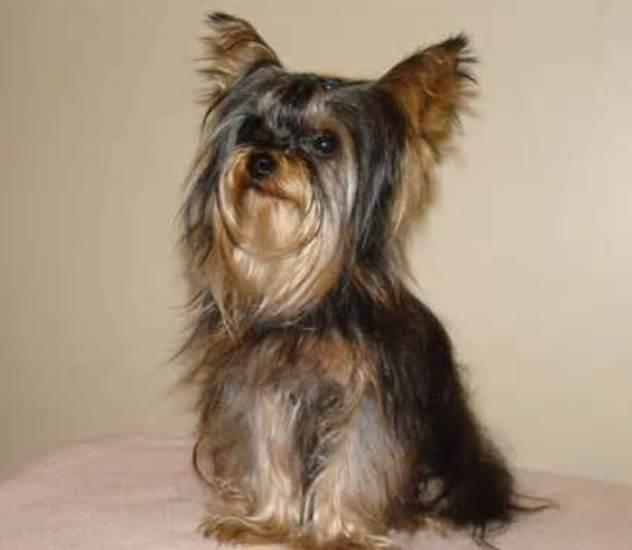
People usually look up Yorkshire Terriers when they’re weighing up a puppy, comparing “toy” breeds, or trying to make sense of everyday care: grooming, training, barking, teeth, and the small-but-real health risks that come with a tiny frame.
A Yorkie can be an easy fit for apartment life and a devoted companion, but they don’t run on autopilot. Their coat needs steady maintenance, their teeth need routine care, and their confidence can turn into noise or nuisance if training slips. Below is a clear, practical guide to what the breed is like, where it came from, and what good care looks like.
Breed name: Yorkshire Terrier
Size: Toy breed; breed standards set a maximum adult weight of 3.2 kg (7 lb) (many pets sit around 1.8–3.2 kg, but individuals vary)1, 2
Coat type: Long, straight, fine, silky texture (hair-like rather than a dense double coat)1
Coat colours: Dark steel blue with rich tan in the breed standard (pet dogs may be lighter/darker depending on genetics and clipping)1
Temperament: Bright, alert, confident; often affectionate with their people and lively in the home3
Typical lifespan: Often around 11–15+ years (individual variation is normal)4
Common health concerns: Dental disease risk (especially in small breeds), luxating patella, tracheal collapse5, 6, 7
Exercise needs: Moderate; daily walks plus play and short training games suit most adults3
Grooming needs: High if the coat is kept long; ongoing brushing and regular trimming help prevent matting1
Training needs: High; best results come from short, consistent sessions and early socialisation8
History and origin
The Yorkshire Terrier developed in 19th-century northern England, shaped by the small terriers kept by working families. These dogs were valued for dispatching rats in tight spaces, then later embraced as companions as the breed’s look became more refined.3
Today’s Yorkie still carries that terrier alertness—quick to notice movement, quick to investigate, and often quick to comment on it.
Physical characteristics
Size and build
Yorkshire Terriers are a toy breed. In breed standards, the adult weight is capped at 3.2 kg (7 lb).1, 2 Pet dogs do sometimes fall outside that, but very tiny “micro” sizes should be treated as a red flag rather than a selling point.
Coat and colour
The hallmark is a straight, glossy, fine coat that parts along the back when left long. In the Dogs Australia standard, colour is described as dark steel blue over the body with rich tan on the head, chest and legs.1 Because the coat behaves more like hair than a typical shedding coat, grooming is about tangles and breakage rather than seasonal blow-outs.
Temperament and behaviour
A well-bred, well-socialised Yorkie is lively and people-focused, with an alert terrier edge. They often enjoy being close to their humans, but they’re not always naturally “easy-going” with noise, visitors, or being handled roughly.3
Many Yorkies will sound the alarm at hallway footsteps or a bird landing on the balcony. That watchfulness can be useful, but it needs shaping early so it doesn’t become constant barking.
Children and other pets
Yorkies can live happily with children, but their size changes the risk profile. The main danger is accidental injury (a fall, a door, a clumsy lift), and fast, noisy play can overwhelm any dog.8
If you have young kids, aim for calm, structured contact:
- Keep supervision close and active. If you can’t supervise, separate dog and child.8
- Teach children to leave the dog alone when eating, sleeping, or retreating to a bed/crate.8
- Avoid chasing games and “carry the dog around” habits.
Training and exercise
Early training matters
Small dogs get away with things that would be corrected quickly in a larger dog—jumping up, nipping at socks, guarding laps, barking at the door. With Yorkies, those habits set like concrete unless you guide them early.8
What tends to work best
Keep sessions short and frequent. Reward what you want (quiet, four paws on the floor, checking in) and manage what you don’t want (too much freedom too soon). Terrier brains usually respond well to food rewards, tiny games of tug, and a cheerful voice, provided the rules stay consistent.
Exercise: small body, busy mind
Most adult Yorkies do well with a daily walk and play at home. Add a few minutes of training—sit, recall, loose lead, “leave it”—and they’re often calmer indoors afterwards.3
Health and lifespan
Dental disease: the quiet, common problem
Small breeds are over-represented in dental disease statistics, and Yorkshire Terriers sit among breeds with higher recorded prevalence in large veterinary datasets.5 Dental disease is not just “bad breath”; it can mean pain, infection, and costly procedures under anaesthetic.
Tracheal collapse
Tracheal collapse is seen most often in toy and miniature breeds. It commonly shows up as a dry, honking cough and can worsen with excitement, pulling on the lead, or excess weight.6 If your Yorkie coughs regularly, especially during walks or when picked up, it’s worth a veterinary check rather than assuming it’s “just a little cough”.
Luxating patella (kneecap slipping)
Luxating patella is a common orthopaedic issue in small dogs. You might notice a skip in the gait, a sudden yelp, or a brief “three-legged” hop that resolves quickly. A vet can grade severity and advise whether management, physiotherapy, or surgery is appropriate.7
Preventive care that makes a difference
- Dental care at home: regular tooth brushing is the most effective routine; your vet can show safe technique and recommend products.9
- Harness over collar: helps reduce pressure on the windpipe, especially for dogs prone to coughing.6
- Healthy body weight: reduces strain on joints and can help with airway conditions.6
- Routine check-ups: early detection matters with knees, teeth, and heart/lung issues.
Grooming and maintenance
Coat care
If you keep a Yorkie in a long coat, daily brushing is the reality, not the ideal. Fine hair tangles close to the skin, especially behind the ears, under the collar area, and in armpits. A shorter “pet clip” reduces the workload, but the coat still needs regular comb-throughs and scheduled trims to prevent matting.1
Bathing, ears and nails
Bathing frequency depends on lifestyle and coat length, but clean hair mats less. Keep ears and nails on a routine as well—small dogs often need more frequent nail trims because they don’t wear them down naturally on pavement.
Diet and nutrition
Choose a complete and balanced diet that matches your dog’s life stage. Yorkies are small, so a little over-feeding adds up quickly. If you’re using treats for training (often a good idea), reduce the meal portion so the daily intake stays steady.
Avoid toxic foods such as chocolate, grapes/raisins and onions, and speak to your vet before adding supplements—tiny dogs can be more sensitive to dosing errors.
Fun facts (without the myths)
- Breed standards set a maximum size, not a minimum. Marketing terms like “teacup” aren’t part of responsible breeding language, and deliberately breeding for extreme tiny size can increase health risks.10
- That famous Yorkie coat is meant to be straight and silky. When it’s woolly, wavy, or so heavy it affects movement, it’s considered a fault in the standard.1
Final thoughts
A Yorkshire Terrier suits people who enjoy a small dog with opinions: bright-eyed, quick on their feet, and closely tuned to the household. Give them structure, gentle handling, and routine grooming, and they usually return the favour with steady companionship and a lively presence that fills a room without taking up much space.
References
- Dogs Australia (ANKC) breed standard: Yorkshire Terrier
- The Kennel Club (UK) breed standard: Yorkshire Terrier
- American Kennel Club (AKC): Yorkshire Terrier breed information
- Cornell University College of Veterinary Medicine: Yorkshire Terrier (breed health information)
- Association of periodontal disease with breed size, breed, weight, and age in pure-bred client-owned dogs in the United States (Journal of Veterinary Dentistry, via ScienceDirect)
- Merck Veterinary Manual (Pet Owner): Tracheal collapse in dogs
- Veterinary Partner (VIN): Luxating patella in dogs
- Better Health Channel (Victoria): Animals and child safety
- WSAVA: Global Dental Guidelines
- Yorkshire Terrier Club of America: About Yorkies (notes on “teacup” terminology and size)

Veterinary Advisor, Veterinarian London Area, United Kingdom