
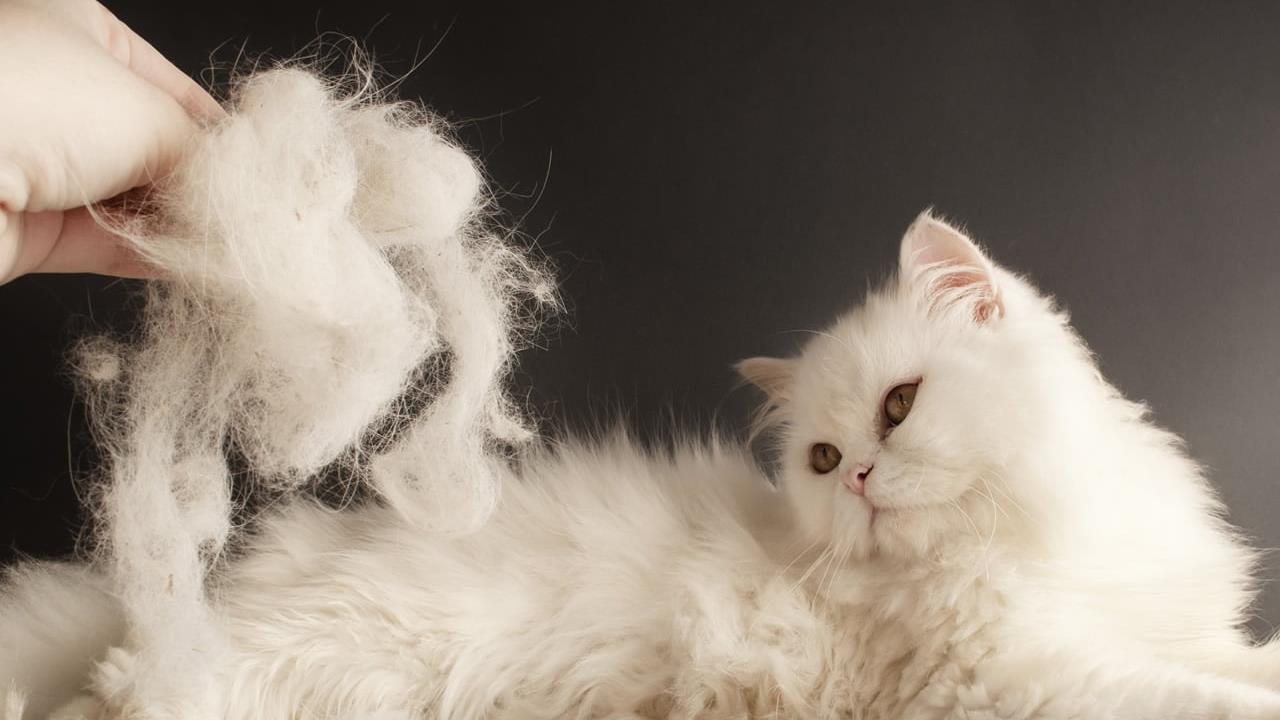
People usually land here for one of two reasons: they’re choosing between a short-haired and a long-haired cat, or they’re trying to work out whether the amount of fur on the couch is “normal”. Shedding isn’t just a cleaning issue. It can also be the first visible sign that a coat is tangling, a parasite has arrived, or a cat is overgrooming.
The practical answer is this: most cats shed, regardless of coat length, but long-haired cats usually make shedding feel bigger because the hairs are longer, they mat more easily, and loose fur gets caught in the coat until it’s brushed out.1, 2 The sections below break down what’s typical, what changes the shedding pattern, and when it’s time to call the vet.
Quick answer: which sheds less?
On average, short-haired cats tend to look like they shed less because the hairs are shorter and don’t tangle as easily, so you don’t get the same dramatic “tufts” and mats. But coat length alone doesn’t decide it. Undercoat thickness, seasonal coat change, indoor lighting, and health matter just as much.2, 3
A useful way to think about it:
- Short hair: often a steady sprinkle of short hairs on clothes and furniture; brushing is usually simpler.3
- Long hair: fewer individual hairs can still feel like “more” because each hair is longer, clumps together, and catches in the coat until grooming releases it.2, 4
Shedding in cats: what’s normal
Shedding is the coat’s routine housekeeping: old hairs fall out as new hairs grow in. Many cats have heavier shedding periods linked to seasons, and indoor cats can shed at lower levels year-round because their light and temperature stay fairly constant.2
If the coat is otherwise glossy, the skin looks calm, and your cat isn’t scratching or creating bald patches, shedding is usually just a normal part of living with a cat.5
What actually controls how much a cat sheds
Shedding is shaped by a few quiet, reliable forces:
- Coat type (not just length): many cats have both guard hairs and a softer undercoat; when undercoat loosens, shedding becomes more noticeable.2
- Season and lifestyle: cats in cooler climates, and cats that spend more time outdoors, may have more obvious seasonal sheds; indoor cats often shed more evenly across the year.2
- Grooming and coat condition: brushing removes loose hair before it ends up on the floor, and helps prevent tangles that trap shed fur in place.2, 3
- Skin disease, parasites, or allergies: these can turn “shedding” into true hair loss (alopecia), often with itch, overgrooming, redness, scabs, or broken hairs.6, 7, 8
Short-haired cats: what shedding usually looks like
Short-haired cats often leave fine hairs everywhere, but they’re less likely to develop knots and mats, so day-to-day coat care tends to be faster. Most do well with weekly brushing, with extra sessions during heavier shedding periods.3
Brushing also gives you a regular chance to spot early problems: flea dirt, scabs, dandruff, or areas of thinning that don’t match the usual seasonal change.3, 6
Long-haired cats: what shedding usually looks like
Long-haired cats don’t necessarily “produce” more hair, but their coats often hold onto loose fur until you brush it out. When that loosened undercoat finally comes free, it can arrive as soft clumps on the brush, carpet, and favourite sleeping spots.2
They also need more frequent grooming because long coats tangle easily, especially in high-friction areas like behind the ears, under the legs, around the chest, and near the back end. Left alone, tangles can tighten into mats that irritate the skin and are difficult to remove safely at home.2, 4
A clearer comparison: what matters most in a “low-shedding” cat
If you’re choosing a cat mainly to reduce visible fur at home, coat length is only one part of the picture. The most useful question is: how much loose undercoat does this individual cat carry, and how easily can you keep on top of grooming?2
In real homes, a long-haired cat with daily gentle brushing can leave less hair around than a short-haired cat that isn’t brushed at all.2, 3
How to manage shedding (without turning grooming into a battle)
Brush at the right frequency
- Long-haired and medium-haired cats: daily grooming is often recommended, especially through shedding seasons.3
- Short-haired cats: about once a week suits many cats, with extra brushing when you notice more loose coat.3
Use tools that match the coat
A gentle brush or grooming glove can suit many short-haired cats. Long-haired coats often need a comb as well, so you can reach through the outer coat and tease out tangles before they tighten.1, 3
Keep sessions short and calm
Start when your cat is already relaxed. A few seconds done daily is often better than a long session once a week. If your cat shows signs of stress (tensing, tail swishing, hissing, trying to leave), stop and try again later.1, 3
Be cautious with mats
If your cat has severe mats, it’s safest to speak with your vet or a professional groomer. Cutting mats out with scissors is risky because cat skin is thin and can be accidentally cut.1, 2
When shedding isn’t just shedding: health red flags
Book a veterinary check if you notice any of the following:
- bald patches, thinning in a distinct pattern, or broken hairs5, 6
- redness, scabs, crusting, or a new dandruffy look to the skin6, 7
- persistent scratching, licking, or overgrooming (cats can hide itchiness, so the hair loss may be the first obvious clue)6
- signs of fleas or flea allergy (even if you don’t see many fleas)7, 8
- a sudden change in shedding level that doesn’t settle over a few weeks5
Bottom line
If you want the simplest path to less-visible fur, a short-haired cat is often easier to manage day to day. But the “lowest shedding” household is usually created by routine brushing, good parasite control, and noticing early skin changes—regardless of whether the coat is short or long.2, 3, 5
References
- RSPCA Pet Insurance (Australia) — Grooming your cat: Here’s what you should be doing
- VCA Animal Hospitals — Grooming and coat care for your cat
- RSPCA Knowledgebase — How often do I need to groom my cat?
- VCA Animal Hospitals — How to groom a long-haired cat (removing mats)
- ASPCA — Cat grooming tips (shedding and when to see a vet)
- Merck Veterinary Manual (Cat Owners) — Hair loss (alopecia) in cats
- Merck Veterinary Manual (Professional) — Flea allergy dermatitis in dogs and cats
- Merck Veterinary Manual (Professional) — Feline atopic dermatitis

Veterinary Advisor, Veterinarian London Area, United Kingdom