
Burning when you do a wee, needing to go again five minutes later, urine that smells odd — urinary tract problems have a way of shrinking your day down to the nearest toilet. Sometimes it’s a simple bladder infection that clears quickly. Sometimes it’s a stone, a blockage, or an infection climbing towards the kidneys, where the consequences can be more serious.
The useful starting point is sorting out what kind of problem you’re dealing with, which symptoms matter most, and when it’s time to be seen urgently. The details below stick to what clinicians look for: likely causes, practical red flags, the tests that actually help, and what treatment usually involves.
What “urinary tract problems” usually means
The urinary tract includes the kidneys, ureters, bladder and urethra. Trouble can start anywhere along that path, but in everyday life the most common causes are:
- Urinary tract infections (UTIs) — most often a bladder infection (cystitis), sometimes a kidney infection (pyelonephritis).1
- Blockage or irritation — for example kidney stones, an enlarged prostate, or inflammation that makes the bladder “twitchy”.4
- Bladder emptying problems — anything that prevents full emptying can raise infection risk and worsen symptoms.4
Common causes (and why they happen)
Bacterial infection (UTI)
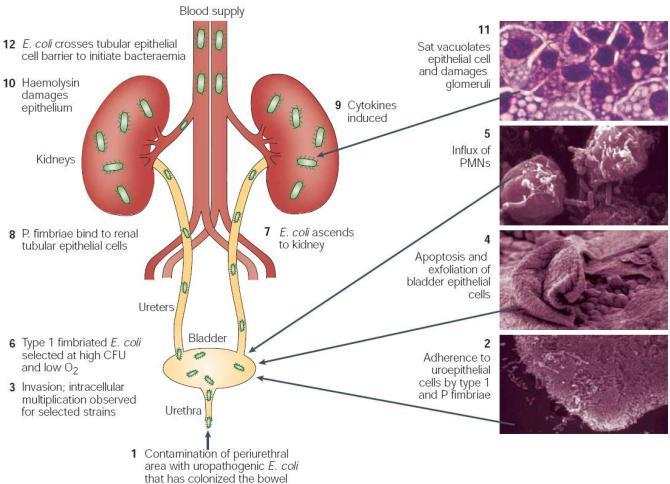
Most UTIs are caused by bacteria from the bowel (often Escherichia coli) getting into the urethra and bladder. Once established, the lining becomes inflamed and sensitive — the source of the burning, urgency and frequent small wees.1, 4
Stones, dehydration and blockage
Kidney stones can scrape and obstruct as they move, causing pain and sometimes blood in the urine, and they can also contribute to infection if urine flow is impaired.4
Dehydration doesn’t “cause” infection on its own, but concentrated urine can irritate the bladder and make symptoms feel worse. Good hydration also helps maintain urine flow, which is part of the body’s everyday housekeeping.1
Who is more at risk
UTIs are more common in women because the urethra is shorter and closer to the anus. Risk also rises with menopause, pregnancy, diabetes, urinary catheters, kidney stones, and anything that blocks urine flow (including an enlarged prostate).4
Symptoms: what to notice
Typical lower UTI (bladder) symptoms
- Burning or stinging when urinating
- Needing to urinate often, passing small amounts
- Urgency (the sudden feeling you must go now)
- Cloudy or smelly urine
- Lower abdominal discomfort or pelvic pain
- Blood in the urine (sometimes visible, sometimes only on testing)1
Symptoms that suggest the infection may have reached the kidneys
Kidney infections tend to announce themselves more loudly. Look for:
- Fever (often with chills)
- Pain in the back or side (flank pain)
- Nausea or vomiting
- Feeling systemically unwell, not just “irritated bladder”2, 3
Differences in symptoms between men and women
The core symptoms overlap, but UTIs in men are less common and can be linked with prostate involvement or blockage. Any UTI-like symptoms in men deserve medical review, rather than repeated self-treatment, to check for an underlying cause (such as an enlarged prostate, stone, or prostatitis).4
When to seek medical care
Arrange urgent care (same day) if you have any of the following:
- Fever, chills, flank pain, or vomiting (possible kidney infection)
- Blood in the urine
- Severe pain (especially colicky pain that comes in waves, which can suggest a stone)
- Pregnancy, or symptoms in a child
- Symptoms plus significant comorbidities (for example diabetes, immunosuppression) or a urinary catheter
- Inability to pass urine, or new weakness/confusion in an older person1, 2
If symptoms are mild but persistent, or if they return soon after treatment, a proper assessment and urine testing helps avoid missing a resistant infection or a non-infectious cause.1
Diagnosis and testing
Clinicians usually start with your symptom story, any past UTIs, pregnancy status, medications, and whether you have risk factors for complicated infection (such as stones or urinary retention). A urine sample is central — it’s quick, and it changes management.1
Common tests
- Urinalysis (dipstick and/or microscopy): Looks for markers that support infection and checks for blood.
- Urine culture: Identifies the bacteria and which antibiotics are likely to work — particularly important for recurrent UTIs, severe illness, pregnancy, or symptoms that don’t settle.
- Imaging (ultrasound or CT): Considered when stones, obstruction, or kidney involvement is suspected, or when symptoms are atypical or persistent.
- Cystoscopy: Used selectively, usually when there’s recurrent unexplained blood in the urine, suspected structural problems, or other concerning features (it’s not a routine test for an uncomplicated UTI).1
Treatment options
Antibiotics and symptom relief
Bacterial UTIs are treated with antibiotics, chosen based on your situation and, when needed, culture results. People who are very unwell, or who have a kidney infection, may need hospital treatment (including intravenous antibiotics and fluids).1, 2
Pain relief can help while treatment takes effect. Some people also notice that avoiding bladder irritants (like alcohol and caffeine) reduces urgency and burning while the lining is inflamed.1
Hydration and “home remedies” (what’s realistic)
Drinking enough water can help by supporting urine flow, but it doesn’t replace antibiotics when a bacterial infection is established.1
Cranberry products sit in a narrow lane: there is evidence they can reduce the risk of recurrent symptomatic, culture-verified UTIs in some groups (especially women with recurrent UTIs), but they are not a proven treatment for an active UTI, and product dosing varies widely.5, 6
Surgery and procedures
Procedures are reserved for specific causes — for example removing or breaking up stones, relieving obstruction, or addressing structural problems that keep infections returning. The goal is simple: restore unimpeded urine flow and reduce the conditions that let bacteria persist.4
Prevention strategies (especially for recurrent UTIs)
Not every UTI is preventable, but recurrence often improves with a few steady habits:
- Hydration: drink regularly so urine stays pale yellow most of the time (unless your clinician has advised fluid restriction).1
- Toilet habits: don’t routinely “hold on” for long periods; empty the bladder when you need to.
- Hygiene: wipe front to back to reduce transfer of bowel bacteria to the urethral area.1
- Targeted prevention for frequent UTIs: discuss options with a GP — this may include investigation for triggers (for example menopause-related changes, stones, incomplete emptying) and, in some cases, medical prevention strategies.1, 4
If you’re considering cranberry tablets or juice for prevention, treat it as an adjunct, not a guarantee. The evidence is strongest for prevention in women with recurrent UTIs, and weaker or absent for other groups.5
Complications and long-term effects
An untreated bladder infection can ascend to the kidneys. Kidney infections are more likely to cause systemic illness and, in severe cases, may lead to serious complications including sepsis; they can also leave lasting kidney damage, particularly when care is delayed.2, 3
Recurrent symptoms also carry a quieter cost: sleep disruption, anxiety around travel and work, and repeated antibiotic exposure. When UTIs keep returning, it’s worth slowing down and checking for contributing factors rather than cycling through one short course after another.1, 4
Final thoughts
Most urinary tract problems follow a recognisable pattern: irritation, urgency, burning, sometimes pain. The important fork in the track is whether this is a straightforward lower UTI, a kidney infection, or a non-infectious cause like stones or obstruction. If fever, flank pain, vomiting, blood in the urine, pregnancy, or symptoms in a child are in the picture, it’s time for timely medical care.1, 2
References
- healthdirect (Australian Government): Urinary tract infection (UTI) — symptoms, diagnosis, treatment and prevention
- healthdirect (Australian Government): Kidney infection (pyelonephritis)
- Mayo Clinic: Kidney infection — symptoms, causes and complications
- MedlinePlus Medical Encyclopedia (U.S. National Library of Medicine): Urinary tract infection — adults
- Cochrane (10 Nov 2023): Cranberries for preventing urinary tract infections
- Cochrane: Evidence update on cranberries for treating urinary tract infections

Veterinary Advisor, Veterinarian London Area, United Kingdom