
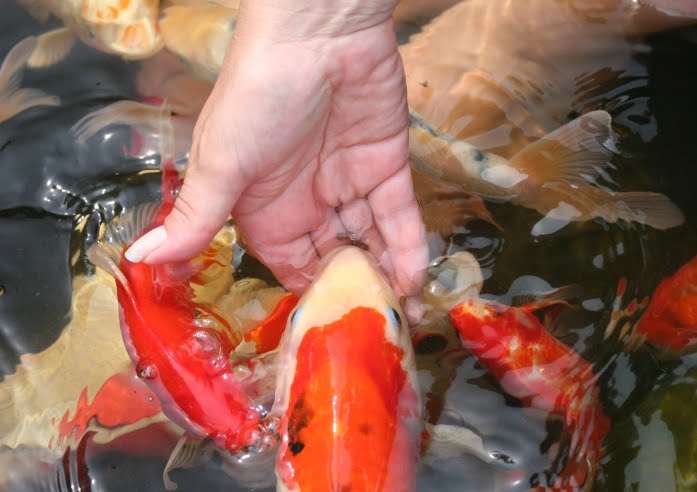
Most fish health problems in home aquariums start the same quiet way: a well-meaning feed that’s too much, too often, or not quite right for the species. The water clouds, waste builds, and fish that were active yesterday begin to hang back, breathe harder, or lose their colour.
Good fish nutrition is less about “finding the best food” and more about matching diet to natural feeding style, portioning so nothing rots in the tank, and watching the fish and the water for early hints that something is drifting off course.1, 2
What fish need from a diet
Fish don’t need complicated menus, but they do need consistent building blocks: protein for growth and tissue repair, fats for energy and cell function, and a spread of vitamins and minerals for normal metabolism and immune function. In practice, a quality species-appropriate pellet or flake is often the base, then small, sensible supplements that fit the species.3, 6
The hard part is that precise nutritional requirements are known for only a limited number of fish species. That’s why copying a diet from a “similar-looking” fish can backfire, and why variety (within what the species can digest) matters more than novelty.3
Herbivores, carnivores and omnivores (the useful shortcut)
Before you worry about brands, place the fish into a broad feeding group:
- Herbivores and grazers need more plant material and fibre than meat-eaters. Many do best with herbivore pellets plus vegetable matter or algae-based foods.6
- Carnivores generally need higher protein and fat, supplied by appropriate pellets and/or suitable frozen foods (for example, artemia/brine shrimp).6
- Omnivores sit between the two and usually cope well with a quality staple diet plus modest, species-appropriate extras.
Types of fish food (and when each makes sense)
Flakes
Flakes are convenient and work well for many small community fish that feed near the surface. Their weakness is practical: they can crumble, drift into filters, and encourage overfeeding when a “pinch” becomes a habit.
Pellets (often the better staple)
Pellets tend to be more controlled for portioning, and can be chosen to float or sink depending on where your fish feed. The key detail is to avoid letting pellets dissolve in the water before they’re eaten, because that turns dinner into pollution.6
Frozen and live foods
Frozen foods can be a useful supplement, especially for fish that naturally hunt small invertebrates. Live foods can also be effective, but they carry extra risk: if the source is poor, you can import parasites or disease into a closed system. Use reputable suppliers and keep it occasional unless you have a specific reason to rely on it.
Homemade fish food
Homemade food can help in niche situations (difficult-to-feed species, conditioning broodstock, medicated feeds), but it’s easy to drift into unbalanced recipes or messy mixes that foul the tank. If you go down this path, follow established guidance rather than improvising.7
Feeding practices that protect fish and water
Aquarium fish live where they eat and where they excrete. Any excess feed becomes waste in the same small volume of water. That’s why feeding practice is as much water management as it is nutrition.1, 2
How much to feed (the simplest reliable rule)
For many aquariums, a good starting point is:
- Once daily feeding for fish kept at a stable temperature, offering only what they will consume in about two to three minutes.1
- Remove uneaten food promptly (skim or siphon), especially if it reaches the bottom.1
Adjust from there based on species, life stage, temperature, and body condition. A fish that is steadily gaining mass, producing lots of waste, or leaving food behind is already telling you the ration is too generous.
Overfeeding: what it looks like
In an aquarium, overfeeding is often visible before fish look unwell:
- Food drifting into corners or sitting on the substrate after feeding time
- Cloudy water or a greasy surface film
- Snails and algae suddenly booming because there’s extra nutrient in the system
As leftover food breaks down, it contributes to waste that can drive ammonia problems. Ammonia is a major waste product of protein metabolism, and higher feeding rates generally mean more ammonia production in the system.2, 5
Underfeeding: what to watch for
Underfeeding is quieter. You may see:
- Loss of body condition (the fish looks “pinched” behind the head or along the belly line)
- Slowed growth in juveniles
- Less interest in food over time (sometimes a sign of stress or illness rather than true lack of feed)
Species notes: goldfish, bettas and cichlids
Goldfish
Goldfish are hardy omnivores, but their digestive tract is tuned to frequent foraging rather than heavy meals. A good approach is a quality pellet as the staple, fed in small portions, with plant matter used thoughtfully for fibre where appropriate.6
Goldfish are also famous for water-quality trouble caused by overfeeding. If you see persistent leftover food or rising ammonia, the quickest relief is often simply feeding less while you correct the underlying husbandry.5
Bettas
Bettas are primarily carnivorous/insectivorous feeders in the wild, so they generally do better on a protein-forward staple with occasional frozen foods (in small amounts). Portion control matters, because excess feeding contributes to water spoilage and can trigger digestive issues in captive fish.3, 6
Cichlids
“Cichlid” covers everything from algae grazers to predatory hunters. Feeding them as a single group is where problems begin. Match the diet to the species’ natural feeding style (herbivore pellets for grazers; higher-protein foods for predators), and keep portions tight so dissolved feed does not become nutrient load.6
Common nutritional problems (and what they can look like)
Nutritional issues in aquarium fish are often gradual and can overlap with water-quality stress. Signs that can be consistent with an inadequate or unbalanced diet include poor growth, deformities, reduced disease resistance, and fatty change in the liver (hepatic lipidosis). Vitamin C deficiency is classically linked with spinal deformity sometimes described as “broken back”, and iodine deficiency can be associated with thyroid enlargement in some fish groups.3
If you suspect diet is part of the problem, correct gently: improve the staple food first, add variety that fits the species, and avoid sudden “big fixes” that simply add more food to the system.
Do supplements help?
Sometimes. In well-made commercial diets, vitamins are typically included, but stored feed can degrade over time, and niche species may have needs that aren’t met by a generic flake. Where supplementation is appropriate, vitamin C is commonly stabilised in feeds because fish require dietary ascorbic acid.3, 6
Supplements should support a balanced diet, not mask overfeeding or poor water quality.
Water quality and nutrition: the tight loop
Water quality doesn’t just “sit in the background”. It shapes appetite, digestion and how well fish cope with daily life. Toxic ammonia (the unionised form, NH3) is influenced by pH and temperature, and elevated levels can damage gills, reduce feeding, slow growth and increase susceptibility to disease.5
Overfeeding is one of the simplest ways to push an aquarium towards ammonia trouble: uneaten food decomposes, and higher feeding rates increase nitrogen waste entering the system.1, 5
Quick checks to keep conditions steady
- Test for ammonia, nitrite and nitrate regularly, especially after changes to feeding or stocking.4
- Keep to routine water changes and good filtration; don’t rely on “clean-up crews” to solve excess feeding.2, 4
- If fish suddenly go off their food, treat it as a water-quality warning until proven otherwise.5
Final thoughts
Fish nutrition looks simple on the surface—flakes in, fish out—but the real craft is restraint. A stable staple diet, species-appropriate extras, and feeding that leaves nothing to rot will keep both fish and water in the same calm balance.
When things go wrong, start with the quiet fixes: reduce feeding, remove leftovers, check ammonia and nitrite, and only then reach for supplements or special foods.1, 4, 5
References
- RSPCA Victoria — Fish: feeding and basic care
- Agriculture Victoria (Animal Welfare Victoria) — Caring for your pet fish
- Merck Veterinary Manual — Nutritional diseases of fish
- RSPCA NSW — Caring for fish (water quality and testing)
- NSW Department of Primary Industries — Monitoring ammonia
- Merck Veterinary Manual — Nutrition in fish
- University of Florida IFAS Extension (EDIS) — Preparing Your Own Fish Feeds
- University of Florida IFAS Extension — Water gardens (fish and feeding notes)

Veterinary Advisor, Veterinarian London Area, United Kingdom