
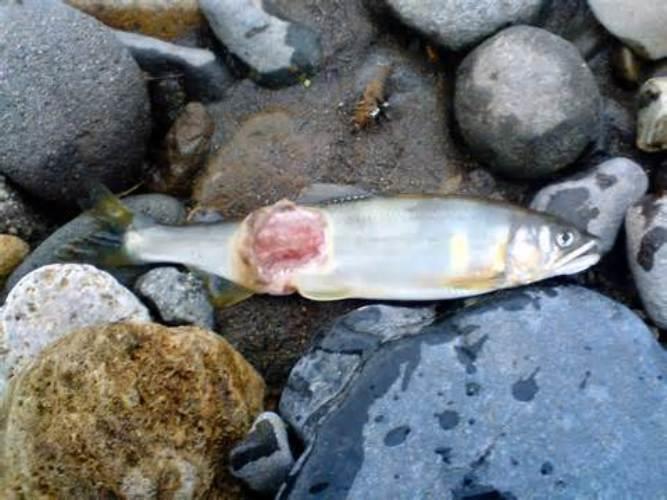
Most fish don’t “just get sick” out of nowhere. In home aquariums, bacterial problems usually show up after something small shifts—water quality slips, a new fish arrives carrying bacteria, a fin gets torn in a scuffle, or the tank runs a little too warm and low in oxygen.
The sooner you spot the pattern, the better the outcome. The signs can look like fungus, parasites, or simple wear-and-tear, so the practical aim is to recognise the common bacterial syndromes, stabilise the environment first, and only then reach for medication when it’s truly warranted.1, 2
What “bacterial disease” means in an aquarium
Bacteria are always present in tanks—on surfaces, in filter media, in biofilms. Problems tend to start when fish are stressed (by poor water quality, crowding, transport, aggression, or sudden temperature swings) and their skin and gills lose their usual protective edge. Opportunistic bacteria then move in, often causing external sores, fin damage, gill irritation, or internal infection.1
In dense populations—whether in aquaculture ponds or crowded home tanks—outbreaks can move fast, especially when organic waste is high and oxygen is low.1
Common bacterial problems (and what they usually look like)
Columnaris (Flavobacterium columnare)
Columnaris is a common, fast-moving freshwater bacterial disease. It often presents as pale grey or white patches that can look “cottony”, plus mouth erosion, saddle-like patches across the back, fraying fins, and gill involvement (rapid breathing, surface-gasping). It’s frequently mistaken for a fungal infection because of its texture and colour.1, 3
It tends to flare in warm, stressed systems and can spread via contact, contaminated water, and shared nets or siphons. Early action matters because some cases progress quickly once gills are involved.1, 3
Fin rot (usually opportunistic bacterial infection)
“Fin rot” is a description, not a single germ. Fins fray, split, or recede; edges may look milky or inflamed. Often it starts after physical damage (nipping, sharp décor) and becomes worse when water quality is poor, organic waste is high, or fish are chronically stressed.1
If the body is also reddening, ulcerating, or bleeding under the skin, it may be progressing beyond fin damage into a more general bacterial syndrome (septicaemia), which needs faster escalation and, ideally, veterinary input.1
“Dropsy” (a sign: swelling and raised scales)
Dropsy is not a diagnosis on its own. It’s a visible sign—fluid build-up (ascites) that may cause the belly to swell and the scales to lift outward (“pineconing”). It can occur with serious internal bacterial disease, but also with other conditions affecting organs such as kidney or liver.1
Because it often reflects advanced internal illness, the prognosis can be guarded. Focus on rapid triage: isolate the fish, correct water quality, and seek veterinary guidance where possible.1
How bacterial disease gets into (and around) a tank
Bacteria spread through water, biofilms, and shared equipment. New fish are a common entry point, but plants, live food, nets, siphons, and even your wet hands can carry organisms between systems. Once established, bacteria are more likely to cause disease when predisposing stressors pile up: elevated ammonia or nitrite, chronic high nitrate, low dissolved oxygen, overcrowding, persistent aggression, or rapid temperature change.1, 3
Quick symptom guide: what to watch for
- Skin changes: pale patches, grey film, ulcers, reddened sores, missing scales, haemorrhage under the skin.1
- Fins: fraying edges, splits that worsen day by day, fin bases turning red or ulcerating.1
- Gills and breathing: rapid breathing, one-sided gill movement, surface-gasping (especially concerning with suspected columnaris).1, 3
- Behaviour: hiding, reduced feeding, clamped fins, loss of balance, abnormal buoyancy, sitting in flow or at the surface.1
- Body shape: swelling, “pineconing” scales (dropsy/ascites), or unexplained wasting over weeks (consider chronic infections such as mycobacteria).1
Diagnosis: what you can do at home (and when to escalate)
At home, diagnosis starts with careful observation plus water testing. Check ammonia, nitrite, nitrate, pH, and temperature, and look for recent triggers: a new arrival, missed maintenance, overfeeding, filter disruption, bullying, or heater failure.1
For valuable fish, recurring losses, or fast-moving outbreaks, proper diagnosis is culture and identification of the organism, ideally with antimicrobial sensitivity testing before antibiotic use. Aquatic vets and fish health labs can also assess skin/gill samples under microscopy to narrow down likely causes.1
Treatment priorities (what tends to work in the real world)
1) Stabilise the environment first
For most bacterial outbreaks, the fastest improvement comes from removing the conditions that let the bacteria win:
- Do measured water changes and siphon out detritus (avoid “deep cleans” that crash filtration).
- Increase aeration and surface agitation—sick fish often struggle most when oxygen is marginal.1, 3
- Reduce aggression and crowding; remove sharp décor that causes repeated injuries.1
- Isolate affected fish in a hospital tank where possible, to slow spread and protect plants/invertebrates.
2) Use antibiotics carefully (and not as a default)
Antibiotics can be appropriate when fish are actively dying, ulcers are progressing, or internal infection is suspected—but they should not be used casually. In both aquaculture and veterinary guidance, the emphasis is on prevention, correct diagnosis, and responsible antimicrobial use to reduce antimicrobial resistance (AMR).4, 5
Where treatment is needed, the ideal is veterinary-directed therapy based on culture and sensitivity testing. This is more precise, reduces failed treatments, and helps limit unnecessary exposure of your tank’s bacteria to antibiotics.1, 5
3) Know when to stop guessing
Seek professional help (aquatic vet, experienced fish health service, or laboratory) if:
- fish are dying within 24–72 hours despite water quality corrections
- gills are involved (rapid breathing, gasping) and lesions are spreading3
- you see “pineconing” scales or repeated cases of abdominal swelling1
- ulcers deepen or multiply, or you suspect a notifiable or unusual disease in a farm setting (follow your local biosecurity guidance).6
Prevention that holds up over time
Water quality, kept steady
Stable, well-oxygenated water is the quiet engine room of disease prevention. Most bacterial pathogens become far more damaging when fish are stressed by poor water quality and heavy organic loading.1
Quarantine and hygiene
Quarantine new fish before they enter the main tank, and avoid sharing wet equipment between tanks without cleaning and drying/disinfection. This one habit prevents a large share of “mystery” outbreaks that otherwise arrive silently and bloom a week later.3
Stress reduction that actually matters
- Keep stocking sensible for your filtration and maintenance routine.
- Match species for temperament and temperature range.
- Provide cover and line-of-sight breaks to limit harassment.
- Feed a consistent, appropriate diet; remove uneaten food before it rots.
Notes for aquaculture and fisheries
In commercial systems, bacterial disease has clear economic costs (mortality, reduced growth, treatment costs) and can create broader risks when antimicrobials are overused. Current international guidance places “good practice” husbandry, biosecurity planning, vaccination where available, and improved diagnostics ahead of routine antibiotic use.4, 5, 6
Final thoughts
Bacterial disease in fish is rarely a single dramatic event. More often it’s a slow shift in conditions until the balance tips—then the symptoms arrive all at once. If you keep the water steady, quarantine new arrivals, and respond early to small wounds and behavioural changes, most outbreaks never get the chance to take hold.1, 3
References
- Merck Veterinary Manual (Professional) — Bacterial Diseases of Fish
- NSW Department of Primary Industries — Aquatic animal disease and human health
- Tree of Life Exotic Pet Medical Center — Columnaris disease (Flavobacterium columnare infection)
- Food and Agriculture Organization of the United Nations (FAO) — Fishery and aquaculture: Antimicrobial resistance
- FAO — The State of World Fisheries and Aquaculture: Antibiotic residues in aquaculture products
- Business Queensland — Prevent and manage disease in aquaculture farms
- MDPI Fishes — Antibiotic Residues in Cultured Fish: Implications for Food Safety and Regulatory Concerns
- NSW Department of Primary Industries — Red spot disease (EUS) (note: secondary bacterial infections can occur)

Veterinary Advisor, Veterinarian London Area, United Kingdom