
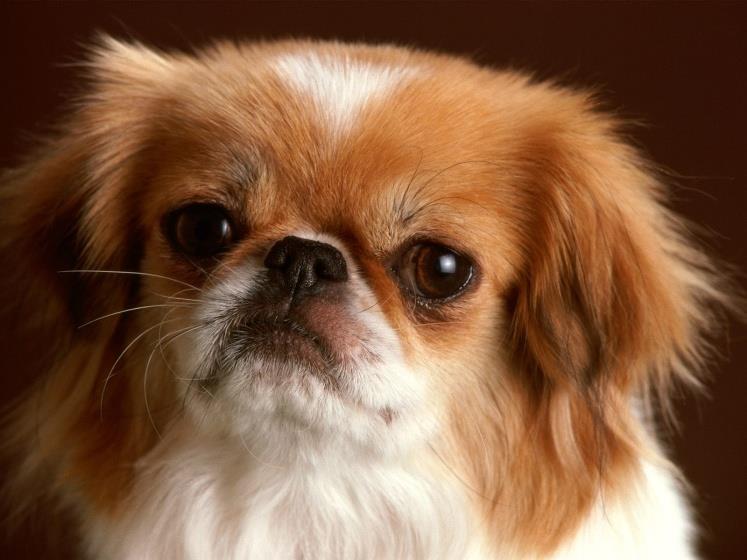
People usually start looking up Tibetan Spaniels when they’re weighing up a small companion dog: one that can live happily in a unit, cope with daily life without constant high-intensity exercise, and still feel like a proper dog—alert, bright, and present.
The details matter. Coat care, common health risks, and that famously independent streak can make the difference between a relaxed household and years of low-grade frustration. Here’s a clear, grounded look at what Tibetan Spaniels are like to live with, what they tend to need, and what to watch for.
Tibetan Spaniel at a glance
Height: About 25 cm at the withers (adult)1
Ideal weight: About 4.1–6.8 kg (adult)1
Coat: Double coat; silky, medium length; feathering on ears, legs and tail; bitches often carry less mane than dogs1
Colour: All colours and mixtures permitted (merle not permitted under the Australian standard)1
Temperament: Active, alert, intelligent; typically aloof with strangers; can be “chatty” (vocal)1, 2
Exercise: Moderate; up to about an hour a day suits many adults2
Typical lifespan: Often 12+ years; commonly 12–15 years quoted2, 3
What a Tibetan Spaniel is really like
A Tibetan Spaniel is small, light on their feet, and watchful. They tend to choose a vantage point—on the back of the sofa, at the window, perched on a chair—quietly taking in the house and what moves beyond it. The breed standard describes them as “active and alert”, “highly intelligent”, and often “aloof with strangers”.1
That independence can read as “cat-like”. It’s less about being stubborn for the sake of it, and more about a dog that notices everything and makes their own decisions unless you’ve made cooperation worth their while.
Good fit households
- Homes that want a small companion dog with real alertness (they often bark at novelty).2
- People who enjoy gentle, consistent training rather than forceful handling.
- Households prepared for regular grooming and routine health checks.
When they can be a poor match
- If you need a dog who ignores visitors, hallway noise, and every passing sound.
- If you want a dog who happily obeys first time, every time, without reinforcement.
- If no-one has time for coat maintenance (especially through seasonal shedding).
History and origin (in brief, without the romance)
Tibetan Spaniels were kept as companions and watchdogs in Tibetan monasteries, often alongside other Tibetan breeds. The “spaniel” name came from early European visitors who thought the little dogs resembled toy spaniels, and the name stuck as the breed became established in the UK in the late Victorian period (then more widely after World War II).2
Physical characteristics
They’re slightly longer than they are tall, with a plumed tail carried over the back when moving and a distinctive ruff—often more pronounced in males. The coat is a true double coat: soft undercoat, with a silky topcoat that lies fairly flat over the body rather than standing off it.1
One useful detail if you’re comparing breeds: Australian breed standards list Tibetan Spaniels in Group 1 (Toys).1
Training and exercise needs
Tibetan Spaniels often learn quickly, but they do best with a light touch. Short sessions. Clear cues. Real rewards. When training drifts into repetition or pressure, many simply switch off.
Early socialisation: timing matters
Puppies go through a critical socialisation window roughly between 3 and 17 weeks of age. What they safely experience in that period—people, surfaces, noises, handling, friendly dogs—shapes how they cope with the world as adults.4
- Keep exposures gentle and positive, and avoid overwhelming them.4
- Reward-based training is recommended (and tends to suit this breed’s sensitivity).5
Exercise: moderate, steady, and a bit curious
Many Tibetan Spaniels are content with daily walks and a little indoor play, with exercise needs often described as up to about an hour a day for adults.2 What they usually enjoy most is variety: new sniffing routes, short training games, and puzzle-style activities that make them think.
Health and lifespan
No breed is “problem free”, and Tibetan Spaniels are no exception. The most often-mentioned concerns include kneecap issues (patellar luxation) and inherited eye disease such as progressive retinal atrophy (PRA).3, 6
Patellar luxation (kneecaps that slip)
Patellar luxation is common across many toy and small breeds. Signs can look odd but fleeting: a skipping step, a brief three-legged run, then normal movement again. Severity is graded, and management ranges from monitoring to surgery depending on discomfort and function.6
Progressive retinal atrophy (PRA) and other eye problems
PRA is an inherited condition where the retina gradually degenerates, often beginning with night vision changes and potentially progressing to blindness. Screening programs exist in some countries and breed communities, and it’s worth discussing eye health history when choosing a breeder or rescue dog.3, 7
Short-muzzled (brachycephalic) features
Some Tibetan Spaniels have relatively short muzzles, and brachycephalic conformation in dogs is associated with risks such as breathing obstruction, skin-fold issues, and eye injury/ulcers in more extreme cases. Not every individual is affected, but it’s a useful lens when assessing a dog’s build and day-to-day comfort—especially around heat and exercise tolerance.8
Practical preventative care
- Keep body condition lean (extra weight can worsen joint strain, including knees).
- Ask your vet to check knees, eyes, teeth, and breathing at routine visits.
- Choose breeders who can explain health screening, family history, and why they selected a particular pairing (not just provide paperwork).
Grooming and coat care
The Tibetan Spaniel coat is usually manageable, but it does ask for consistency. A quick brush a few times a week prevents tangles in feathering and helps you notice ear irritation, skin changes, or hitchhiking grass seeds early. During seasonal shedding, brushing more often will lift out undercoat before it mats down into the furnishings.2, 1
- Brush: Focus on behind ears, feathering on legs, and the tail plume.
- Bathe: As needed, with a gentle dog shampoo; rinse thoroughly.
- Nails and ears: Check regularly; overlong nails can change gait and load joints.
- Teeth: Small breeds often need more dental attention than owners expect—ask your vet for a realistic home routine.
Living with children and other pets
Many Tibetan Spaniels live well with children and other animals, but the safest expectation is “good with thoughtful introductions”. Their small size means rough handling can injure them, and their alert nature means they may react to sudden noise or chaotic play. Supervision and calm routines do more than personality testing ever will.
Choosing a Tibetan Spaniel puppy or rescue
If you’re sourcing a puppy, it’s worth remembering the basics: RSPCA Australia considers eight weeks the minimum acceptable age for a puppy to leave their mother, and early separation can have lasting welfare and behaviour consequences.9
- Meet the dog (or at least the foster carer) and ask about noise sensitivity, barking, and handling tolerance.
- Look closely at movement (skipping, hopping, reluctance to jump) and eyes (redness, squinting, discharge).
- Ask what the dog has already been socialised to, and how that was done.
Final thoughts
Tibetan Spaniels tend to move through a home like small sentinels—observing, listening, choosing their moments. They suit people who enjoy a companion with opinions, and who don’t mind earning cooperation with patience and kindness. Get the basics right—socialisation early, steady training, and a watchful eye on knees and eyes—and they’re often quietly wonderful company for a long time.2, 3
References
- Dogs Australia (ANKC) — Tibetan Spaniel breed standard
- The Kennel Club (UK) — Tibetan Spaniel breed information
- PDSA — Tibetan Spaniel: breed information and common health problems
- RSPCA Knowledgebase — Is socialising my puppy important?
- RSPCA Australia — Here’s how to care for your puppy (reward-based training)
- VCA Animal Hospitals — Luxating patella in dogs
- Merck Veterinary Manual — Progressive retinal atrophy in animals
- Royal Veterinary College (RVC) — Brachycephalic dogs and health risks (VetCompass)
- RSPCA Knowledgebase — Minimum age for a puppy to be adopted/purchased

Veterinary Advisor, Veterinarian London Area, United Kingdom