
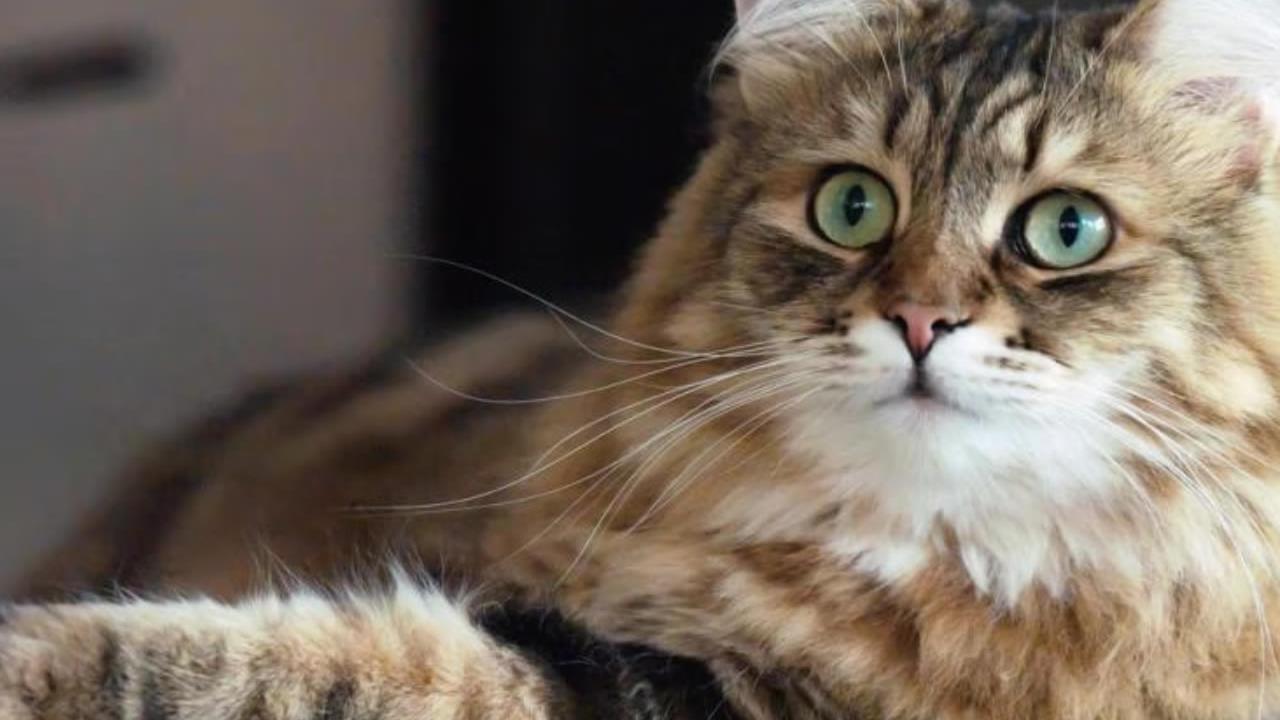
Most people start looking up Siberian cats for one of three reasons: they’re weighing up a kitten, they’re trying to understand the grooming and shedding commitment, or someone in the household is hoping the “hypoallergenic” reputation might mean fewer allergy flare-ups.
Siberians can be calm, sturdy companions, but they’re also a real long-coated cat with real seasonal moults, and the allergy question needs careful wording. Below is the practical picture: what they’re like to live with, what their coat actually needs, and what to watch for in health and temperament.
Size: Medium to large
Typical weight: Females often around 4–6 kg; males commonly around 6–9 kg (individuals vary)
Coat: Semi-longhair, thick and seasonal; winter coat is heavier
Colours: Many colours and patterns accepted (by major registries)
Temperament: Affectionate, curious, playful; often closely bonded to their people
Life span: Commonly 11–18+ years with good care
Known health considerations: Hypertrophic cardiomyopathy (HCM) risk in the breed; routine dental care and weight management matter for any cat
Grooming: Usually weekly to a few times a week; daily during heavy moults
Activity level: Moderate to active, with strong jumping and climbing ability
Shedding: Seasonal, often most noticeable in spring and autumn
What a Siberian cat is really like
The Siberian is a forest cat: solid through the body, built for climbing, and wrapped in a coat designed for long winters. Many are sociable without being clingy, and they tend to stay interested in play well into adulthood. They’re also slow to mature; it can take years before the adult body and full coat settle in. 1
History and origin
Siberians are considered a natural landrace from Russia, with written references to longhaired cats in the region going back many centuries. Modern cat registries describe them as a long-established type rather than a recently engineered breed. 1
You’ll often hear folklore attached to them. Treat those stories as cultural colour rather than evidence, because reliable historical records for “named cats in tales” are thin and vary widely by retelling.
Physical characteristics
Build and appearance
Siberians are medium to large, heavily boned, and muscular, with powerful hindquarters that translate into confident jumping. The overall look is rounded rather than angular. 1
The coat (and why it behaves the way it does)
The coat is the feature people notice first. In winter, many Siberians carry a thick triple coat; in warmer months it becomes shorter and less dense. That seasonal change is why the shedding can feel sudden, even if grooming has been steady. 1
The coat is often described as water-resistant, and many individuals tolerate water better than you’d expect from a cat—especially if they were introduced to bathing and handling early. Still, each cat is its own weather system: some love dripping taps, others prefer a dry life. 1
Temperament and behaviour
Typical personality traits
Most Siberians are people-focused, alert, and keen on interactive play. They tend to enjoy vertical space—tops of cat trees, shelves, window perches—where they can watch quietly and then launch into motion when something catches their attention. 1
Suitability as a family cat
They’re often a good match for households that want an affectionate cat but can also offer routine play and grooming. A bored Siberian will usually invent its own entertainment, and that can mean climbing, knocking, and exploring places you thought were out of reach.
Children and other animals
Many Siberians live well with children and other pets when introductions are slow and controlled. Plan for gradual, supervised meetings, and make sure the cat always has an escape route and high refuges. Rushed introductions are one of the quickest ways to create long-term tension. 2
Training and exercise needs
Early socialisation
Handle paws, ears, and coat gently from kittenhood if possible. It makes grooming and vet visits calmer later on, especially during the heavy moults when brushing becomes non-negotiable.
Play and enrichment
Aim for daily interactive play. Short bursts suit most cats better than one long session. Good options include:
- wand toys (to satisfy stalking and pouncing)
- food puzzles (to slow eating and occupy the mind)
- climbing trees and sturdy scratchers (to provide height and muscle work)
Health and lifespan
Hypertrophic cardiomyopathy (HCM)
HCM is the most common heart disease in cats, and it’s noted in several breeds including the Siberian. Some cats show no signs early on; diagnosis is typically made with echocardiography. If you’re buying a kitten, ask what heart screening the breeder does and what a veterinarian has documented, rather than relying on verbal reassurance. 3
How long do Siberian cats live?
With good care, many Siberians live into the teens. Registry summaries commonly cite a lifespan range that reaches 18 years and beyond for some individuals. 1
Everyday preventative care that matters
- Regular vet checks to pick up heart murmurs, dental disease, and weight drift early.
- Dental care at home if your cat will tolerate it, plus professional care when your vet recommends it.
- Weight management (measure food, adjust to body condition, and keep play consistent).
- Parasite prevention appropriate to your area and lifestyle.
Grooming and maintenance
How often to brush
For many Siberians, a thorough comb once or twice a week keeps the coat open and reduces knots. During the spring and autumn moult, daily brushing is often the difference between a manageable shed and clumps forming in the undercoat. 1, 4
What to use
- a metal comb to reach the undercoat
- a slicker brush for finishing and lifting loose hair
- treats or a lick mat to keep sessions calm and brief
Bathing
Baths are rarely necessary for coat health. If you do bathe, use a cat-specific shampoo and dry thoroughly—dense coats can hold moisture against the skin. If allergies are a concern in the home, discuss practical exposure-reduction steps with a clinician; bathing can reduce allergen on the coat for some households, but it’s not a cure and not every cat will tolerate it. 4
Diet and nutrition
What matters most
Siberians don’t need a “special breed diet”, but they do benefit from the same fundamentals as any cat: a complete and balanced food, portion control, and regular monitoring of body condition. If your cat is gaining weight, reduce calories and increase play before it becomes a long, slow slide into arthritis and chronic disease.
If you’re changing foods, do it gradually over several days to reduce tummy upsets.
Are Siberian cats hypoallergenic?
No cat breed is truly hypoallergenic. The main cat allergen, Fel d 1, is produced by cats and spread onto the coat through saliva and skin secretions. 5
Some people report they react less to some individual Siberians, but that varies widely by person and by cat. If allergies are part of your decision:
- Spend time with the specific cat you’re considering, ideally more than once.
- Keep expectations realistic: “better” is possible; “no symptoms” is not guaranteed.
- Talk with your GP/allergist about evidence-based management (medication, cleaning routines, and exposure reduction).
Final thoughts
A Siberian cat is a steady presence with a wild-looking coat: athletic, often affectionate, and happiest with daily play plus routine grooming. The coat will shed when the season turns, and the allergy question is always individual. Choose for temperament and health first, then for looks—because the looks are the easy part.
References
- The International Cat Association (TICA) — Siberian
- RSPCA Knowledgebase — Introducing a new dog/puppy to an existing cat
- Cornell Feline Health Center — Hypertrophic cardiomyopathy (HCM)
- Vetstreet — Siberian: grooming and care
- NIH (NCBI/PMC) — Cat allergen Fel d 1: sources and clinical relevance (review)
- Cornell Feline Health Center — Cardiomyopathy overview
- RSPCA Australia — Introducing a new cat to the family dog
- Journal of Feline Medicine and Surgery (via PubMed) — Variation in salivary Fel d 1 in cats

Veterinary Advisor, Veterinarian London Area, United Kingdom