
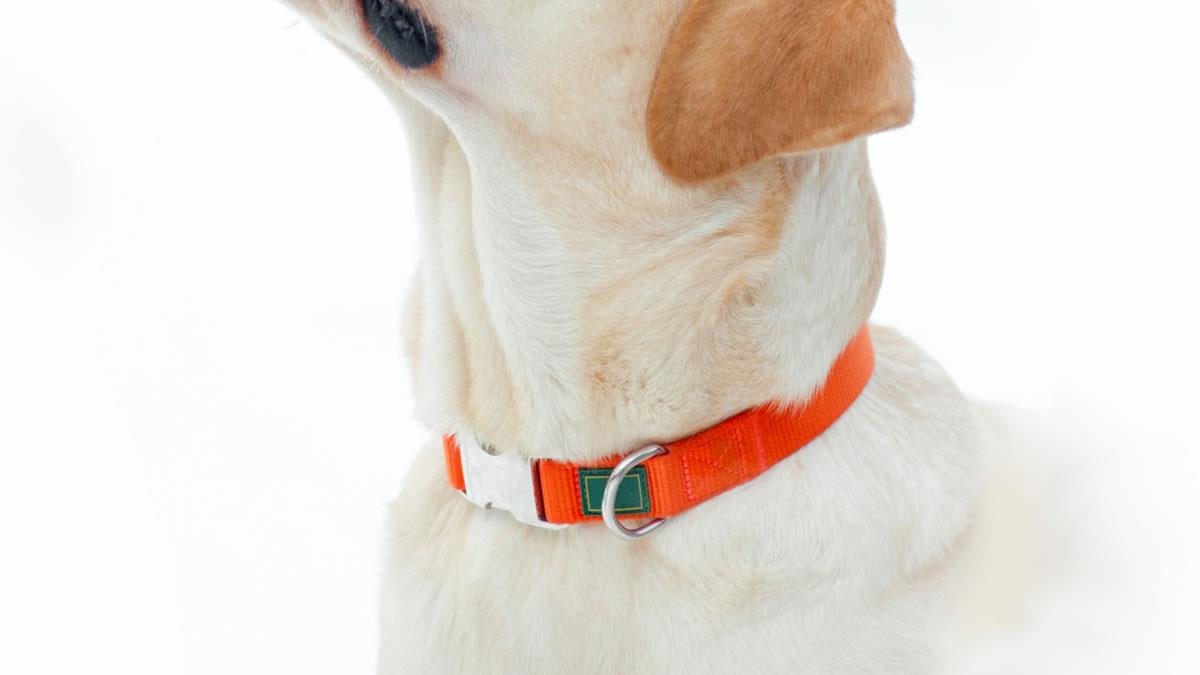
People usually look up Labrador Retrievers when they’re weighing up whether the breed will fit their home, or when a growing dog suddenly feels like a lot of dog: endless energy, a steady appetite, and a coat that seems to travel on the breeze.
Labradors are famously adaptable, but they do best with clear routines—training that starts early, daily exercise that’s more than a quick lap of the yard, and food portions that don’t quietly creep up. The details matter, because weight gain and sore joints can change the shape of a Labrador’s life.
Quick breed snapshot
- Size: Medium to large. Breed standards describe an ideal height at the withers of 56–57 cm for males and 55–56 cm for females (individual dogs can be outside this).1
- Coat: Short, dense, weather-resistant double coat; sheds year-round, often heavier in seasonal “coat blows”.1
- Colours: Solid black, yellow, or liver/chocolate (yellow ranges from light cream to fox red).1
- Temperament: Typically sociable, biddable, and people-oriented; widely used as assistance and working dogs because they’re trainable and steady.2
- Energy level: Generally high, especially in adolescence; needs daily physical exercise and regular mental work.
- Average lifespan: Commonly around 10–12 years (individual variation is normal).
History and origin
The modern Labrador Retriever was developed in the United Kingdom from working “St John’s water dogs” brought from Newfoundland, where they were valued by fishing communities for water work and retrieving.3, 4
In Britain, breeders refined the type into the Labrador Retriever recognised today, keeping the practical traits that still define the breed: a weatherproof coat, a strong swimming style, and a calm, responsive approach to handling.3
Physical characteristics
Build, coat, and movement
A Labrador is a sturdy, athletic gundog, built for steady work over ground and through water. The coat is a distinctive feature: short and dense with a weather-resistant undercoat, designed to shed water rather than hold it.1
Traits that suit water work
Two features are especially noticeable outdoors: the “otter” tail—thick at the base and used like a rudder while swimming—and the compact, well-padded feet. Many Labradors also have some degree of webbing between the toes, which can help with traction and propulsion in water.1
Temperament and behaviour
Labradors are typically friendly, social dogs that enjoy company and tend to learn quickly, especially when training is consistent and rewarding. Their enthusiasm can look like confidence, but without guidance it often spills into jumping up, pulling, stealing socks, and treating visitors as a contact sport.
They’re commonly a strong choice for families because many are tolerant and steady around children, particularly when the dog has had calm, gradual exposure and the children are taught safe handling. As with any breed, supervision matters—especially with large, energetic adolescents who don’t always know where their feet are.
Training and exercise needs
Start early, keep it ordinary
Early training and socialisation shape a Labrador’s whole adult life. Aim for lots of short, low-drama sessions: handling paws and ears, practising calm greetings, and building a reliable recall before you need it.
What works best in training
Positive reinforcement training (food, play, praise) suits the Labrador’s working heritage and keeps motivation high without tipping into anxiety. If you’re stuck, a qualified trainer can help you untangle the common Labrador problems—overexcitement, frustration barking, and selective hearing near water.
Daily exercise: more than “a run in the yard”
Most Labradors need a solid daily outlet for body and brain. That often looks like a brisk walk plus something purposeful: retrieving, scent games, training drills, or swimming in a safe spot.
- Good options: Fetch with rules (sit, wait, release), swimming, long-line sniff walks, beginner agility, food puzzle toys.
- Common mistake: Repeating high-arousal ball throwing for long stretches without any calm work; it can build stamina without building focus.
Health and lifespan
Common issues to know about
Labradors are generally robust, but they’re overrepresented in a few predictable problems. Hip dysplasia is an abnormal development of the hip joint that can lead to osteoarthritis; genetics, growth patterns, and bodyweight all play a role.5
Ear problems are also common in floppy-eared, water-loving dogs. Moisture and inflammation can set the stage for otitis externa (outer ear canal inflammation/infection). If your Labrador swims often, keeping ears clean and dry (with vet advice) can reduce recurrence.6, 7
Finally, Labradors are famous for appetite. Extra weight doesn’t just change how a dog looks—it increases strain on joints and can reduce comfort and mobility. Regular weight checks with your vet are a quiet form of prevention.8, 9
Preventive care that pays off
- Annual (or as advised) veterinary health checks, including weight and dental review.
- Keep vaccinations and parasite control current for your region.
- Ask your vet to show you safe ear-cleaning technique if your dog gets recurrent ear trouble; avoid cotton buds in the ear canal.7
- If you’re buying a puppy, ask about health screening in the parents (hips, elbows, eyes) and request documentation.
Grooming and maintenance
Labrador coats are short but efficient at shedding. Weekly brushing is usually enough to remove loose undercoat and grit; during heavier shedding periods, brushing more often will keep the tumbleweeds down. A simple rinse after beach swims helps remove salt and sand, and is a good moment to check ears and paws.
Bathe only when needed, using a dog shampoo that won’t strip the skin oils that make the coat water-resistant. Nails, teeth, and ears are the routine work that keeps a Labrador comfortable over the long haul.
Diet and nutrition
Feed for the dog in front of you
Choose a complete and balanced diet suitable for your dog’s life stage, then adjust the amount based on body condition, not just the packet guide. Many Labradors will happily eat more than they need, and they don’t come with a built-in “stop” signal.
Body Condition Score (BCS) systems help make weight checks more objective; in a 9-point system, an ideal is typically around 4–5/9.9
Foods to avoid
Some everyday foods can seriously poison dogs. Keep chocolate out of reach (theobromine toxicity can be severe), and don’t feed grapes/raisins or onions/garlic/chives.8, 10
Final thoughts
A Labrador Retriever thrives on plain, steady care: daily movement, regular training, sensible food portions, and a bit of grooming that keeps the coat and ears in good order. Give them those foundations and you tend to get the best of the breed—soft-mouthed, bright-eyed, and ready to follow you into whatever the day holds.
References
- Dogs Australia (ANKC) – Labrador Retriever breed standard
- RSPCA Australia – 4 ways to avoid obesity in your dog
- The Royal Kennel Club (UK) – Retriever (Labrador) breed standard
- St John’s water dog (background on the landrace associated with Labrador ancestry)
- MSD/Merck Veterinary Manual (Pet Owner Version) – Hip dysplasia in dogs
- MSD Veterinary Manual (Professional) – Otitis externa in animals
- MSD Veterinary Manual (Pet Owner Version) – Ear infections and otitis externa in dogs
- RSPCA Knowledgebase – Why chocolate is toxic to dogs and other animals
- US FDA (Animal Health Literacy) – Summary of AAHA nutritional assessment guidelines and body condition scoring
- ASPCA – People foods to avoid feeding your pets

Veterinary Advisor, Veterinarian London Area, United Kingdom