
Most people start searching for rabbit care when they’re about to bring one home, or they’ve realised their “starter kit” isn’t matching what a rabbit actually needs. In Australia, the stakes are practical: the wrong housing, heat, diet, or disease prevention can turn a quiet pet into an emergency very quickly.
Rabbits are small, watchful grazers built for movement and constant chewing. Set them up with space, fibre, and good biosecurity, and they tend to settle into a steady rhythm—eating, exploring, resting, then doing it all again.
Rabbits in Australia: pet animal, invasive species
Domestic rabbits are companions. Feral European rabbits are a serious environmental and agricultural pest across Australia, and it’s worth holding both truths at once. That difference matters most when you think about escape-proof housing, desexing, and not releasing unwanted animals.
European rabbits were present in the colony from the First Fleet era, but the event most closely tied to Australia’s feral rabbit explosion is Thomas Austin’s release of European wild rabbits in Victoria in 1859, after which rabbits spread rapidly across the continent.1
Temperament and behaviour: what rabbits are like to live with
Rabbits are alert, social animals that notice routines, sounds, and small changes in their space. Many become friendly and interactive with calm, predictable handling, but they’re not built to be carried around like a cat or dog. A rabbit that struggles in arms is often responding to feeling unstable and exposed, not “being difficult”.
Common behaviours you’ll see at home include:
- Thumping (a hind-foot stamp) when startled or uncertain
- Chinning objects to mark familiar territory with scent glands
- Binkies—a leap and twist that often appears during energetic exercise2
Housing and environment: space, shade, and daily exercise
A rabbit’s home should allow stretching out fully, standing tall on hind legs, and moving in more than a couple of hops. Pens and indoor “base camps” usually work better than small hutches because rabbits need room to travel, not just a box to sit in.
In Victoria’s animal welfare guidance, pet rabbits are described as needing a minimum of 4 hours of daily exercise, including running, hopping, jumping, and access to platforms and hiding places.3
Indoor set-ups
Indoors is often the safest default, especially in areas where mosquitoes and flies are active and wild rabbits are common. Aim for:
- a secure exercise pen or rabbit-proofed room as the main living area
- non-slip flooring (rugs or mats help)
- a litter tray with rabbit-safe litter, topped with hay
- hidey spots (boxes, tunnels) so the rabbit can choose to withdraw
Outdoor set-ups (if you choose them)
Outdoor housing needs stronger engineering: shade, ventilation, predator-proofing, and protection from rain and extremes of temperature. Heat stress is a real risk for rabbits, and guidance from Animal Welfare Victoria notes their susceptibility and the need for protection from extreme temperatures and weather.3
Enrichment that fits rabbit instincts
Rabbits don’t need constant novelty, but they do need things to do. Favour simple, chewable, rearrangeable items:
- cardboard boxes with doorways cut in
- paper bags stuffed with hay (no glossy inks)
- untreated willow or rabbit-safe chew sticks
- tunnels and low platforms for climbing and lookout points
Diet and nutrition: hay first, always
In a healthy adult rabbit, grass or grass hay should be the bulk of the diet. It supports steady gut movement and gives teeth the constant wear they’re designed for. RSPCA guidance puts hay/grass at about 80% of the diet, with leafy greens and vegetables at about 15%, and pellets at up to 5% (not essential if hay and greens are offered properly).4
What to feed day-to-day
- Unlimited grass hay (fresh, sweet-smelling, low dust)
- leafy greens and vegetables, washed and rotated for variety4
- a small amount of high-quality pellets if advised or useful for your rabbit’s condition and weight4
- fresh, clean water available at all times (many rabbits drink better from a bowl)4
Foods to avoid
Skip “muesli-style” rabbit mixes and high-sugar, high-starch extras. RSPCA notes these mixes encourage selective feeding and are linked with obesity and dental problems.4
Health and lifespan: what “normal” looks like
With good care, many pet rabbits live into older age. Lifespan varies with genetics, diet, housing, and veterinary care, but planning for a long-term commitment is sensible.
Common problems to take seriously
Rabbits tend to hide illness, so small changes matter. Some of the most important issues in pet rabbits are:
- Dental disease, often tied to insufficient fibre and chewing time (rabbit teeth grow continuously, so diet and regular checks are crucial)2, 4
- Gut slowdown (gastrointestinal stasis), which can be triggered by pain, stress, low fibre intake, dehydration, or underlying disease—this is an urgent veterinary situation
- Heat stress, especially in hot, still weather or poorly ventilated hutches3
Vaccination and biosecurity in Australia (calicivirus / RHD)
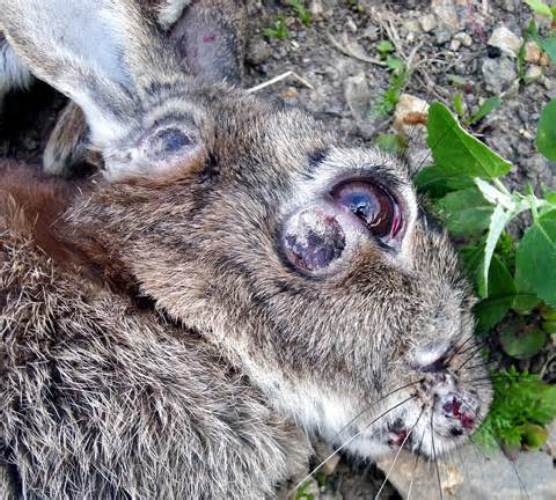
Rabbit haemorrhagic disease virus (RHDV, often called calicivirus) is present in Australia and can spread through direct contact, contaminated items (clothing, hutches, bowls), and insects such as flies. The Australian Government advises hygiene, insect control, appropriate housing, avoiding contact with wild rabbits, and vaccination to reduce risk.5
CSIRO’s national updates have repeatedly reported RHDV2 as the dominant circulating strain in tested cases, and they encourage owners to keep pet rabbits indoors where possible, control insects, disinfect equipment, and vaccinate.6, 7, 8
Vaccination advice can change with products and local outbreaks, so it’s best handled with your local vet, using current Australian guidance.5
Grooming and routine care
Most rabbits cope well with gentle, regular grooming, especially during seasonal moults. The goal is simple: keep the coat free of mats, reduce swallowed fur, and notice changes early.
- Brush weekly (more often during heavy moulting; long-haired breeds may need frequent sessions)
- Check nails regularly and trim as needed (your vet can show you safely)
- Do quick daily checks: eating, droppings, posture, breathing, eyes and nose
Training and socialisation: quiet, patient, consistent
Rabbits learn by repetition and safety. Keep sessions short and calm, and use food rewards sparingly so you don’t crowd out hay.
Helpful, low-pressure training goals include:
- litter training (using a hay-topped litter tray)
- coming to a cue for meals
- settling on a mat for grooming
RSPCA notes rabbits need space, daily opportunities to run and dig, and dedicated time with you for grooming and play—simple routines that build trust without forcing interaction.2
Final thoughts
A well-kept rabbit household is usually quiet: the rustle of hay, the soft thud of a hop, a pause in a cardboard doorway to listen. Get the basics right—room to move, fibre-rich food, protection from heat and disease—and rabbits often repay you with steady companionship on their own gentle terms.
References
- National Museum of Australia — Rabbits introduced (1859 Thomas Austin release and spread)
- RSPCA Australia — How to take care of your pet rabbits
- Agriculture Victoria (Animal Welfare Victoria) — Guidelines for keeping pet rabbits
- RSPCA Knowledgebase — What should I feed my rabbits?
- Australian Government (DAFF) — Rabbit Haemorrhagic Disease Virus (Calicivirus)
- CSIRO — Rabbit caliciviruses update (February 2025)
- CSIRO — Rabbit caliciviruses update (March 2025)
- CSIRO — Rabbit caliciviruses update (May 2025)

Veterinary Advisor, Veterinarian London Area, United Kingdom