
People usually look up Golden Retrievers when they’re weighing up a new dog, checking whether the breed suits children and other pets, or trying to make sense of common health problems and daily care. It’s a practical decision: get it right and you’ll have a steady, trainable companion; get it wrong and you can end up with a bored dog, a strained household, and preventable vet bills.
Below is a clear, grounded picture of what a Golden Retriever is like to live with in Australia—size and temperament, exercise and grooming, the health issues that matter most, and the small habits that keep the breed comfortable and well-behaved.1, 2
Golden Retriever at a glance
- Size: Medium–large gundog. Typical weight ranges are around 29–34 kg for males and 25–29 kg for females (individuals vary).1
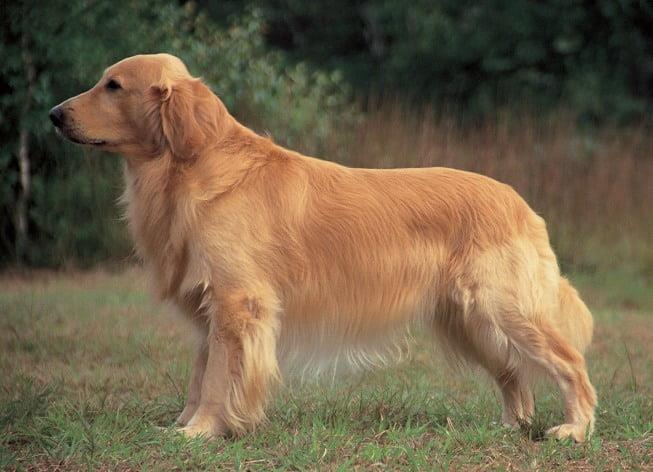
- Coat: Dense, water-resisting double coat; flat or wavy with feathering. Colours range from cream to gold (not red or mahogany).2
- Temperament: Biddable, intelligent, friendly and confident when well raised and well exercised.2
- Life expectancy: Commonly around 10–12 years, with many living into their early teens; some Australian breed sources cite 12–14 years.1
- Exercise needs: Daily exercise is essential; most adults need a solid hour or more plus training and sniffing time. (Two hours can be appropriate for a very fit dog, but it’s not a universal minimum.)1
- Grooming needs: Regular brushing is part of life with a double-coated dog, especially through seasonal shedding.2
History and origin
The Golden Retriever developed in Scotland as a gundog built for retrieving game across wet ground and cold water. That purpose still shows in the breed’s design: a water-resisting coat, a mouth made for carrying, and a steady willingness to work alongside people.1, 2
Modern Goldens are found in many roles—family companions, obedience and retrieving sports, assistance and therapy settings—because the same traits that help in the field (trainability, persistence, comfort around people) also suit daily life, if their needs are met.1
Physical characteristics
Appearance
Golden Retrievers are symmetrical, athletic dogs with a kindly expression and a balanced build designed for stamina rather than sprinting. Breed standards describe a powerful, level mover with a broad skull, dark brown eyes, and medium ears carried close to the cheeks.2
Height and weight
In Australia, the breed standard height is 56–61 cm at the withers for dogs (males) and 51–56 cm for bitches (females).2
Adult weight varies with frame, sex, conditioning and line. A common range is roughly 29–34 kg for males and 25–29 kg for females.1
Coat and shedding
The coat is flat or wavy with feathering and a dense, water-resisting undercoat. It’s made for weather. It also sheds—quietly at first, then all at once when the seasons turn.2
Temperament and behaviour
What they’re typically like
A well-bred, well-socialised Golden Retriever is usually friendly and confident, with a soft mouth and a strong desire to work with people. They tend to learn quickly and repeat what is rewarded—good and bad—so clear boundaries matter from the start.2
With children and other animals
Goldens are often chosen for families because many have a tolerant, steady nature. Still, any dog can bowl a toddler over without meaning to, and any dog can become anxious or snappy if cornered, sore, or overhandled. Supervision and teaching children respectful touch are part of the deal, not an optional extra.
As a working dog
The breed’s biddability and focus can translate well into assistance work, therapy visitation, scent work, retrieving trials and obedience. Not every Golden has the temperament for every job, but the breed’s baseline traits make it a common starting point.1
Training and exercise
Early socialisation and basic manners
Goldens grow quickly, and the puppy who leans into every greeting becomes the adult who can drag you across a footpath. Early training is less about tricks and more about calm defaults: settling on a mat, walking on a loose lead, gentle greetings, and being comfortable with handling (ears, paws, mouth) for grooming and vet visits.
Training style that suits the breed
They generally respond well to reward-based training: food, play, praise, and access to what they want (sniffing, swimming, greeting). Keep sessions short and frequent. If a Golden is “being stubborn”, it’s often confusion, fatigue, or a reward that isn’t worth the effort.
How much exercise?
Adults usually need at least an hour of purposeful activity a day, plus mental work. Many do best with more—especially younger dogs—so long as it’s sensible and varied (walking, training, scent games, supervised swimming, controlled retrieving).1
For puppies, avoid forced, high-impact exercise and repetitive jumping games. Overdoing fetch and hard landings can risk injury in growing bodies.4
Health and lifespan
Common issues to be aware of
No breed is “healthy by default”. Golden Retrievers are known to have risks that are worth planning for, particularly:
- Joint disease: hip dysplasia and elbow dysplasia, plus other orthopaedic problems depending on lines and lifestyle.
- Eye disease: several inherited conditions occur in the breed, which is why reputable breeders screen.
- Cancer: Goldens are considered a cancer-prone breed, and research has explored genetic factors linked with longevity within the breed.5
What “life expectancy” really looks like
Many sources quote Goldens around the 10–12 year mark, and many individuals live well beyond that with good genetics and care. Some breed organisations cite a typical lifespan of about 12–14 years.1
Longevity varies. One UC Davis research team found certain gene variants (HER4/ERBB4) were associated with a longer average lifespan within the breed in their study population—useful science, but not a promise for any one dog.5
Everyday preventative care that actually helps
- Keep your Golden lean. Excess weight loads joints and quietly worsens many conditions.
- Maintain routine veterinary checks, parasite prevention, and dental care.
- Choose breeders who health test and can explain results plainly (hips/elbows and relevant eye screening).
Grooming and maintenance
Brushing and coat care
A Golden’s coat is built in layers. Regular brushing helps remove loose undercoat before it mats, and reduces the amount that ends up on your skirting boards. As a general guide, double-coated dogs benefit from at least weekly brushing, with more during heavier shedding periods.3
Bathing, ears and nails
Baths are occasional, not constant—too frequent can dry the skin. Ears need regular checks, especially if your dog swims, and nails should be trimmed often enough that they don’t click loudly on hard floors.
Diet and nutrition
Most Golden Retrievers do well on a complete and balanced commercial diet that matches their life stage (puppy, adult, senior) and activity level. The biggest practical nutrition issue for many Goldens is not protein or grains—it’s excess kilojoules. Measure meals, adjust for treats, and watch body condition rather than the scoop size.
Be cautious with strenuous exercise around mealtimes. Deep-chested dogs are among those at risk for gastric dilatation-volvulus (GDV, “bloat”), a life-threatening emergency. Feeding routines and rest around meals are part of sensible risk reduction.6, 7
Fun facts (without the fluff)
Golden Retrievers were built for water and retrieving. Their coat and undercoat are designed to resist water, and many individuals take to swimming readily when introduced safely and gradually.2
The breed is also commonly seen in scent work and search roles, where steady temperament and trainability can matter as much as raw nose power.1
Final thoughts
A Golden Retriever is at its best when life is simple and consistent: daily movement, regular grooming, calm training, and a family that enjoys having a dog underfoot. They’re affectionate without being fragile, energetic without being chaotic—when their needs are met. If you’re choosing one, put as much effort into the breeder and early training as you do into the name on the collar.
References
- National Golden Retriever Council (Australia) – About the Breed
- Dogs Australia – Golden Retriever Breed Standard
- RSPCA Pet Insurance – Guide to Dog Cleaning and Grooming
- RSPCA Knowledgebase – How should I exercise my puppy?
- UC Davis – Can Golden Retrievers Live Longer? (longevity gene research, October 2023)
- American Animal Hospital Association (AAHA) – Understanding Canine Bloat (GDV): A Medical Emergency
- Cornell University College of Veterinary Medicine – Gastric Dilatation-Volvulus (GDV) or “bloat”
- Golden Retriever Club of NSW – Breed Standard

Veterinary Advisor, Veterinarian London Area, United Kingdom