
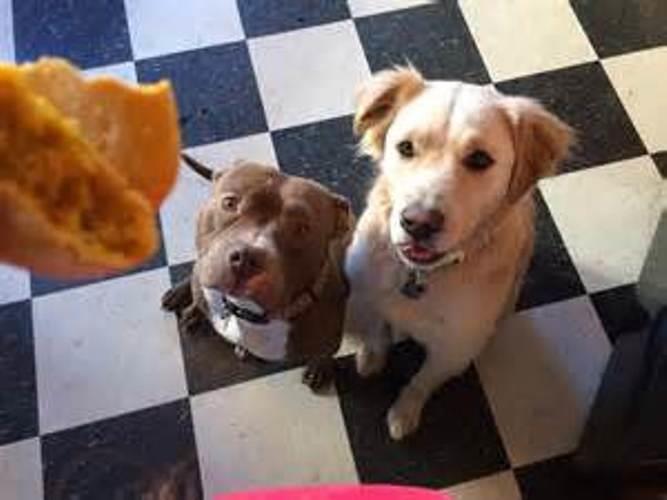
You usually start searching for dog training treats when training stalls: your dog loses focus, treats seem too big or too rich, or you’re trying to reward often without quietly adding a second dinner. The wrong treat can slow sessions, upset stomachs, or nudge weight in the wrong direction.
What works is simple and consistent: tiny, high-value rewards, a quick check of the ingredient list, and a sensible cap on how much treat-food makes it into the day. Reward-based training sits at the centre of this approach, because it’s both effective and kinder on dogs’ welfare.1, 2
Why training treats work (when they’re used well)
In reward-based training, you add something the dog values immediately after the behaviour you want to see again. Food treats are popular because they’re clear, quick, and easy to repeat many times in a session.1, 2
Good training treats don’t “bribe” a dog so much as mark a moment. Used with timing and consistency, they help a dog learn which behaviours pay off, without leaning on punishment or fear.1, 2
Types of dog training treats
Most training treats fall into a few practical categories. None is “best” in every situation; the right choice depends on how fast you need rewards, how sensitive your dog’s gut is, and how messy you’re willing to get.
Soft treats
Soft treats are usually the fastest for training. They’re easy to chew, swallow, and move on from, which keeps the dog’s attention on the next repetition rather than the last mouthful.
They can go stale quickly once opened, and some leave a film on your fingers and your dog’s pocket of drool. A small airtight container helps.
Crunchy treats
Crunchy treats keep well in a bag and are less sticky. The trade-off is time: crunching takes longer, and the sound or chewing can break the flow in rapid-fire sessions.
Freeze-dried treats
Freeze-dried treats are light to carry and often made from a short ingredient list. They can be ideal for dogs with simple diets or dogs who work better for “real” meat flavours.
They’re often more expensive per serve, and some crumble into powder at the bottom of the pouch (which is not always a problem—many dogs will happily work for crumbs).
Ingredients to look for
A training treat doesn’t need to be a complete diet. It does need to be safe, consistent, and easy on the body when used frequently. As a rule, simpler lists are easier to assess, especially if your dog has a history of skin or stomach upsets.
Useful ingredient patterns
- Clearly named animal proteins (for example, “chicken”, “beef”, “salmon”) rather than vague “meat derivatives”.
- Limited-ingredient recipes, particularly if you’re troubleshooting itchiness or soft stools.
- Lower-fat options for dogs prone to weight gain, pancreatitis risk, or rich-food tummy troubles (your vet can guide you if this is a concern).
If you’re using commercial treats, remember they’re usually intended as extras, not nutritionally complete foods. That’s normal—and it’s why quantity matters.3
Ingredients and treat habits to avoid
Some “avoid” choices are about long-term diet quality (unnecessary colours, heavy fillers). Others are urgent safety issues—foods that are genuinely dangerous to dogs even in small amounts.
Red flags on labels and in the kitchen
- Xylitol (a sweetener found in some human foods, including some peanut butters and sugar-free products). It can be life-threatening to dogs.4
- Grapes, raisins and sultanas (including baked goods that contain them). These can cause serious poisoning in dogs.4
- Chocolate, especially dark chocolate and cooking chocolate, which is more concentrated.4
- Onion and garlic (including powders hidden in sausages, BBQ foods, and seasoned meats).4
- Macadamias (and foods that contain them).4
If you suspect your dog has eaten something toxic, contact your vet promptly. In Australia, the Animal Poisons Helpline is also available 24/7.5
Size and texture: the small details that change everything
For training, treat size is less about “spoiling” and more about mechanics. The treat should be swallowed in a second or two. The dog should stay in the lesson, not drift into a snack break.
- Go small: pea-sized (or smaller) is often plenty. Break larger treats into fragments.
- Match texture to teeth: puppies and older dogs often do better with softer treats, especially if chewing seems awkward or painful.
- Watch the swallow: very dry, crumbly treats can make some dogs cough when they’re excited and eating fast—swap to softer pieces if needed.
Calories and frequency: staying inside the “treat budget”
In training, treats arrive in quick succession. The calories sneak in quietly, like sand through fingers.
A widely used guideline is to keep treats and other extras to no more than 10% of your dog’s daily calories, with the rest coming from a complete and balanced diet.6, 7
Practical ways to keep rewards frequent without overfeeding
- Use tiny pieces and reward more often, rather than handing out larger chunks.
- Swap in part of your dog’s meal as training rewards (kibble or measured wet food), especially for easy sessions.
- Reserve “special” treats for the hard moments: recalls, distractions, grooming co-operation.
- Adjust the main meal on heavy-training days, particularly for small dogs where a few extra treats matter more.
Homemade vs store-bought treats
Both can work well. The best choice is the one you can use consistently, safely, and without guesswork.
Homemade treats
Homemade treats give you control over ingredients, which can help if your dog has allergies or you’re running a simple diet. The downside is variability: size, moisture, and calories can be hard to judge, and shelf life is shorter.
Store-bought treats
Commercial treats are convenient, portable, and consistent. Look for clear labelling, simple ingredient lists, and treat sizes you can break down easily. Remember they’re generally intended for intermittent or supplemental feeding, not as a complete food.3
Puppies and senior dogs: a slightly different pace
Puppies
Puppies learn fast, but their mouths are still developing and their stomachs can be sensitive. Choose small, soft treats, and keep sessions short and upbeat. If you’re using richer treats, start with tiny amounts and watch the poo the next day. It tells the truth.
Senior dogs
Older dogs may have dental wear, gum sensitivity, or medical diets. Softer treats often work better, and lower-calorie options help if exercise has slowed. If your dog is on a prescribed diet, check with your vet before adding new treats regularly.
Creative ways to use training treats (without creating a snack-obsessed dog)
Treats don’t have to appear only at the end of a cue. Used thoughtfully, they can turn everyday life into quiet enrichment.
- Scatter feeding in grass or on a snuffle mat to let your dog forage using their nose.
- “Find it” games around the house to build calm focus and pattern recognition.
- Puzzle toys for rainy days—use part of the daily food allowance to keep the calories honest.
Final thoughts
The best training treat is small, easy to eat, safe, and worth working for. Keep the ingredient list sensible, keep the pieces tiny, and keep treats to a modest slice of the day’s calories so training stays effective without quietly shifting the scales.6, 7
Reward-based training isn’t complicated. It’s steady. A clear marker, a well-timed reward, and a dog who can concentrate because the food arrives like punctuation, not a full stop.1, 2
References
- American Veterinary Society of Animal Behavior (AVSAB) – Position Statements (including Humane Dog Training)
- RSPCA Knowledgebase – Reward-based dog training and why the RSPCA supports it
- AAFCO – Selecting the Right Pet Food (treats and supplements: intermittent or supplemental feeding)
- RSPCA Pet Insurance – Safe diet for dogs (foods to avoid, including xylitol, grapes/raisins, chocolate, onion/garlic, macadamias)
- Animal Poisons Helpline (Australia) – 24/7 advice line
- UC Davis School of Veterinary Medicine – Treat Guidelines for Dogs (treats should not exceed 10% of daily calories)
- WebMD – Pet Treats (limit treats to no more than 10% of daily calories)
- RSPCA Australia – Reward-based training supported; punishment-based training not supported
- RSPCA Pet Insurance – Positive reinforcement training

Veterinary Advisor, Veterinarian London Area, United Kingdom