
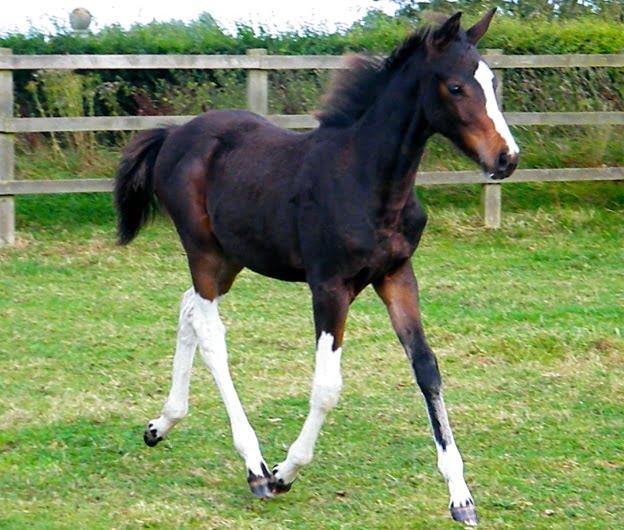
People usually start searching “Irish Sport Horse” when they’re trying to identify a horse, check what the name really means on a passport, or decide whether this type is suitable for jumping, eventing, hunting, or a steady all-round riding life. The details matter: “Irish Sport Horse” can describe a breeding style in conversation, but it can also be a studbook or even a geographic label, depending on where the horse was bred and registered.
Below is a clear, practical guide to what an Irish Sport Horse (also called an Irish Hunter) typically is, what to expect in size and temperament, and how to keep one sound and thriving—from feet and teeth to feeding and injury prevention.
At a glance: Irish Sport Horse / Irish Hunter
- Common type: traditionally Irish Draught × Thoroughbred cross (often with other sport-horse influence in modern pedigrees)2, 3
- Height: often around 15.2–17 hh (individuals vary)3
- Build: athletic, substantial bone, made to jump and stay sound across distance and varied ground3
- Temperament: typically willing, sensible, trainable (with the usual individual variation)3
- Common disciplines: eventing, show jumping, hunting, dressage, pleasure riding3
- Lifespan: commonly into the 20s, with some horses reaching 30+ with excellent care (as with most horses, management matters more than “breed rules”)10
What “Irish Sport Horse” actually means (and why it can be confusing)
In everyday riding circles, “Irish Sport Horse” often means a performance-focused Irish horse, commonly descended from Irish Draught and Thoroughbred lines. That traditional blend—bone and steadiness from the Draught type, speed and gallop from the Thoroughbred—helped shape the classic Irish hunter and modern competition horse.2, 3
On paperwork, the label may mean something more specific. Horse Sport Ireland uses “Irish Sport Horse (ISH)” as a studbook designation within the Irish Horse Register, and it can function as a broad, Ireland-based classification rather than a strict recipe of bloodlines.1, 2
If you’re trying to confirm what your horse is, check the passport/registration and, where possible, the studbook entry rather than relying on stable-yard shorthand.1
History and working roots
The Irish Sport Horse grew out of practical needs. Irish breeders wanted a horse that could do a day’s work and still have enough scope, balance, and stamina to carry a rider across country, over hedges and ditches, and later into formal show jumping and eventing. The Irish Draught influence contributed substance and durability; Thoroughbred blood sharpened reflexes and added speed and aerobic capacity.2, 3
Physical characteristics
Most Irish Sport Horses sit in the middle ground between heavyweight and fine-boned types: strong through the body, clean limbs, and a frame that tends to make sense over fences. Height is commonly quoted around 15.2–17 hh, but you’ll see smaller, compact horses as well as taller, rangier individuals, depending on breeding and purpose.3
Coat colour varies widely. In practice you’ll commonly see bay, chestnut, grey and black—along with plenty of other colours—because the “Irish Sport Horse” label isn’t tied to a single colour standard.3
Temperament and behaviour
A good Irish Sport Horse is often described as straightforward: alert, responsive, and generally sensible under saddle. Many are quick learners, and they tend to do well with consistent handling, clear boundaries, and work that keeps their bodies supple and their minds occupied.3
Temperament still varies by individual, upbringing, and training. Early handling, turnout, and calm repetition usually shape a far more reliable adult than any label on a registration certificate.
Where they shine: disciplines and daily work
Irish Sport Horses are commonly chosen for sports that reward bold, efficient jumping and adjustable paces—show jumping and eventing most of all, and often hunting in the traditional sense of long days over varied terrain. They can also be comfortable dressage partners when produced with patience and correct basics, especially at the levels where balance and rideability matter more than extravagant movement.3
Training and exercise: keeping the engine sound
Start with early education, not early pressure
Young horses do best when they learn the ordinary things first: leading, standing tied, feet handling, travelling, and short sessions that end before fatigue turns tidy effort into sloppy movement. A steady foundation reduces risk later, especially when fences get bigger and ground gets faster.
Build fitness like you’re laying down layers
Irish Sport Horses often look capable long before their bodies are ready for repeated impact. Increase workload in small increments, and keep variety in the week—flatwork for strength and straightness, hacking for bone and brain, and careful jumping sessions that prioritise quality over quantity.
Health and soundness: the common issues to watch
No horse is immune to injury, and athletic types are especially exposed to wear and tear. The most common “health issues” listed for Irish Sport Horses—lameness and colic—aren’t breed-specific diagnoses so much as the everyday risks of horse life, amplified by hard work, surfaces, and management choices.7, 8
Lameness (a sign, not a diagnosis)
Lameness simply means an abnormal gait or stance, most often linked to pain somewhere in the locomotor system. It can stem from hoof balance, joints, soft tissue strain, poor footing, repetitive stress, or a mismatch between fitness and workload.7
Small changes matter. Early signs can be subtle: shortened stride, reluctance to turn, uneven transitions, or “not quite right” over a fence. If something feels off for more than a day or two, a proper lameness work-up is worth the money.
Colic risk (often management-related)
Colic is a broad term for abdominal pain, and it ranges from mild, passing discomfort to true emergencies. Many risk factors are linked to feeding and routine: sudden diet changes, large grain meals, irregular access to forage, stress, and limited water intake. Keep changes gradual, keep fibre high, and keep water always available.6
Laminitis and high-sugar feeding mistakes
Laminitis is a serious disease of the hoof’s internal support structures. It’s commonly associated with metabolic/endocrine problems and can also follow severe systemic illness. Avoid sudden carbohydrate overload, be cautious with lush pasture for at-risk horses, and talk to your vet early if you suspect foot pain or heat.9
Grooming and routine care
Grooming is less about shine than surveillance. Regular brushing lets you notice the small things early: rubs, swelling, skin irritation, heat in the feet, or changes in muscle tone. In shedding seasons, a curry comb and a steady rhythm will lift old hair and stimulate the skin without scraping it raw.
Feet, teeth, worms: the unglamorous essentials
- Hooves: plan trimming/shoeing on a regular cycle (often 6–8 weeks) to maintain balance and reduce avoidable strain.5
- Teeth: schedule dental checks at least annually; younger horses and some management situations may need more frequent assessment.5
- Parasites: use a targeted approach with your vet (not blind, endless rotation), guided by your horse’s risk, paddock hygiene, and testing where available.5
Feeding: simple, fibre-first nutrition
Most Irish Sport Horses do best when forage is the centre of the diet: pasture and/or good-quality hay, with concentrates added only as needed for workload, condition, and temperament. Fresh, clean water should be available at all times, and salt access is a quiet but important part of everyday hydration and appetite regulation.5
If you need to change feed, do it slowly. Horses are built for steady grazing, not sudden swings in starch, schedule, or volume. That gradual approach protects the gut and lowers the risk of colic and other digestive upsets.6
Notable Irish Sport Horses (and a quick correction)
You’ll sometimes see the claim that Custom Made won team gold at the Sydney Olympics in 2000. The gold-medal ride most often associated with Custom Made was at the 2000 Sydney Olympic Games, where he competed with David O’Connor; however, medal details are frequently misstated in casual summaries, so it’s worth checking official results if you’re citing it formally.4
At their best, Irish Sport Horses tend to appear in the record like this: economical over the ground, careful enough to leave rails up, and steady-minded when the questions come quickly.
Final thoughts
The Irish Sport Horse remains a useful, athletic type rather than a single, fixed mould. When the breeding, handling, and daily care line up, you usually get a horse that can jump, travel, and keep trying on ordinary days as well as the big ones. Soundness and success are built in the small routines: steady forage, good feet, sensible conditioning, and early attention when something changes.
References
- Horse Sport Ireland — Horse Registration Services (Irish Horse Register and studbooks)
- Irish Draught Horse Society (North America) — About the Irish Draught Sport Horse / Irish Sport Horse naming
- Irish Sport Horse (overview and characteristics)
- Custom Made (Irish Sport Horse; background and competition history)
- Agriculture Victoria — Basic horse care (feet, teeth, worming, shelter)
- Merck Veterinary Manual — Overview of colic in horses
- Merck Veterinary Manual — Overview of lameness in horses
- MSD Veterinary Manual — Disorders of the back and pelvis in horses (performance issues and lameness links)
- MSD Veterinary Manual — Laminitis in horses
- Merck Veterinary Manual — Overview of horse management (general care and longevity context)

Veterinary Advisor, Veterinarian London Area, United Kingdom