
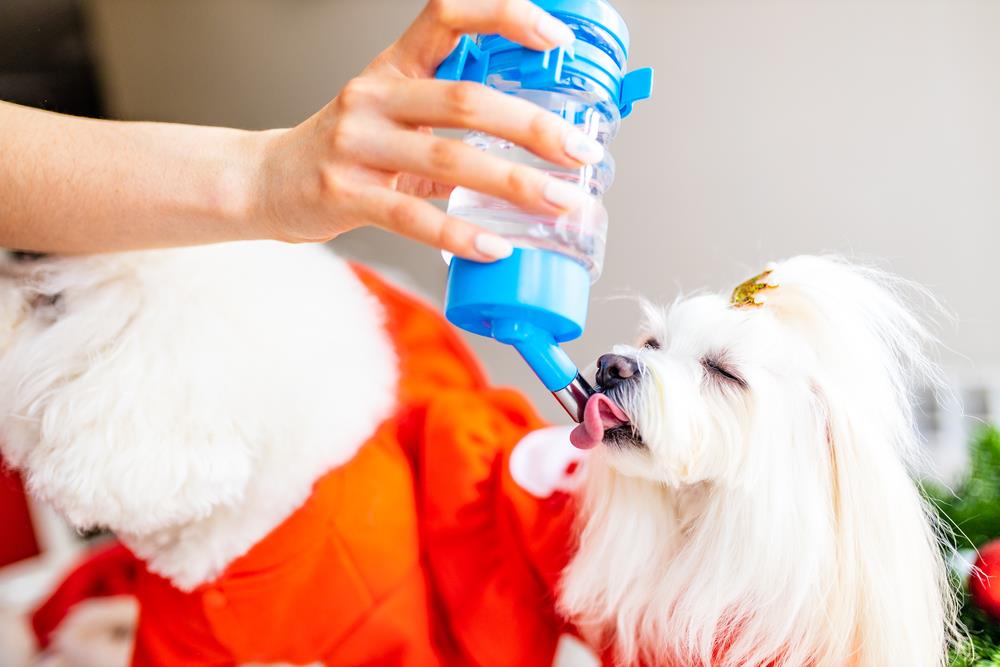
Most people end up searching pet hydration when something feels slightly off: the water bowl stays full, panting seems heavier than it should, or a usually bright animal turns flat and quiet. Dehydration can creep in alongside heat, exercise, travel, or a bout of vomiting and diarrhoea, and the consequences can move from “a bit off-colour” to true emergency faster than many owners expect.1, 2
What follows is a practical guide to spotting dehydration early, understanding what it does inside the body, and knowing when home care is sensible versus when a vet needs to see them urgently. The aim is simple: clear signs, sensible checks, and a calm plan for the next step.1, 3
Why water matters in a pet’s body
Water is the quiet transport system that keeps everything moving: blood volume and circulation, temperature control, digestion, kidney function, and the chemistry inside every cell. When fluid levels drop, the body has less room to buffer heat and illness, and organs that rely on steady blood flow—especially the kidneys—start to feel the strain.3, 4
What dehydration looks like (and what it can be confused with)
Dehydration is a shortage of body water, often paired with electrolyte imbalance. It commonly follows:
- heat stress or heatstroke risk (hot days, hot cars, reflected heat from pavement)
- exercise, especially in humid weather
- vomiting, diarrhoea, fever, or reduced drinking due to pain or nausea
Some signs overlap with other problems (pain, infection, metabolic disease). That’s why a few simple checks help—but they don’t replace a vet assessment when your pet is clearly unwell.1, 2, 3
Signs of dehydration in dogs and cats
Dehydration doesn’t always announce itself loudly. Often it’s a slow dimming: less bounce, less interest, a mouth that feels tacky rather than wet.
Common early-to-moderate signs
- Dry or sticky gums (instead of slick and moist)
- Thick, stringy saliva
- Reduced energy or reluctance to move
- Sunken-looking eyes
- Reduced skin elasticity (skin “tents” and returns slowly)
- Reduced appetite
In cats, panting is not normal and should be treated as a warning sign—especially in warm weather or after stress.1, 5
Severe signs (treat as urgent)
- Collapse, marked weakness, or inability to stand
- Seizures or tremors
- Altered awareness (dull, unresponsive, confused)
- Very dry mouth with obvious “tacky” membranes
Veterinary texts note that very severe dehydration can be associated with very dry oral membranes, severe loss of skin turgor, retracted eyes, and changes in consciousness.4
Quick home checks (useful, but not perfect)
Two checks are commonly suggested for home use. They work best when you know what’s normal for your own pet.
1) Gum moisture check
Lift the lip and touch the gums. Healthy gums should feel moist and slippery. If they feel dry or sticky, dehydration is more likely—especially if other signs (lethargy, reduced appetite) are present.1
2) Skin tent (“turgor”) check
Gently lift a fold of skin over the shoulders and let go. In a well-hydrated animal it should spring back quickly. Skin that returns slowly or stays slightly tented can suggest dehydration.1
This check can mislead in very young pets, older pets, and very lean animals, where skin and fat distribution changes the feel of “turgor” even when hydration is normal. If your pet seems unwell, don’t let one normal-looking test reassure you too much.4
How much water do pets generally need?
Daily needs swing with temperature, exercise, diet (dry versus wet), pregnancy/lactation, and illness. For healthy adult animals, veterinary guidelines commonly quote maintenance water needs around:
- Dogs: about 60 mL/kg/day
- Cats: about 40 mL/kg/day
These figures are a guide, not a target to force. Many pets regulate themselves well when clean water is always available. A sudden change—drinking far more or far less than usual—matters more than the exact number.6
Getting more fluid in, without turning it into a battle
Hydration works best when it’s easy and ordinary.
- Offer multiple bowls (quiet spots, away from litter trays, food, or busy doorways).
- Refresh water often; some pets avoid stale water.
- Add water to food (especially for dry-fed pets), if it doesn’t cause refusal.
- Consider a drinking fountain for cats that prefer moving water.
If your pet is vomiting, very lethargic, or not keeping fluids down, “encouraging drinking” at home isn’t the main job anymore—medical assessment is.1, 3
Diet and hydration: why wet food changes the picture
Water doesn’t only come from the bowl. Food moisture can make a noticeable difference, especially for cats that naturally drink small volumes.
As a rough rule, canned/wet pet foods are typically high in moisture (often around three-quarters water). That means some pets on wet diets may meet a large portion of their daily fluid needs through meals, while dry-fed pets usually need to drink more to balance out the lower moisture content of kibble.7
Hot weather and exercise: where dehydration becomes heat injury
On hot days, dehydration and overheating travel together. Dogs cool mainly by panting, and if the environment is hot or humid, that cooling becomes inefficient. Heatstroke is an emergency, not a “watch and wait” problem.2, 8
Simple prevention habits that make a real difference
- Walk early or late, not in peak heat.
- Avoid hot pavement; if it’s too hot for your hand, it’s too hot for paws.
- Provide shade and airflow, and bring pets indoors if it’s cooler.
- Never leave pets in cars, even briefly.
These are small choices, repeated often, and they prevent the kind of crisis that arrives without warning.8
Recognising heatstroke signs
- panting that escalates, drooling, distress
- very red or very pale gums, rapid heart rate
- vomiting or diarrhoea
- wobbliness, collapse, seizures
If heatstroke is suspected: move to a cool area, apply tepid/cool water and fan for evaporative cooling, avoid ice-cold water, and go straight to a vet—even if your pet seems to perk up partway through.2, 8
When to see a vet (and when to go now)
Seek veterinary advice the same day if your pet:
- is not drinking at all, or cannot keep water down
- has vomiting or diarrhoea alongside dehydration signs
- seems unusually sleepy, weak, or painful
- is very young, elderly, pregnant, or has known kidney/heart disease
Go urgently (emergency clinic if needed) if there is collapse, seizures, marked breathing distress, suspected heatstroke, or profound lethargy with very dry gums.2, 3
What vets actually assess (and why it helps)
In clinic, dehydration isn’t judged on one sign alone. Vets combine history (heat, exercise, vomiting/diarrhoea, drinking changes) with physical findings (mucous membranes, heart rate, pulse quality, eye position, skin turgor) and sometimes blood and urine testing to see what the kidneys are doing and whether electrolytes need correction.4
When fluids are needed, the plan depends on severity and cause: some pets can be managed with oral or enteral fluids, while others need rapid IV therapy to restore circulation and protect organs.6
References
- Animal Welfare League (Australia) – Your guide to pet first aid (dehydration signs and home checks)
- RSPCA Pet Insurance (Australia) – Heatstroke (hyperthermia) guide for cats and dogs
- Merck Veterinary Manual – Maintenance fluid plan in animals
- Merck Veterinary Manual – The fluid resuscitation plan in animals (dehydration assessment caveats and severe signs)
- Vets Love Pets (Australia) – Signs of dehydration in dogs and cats (species notes, including panting in cats)
- American Animal Hospital Association (AAHA) – 2024 Fluid Therapy Guidelines (maintenance rates for dogs and cats)
- Cornell Feline Health Center – Feeding your cat (diet types and practical feeding considerations)
- RSPCA Australia – Keeping your pet safe during the heat

Veterinary Advisor, Veterinarian London Area, United Kingdom