
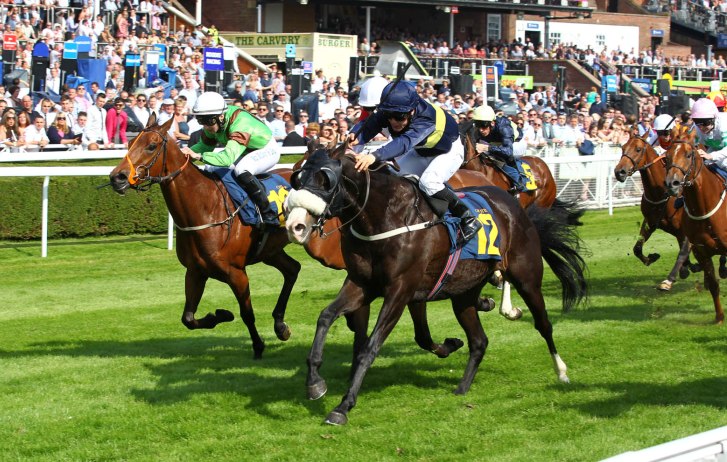
Most people land here because they’re trying to get their bearings: what thoroughbred racing in Australia actually is, why it matters, and how to read the sport beyond the noise of a big race day.
It helps to start with the basics—where the sport began, what makes a thoroughbred built for speed, how racehorses are trained and cared for, and why certain names and events keep returning like landmarks on a familiar track.
Thoroughbred racing in Australia: the quick picture
Thoroughbred racing is a long-running thread in Australian life, from local Saturday meetings to international events that pull crowds, headlines, and serious money. The centrepiece is the Melbourne Cup, first run at Flemington on 7 November 1861.1
Australia also sustains a large breeding and training pipeline, built around pedigrees recorded in the Australian Stud Book (first compiled in 1878). It’s less romance than record-keeping—names, dates, and bloodlines carefully pinned down so the industry can function with confidence.2
History and origins
From colonial meetings to organised racing
Racing arrived early in the colonies and gathered structure over time, with clubs, rules, and purpose-built courses replacing rough paddocks and improvised start lines. At Flemington, race meetings were held from 1840, and by the 1860s the Melbourne Cup was established as a major annual contest.1
The Australian Stud Book and breed integrity
The Australian Stud Book began in 1878, drawing together colonial records into a national register. It remains central to breed integrity—without accurate pedigrees, the “thorough” in thoroughbred starts to blur.2
Horses and people that shaped the story
Some names keep returning because they marked a change in scale or imagination. Phar Lap’s 1930 Melbourne Cup win sits firmly in national folklore, preserved not only in print but in surviving film held by Australia’s National Film and Sound Archive.3
In modern racing, Winx became the first horse to win the Cox Plate four times, finishing her career with a 33-win streak—an era that reset expectations of what sustained top-level performance can look like.4
Physical characteristics of thoroughbreds
What they look like (and why it matters)
Thoroughbreds are typically tall, lean, and long-limbed, with a deep chest and large heart-and-lung capacity suited to high-speed work. The familiar outline—sloping shoulder, powerful hindquarters, long stride—comes from generations of selection for racing performance.
Coat colours vary (bay and chestnut are common), but colour is mostly surface detail. What tends to matter on the track is the geometry underneath: efficient stride mechanics, sound limbs, and the ability to recover between hard efforts.
Speed in plain numbers
Well-conditioned thoroughbreds can reach roughly 60–70 km/h in top gear for short bursts, though they cannot hold a maximum sprint indefinitely.5
Racing and training
How racehorses are conditioned
Race training is a steady layering of fitness: controlled gallops, sharper pace work, recovery days, and careful monitoring for soreness or fatigue. Conditioning is designed to build aerobic capacity first, then add speed, then sharpen race-specific readiness—always with the horse’s soundness setting the ceiling.
Many stables also use low-impact work (such as swimming or treadmills) to build fitness while reducing concussion on legs. The details vary, but the principle is constant: fitness gained too quickly is often paid for later.
Major races that anchor the season
Australia’s racing calendar is dense, but a few events act like compass points. The Melbourne Cup remains the best-known, with other majors—such as the Cox Plate—holding their own gravity for owners, breeders, and racing fans.
Health and lifespan of thoroughbred racehorses
Common health issues in active training
Racehorses are athletes, and the workload can expose weak points. Soft-tissue injuries (including tendon and ligament strains) are a familiar risk, as are respiratory problems in some horses. Another widespread issue is equine gastric ulcer syndrome (EGUS), which is strongly associated with intensive training and management factors such as high-concentrate diets and intermittent feeding.6
Published veterinary reviews and reference texts report high ulcer prevalence in racehorses in active training—often around 90% or higher in some studied populations.6
How long do thoroughbreds live?
With normal care, many horses live into their mid-to-late twenties. A racing career is much shorter—often only a few seasons—because peak performance depends on soundness, appetite, recovery, and a long list of small margins that can shift quickly.
What “good care” looks like in practice
- Regular veterinary oversight during training blocks, with prompt attention to lameness and respiratory signs.
- Feeding that suits the job, balancing energy needs with gut health (a major theme in ulcer prevention and management).6
- Teeth, hooves, and routine maintenance, because small problems in either can quietly unravel performance.
- A realistic plan after racing, as many thoroughbreds transition well to second careers when retrained patiently.
Breeding and bloodlines
Why pedigrees matter so much
In thoroughbred racing, breeding isn’t a side story—it’s the scaffold. Pedigrees help breeders predict likely aptitudes (speed versus stamina, early maturity versus later development), while also managing genetic risks. The Australian Stud Book underpins this by maintaining a recognised national record of thoroughbred lineage.2
Breeding decisions and performance
Selective breeding aims to match physical type, performance history, and pedigree patterns. Even with careful planning, outcomes remain uncertain. A pedigree can suggest potential, but it cannot guarantee soundness, temperament, or the luck required to stay healthy through training.
Economic and cultural impact in Australia
More than the track
Racing’s cultural footprint is obvious on big days—crowds, clothing, and the public rituals that gather around spring carnivals. Its economic footprint is less visible but measurable, particularly in regional areas where breeding, spelling, and training are major employers.
One recent Australian industry report (focused on thoroughbred breeding) estimated the breeding sector contributed $1.68 billion to the national economy in 2022–23 and supported 9,268 full-time equivalent jobs.7
Fun facts (kept honest)
- The Melbourne Cup began in 1861, and it has been run at Flemington ever since.1
- Thoroughbreds can run at car-speed for short bursts, often around 60–70 km/h in top gear.5
- Winx won four Cox Plates, a record that still stands as a rare peak of sustained performance at the highest level.4
Final thoughts
Thoroughbred racing in Australia sits at the intersection of animal athleticism, careful breeding records, and a public calendar that still makes room for a Tuesday in November. Watch closely and the sport becomes less about spectacle and more about patterns: conditioning, soundness, timing, and the quiet work that happens when the grandstands are empty.
References
- Victoria Racing Club (VRC) – The history of the VRC (includes first Melbourne Cup run on 7 November 1861)
- Australian Stud Book (Racing Australia) – About the ASB (history and establishment in 1878)
- National Film and Sound Archive of Australia – Phar Lap wins the 1930 Melbourne Cup
- ABC News – Winx wins an unprecedented fourth Cox Plate (27 October 2018)
- National Equine – How fast can a horse run? (includes typical thoroughbred speed ranges)
- Merck Veterinary Manual – Gastric ulcers in horses (EGUS risk factors and prevalence estimates)
- Thoroughbred Breeders Australia / AgriFutures Australia – Economic impact of Australia’s thoroughbred breeding industry (2022–23)

Veterinary Advisor, Veterinarian London Area, United Kingdom