
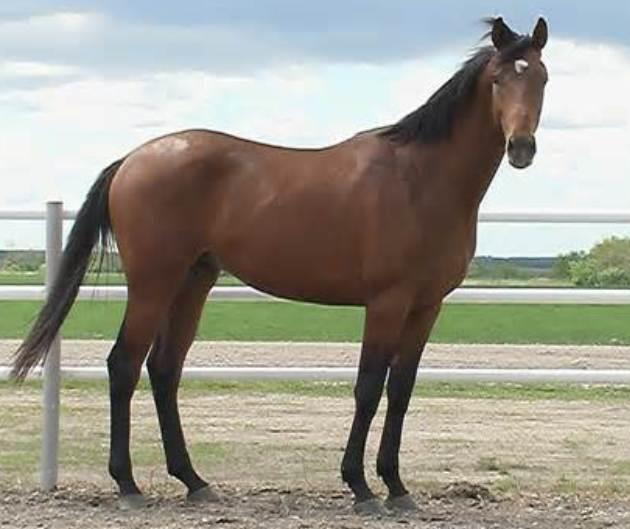
People usually look up Thoroughbreds when they’re weighing up a purchase, taking on an off-the-track retraining project, or trying to understand why this lean, bright-eyed horse behaves so differently to a heavier, steadier breed. The details matter: the wrong expectations can mean avoidable injuries, stress in the horse, and a frustrating mismatch between rider and mount.
Below is a clear, practical picture of the Thoroughbred—where the breed came from, what “typical” looks like, what they’re like to handle, and the everyday care points that keep them sound and settled.
Thoroughbred at a glance
- Origin: England (late 17th to early 18th century development)
- Height: commonly around 15.2–17 hands (varies by line and purpose)
- Build: long-limbed, deep-chested, athletic frame designed for speed and stride length
- Common coat colours: bay, chestnut, brown, black, grey
- Common uses: flat racing, eventing, show jumping, dressage, pleasure riding (often after retraining)
- Typical lifespan: often well into the 20s with good care (individuals vary)
History and origin
The Thoroughbred took shape in England through selective breeding for speed and stamina, using imported stallions and local mares. The breed’s early development is often linked to three widely recognised foundation sires: the Darley Arabian, the Godolphin Arabian, and the Byerley Turk.1, 2
Over time, Thoroughbreds became the dominant horse of the racetrack, and their influence spread well beyond racing. In Australia, the breed is closely tied to both racing and breeding, with official pedigrees and breeding records maintained through the Australian Stud Book.3
Physical characteristics
A Thoroughbred is built like a distance runner: long, light limbs; a deep heart-and-lung space; and a body that tends to be lean rather than bulky. That shape supports efficient oxygen use and a long stride—useful on the flat, and also valuable in many modern ridden disciplines.
Common features include a refined head, prominent wither, sloping shoulder, deep chest, and strong hindquarters. Many Thoroughbreds look “all angles” when they’re young, then fill out with correct feeding and steady work.
Temperament and behaviour
Thoroughbreds are often described as intelligent, forward, and sensitive. Sensitivity isn’t a flaw. It simply means they tend to notice changes—pressure, balance, routine, environment—quickly, and they can respond quickly as well.
In practical terms, many do best with:
- quiet, consistent handling
- clear boundaries (the same rules, every day)
- short, well-timed training sessions
- enough turnout and movement to let the mind settle
Common uses in Australia
Racing remains the Thoroughbred’s most visible job, but it’s only part of the picture. Many Thoroughbreds transition into sport and pleasure riding, where their athleticism and work ethic can shine once they’ve been retrained for a different kind of balance and pace.
In racing, distances vary widely, but Australia’s best-known handicap race—the Melbourne Cup—is run over 3,200 metres at Flemington on the first Tuesday in November.4
Breeding, registration and industry bodies (Australia)
If you’re buying, breeding, or simply checking a pedigree, it helps to know who keeps the official records. In Australia, the Australian Stud Book’s stated mission is to ensure the integrity of Thoroughbred breeding, including recording and publishing breeding lines to international standards.3
Racing Australia also plays a central role in administering the Rules of the Australian Stud Book and the Australian Rules of Racing, following the merger that formed Racing Australia Pty Ltd and later Racing Australia Limited in 2015.5
Training: what tends to work
Thoroughbreds usually respond best to training that is fair, precise, and unhurried. Because many are quick to react, heavy hands and rushed progress can create tension that looks like “naughtiness”, when it’s often confusion or discomfort.
Useful training principles include:
- Build the base first: straightness, rhythm, and relaxation before speed or height.
- Use repetition without drilling: a few good steps, then a break.
- Keep the body comfortable: saddle fit, teeth, feet, and nutrition matter as much as technique.
Care and maintenance essentials
Day-to-day care for a Thoroughbred is not mysterious, but it is exacting. These horses tend to thrive on routine: consistent feed times, regular turnout, and calm handling.
- Feet: maintain a regular farrier schedule and watch for heat, digital pulse, and changes in stride.
- Teeth: routine dental checks help prevent weight loss, fussiness in the contact, and feed dropping.
- Condition: aim for steady, healthy weight—neither ribby nor cresty—adjusting feed with workload and season.
- Movement: turnout and low-stress exercise support both digestion and soundness.
Health concerns to watch
Colic
Colic is a broad term for abdominal pain, and it can range from mild to life-threatening. It’s common enough in horses that every owner should know the early warning signs (repeated pawing, looking at the flank, lying down more than usual, reduced manure, poor appetite) and have an action plan with their vet.6
Gastric ulcers (EGUS)
Performance horses are at increased risk of equine gastric ulcer syndrome (EGUS), and signs can be subtle—changes in appetite, girthiness, loss of condition, dull coat, behaviour changes under saddle. Definitive diagnosis is made via gastroscopy (endoscopy).7
Laminitis and lameness
Laminitis can occur in any breed. In Thoroughbreds, it’s often discussed alongside management factors such as diet, workload changes, and underlying illness. More broadly, lameness risks rise with hard ground, poor shoeing, inappropriate workload, or untreated pain elsewhere in the body.
Famous Thoroughbreds (and why they matter)
Some Thoroughbreds become reference points—useful not because every horse is a champion, but because they show what selective breeding can produce. Secretariat’s 1973 Triple Crown remains one of the sport’s most cited achievements, and it’s well documented by the National Museum of Racing and Hall of Fame.8
In Australia, Phar Lap remains the best-known Thoroughbred in the national imagination, remembered for his racing record and lasting cultural footprint.9
Final thoughts
A Thoroughbred is often at its best when life is steady: clear handling, enough movement, careful feeding, and a training plan that builds strength without lighting the fuse. Get those basics right and the breed’s defining qualities—athleticism, alertness, and grit—tend to surface quietly, day by day.
References
- Darley Arabian (foundation sire) — Wikipedia
- Godolphin Arabian (foundation sire) — Wikipedia
- Australian Stud Book — About the ASB
- Melbourne Cup — Encyclopaedia Britannica
- Racing Australia — History
- Overview of colic in horses — MSD Veterinary Manual
- Gastric ulcers in horses (EGUS) — MSD Veterinary Manual
- Secretariat and the Triple Crown (50th anniversary note) — National Museum of Racing and Hall of Fame
- Phar Lap — Australian Museum

Veterinary Advisor, Veterinarian London Area, United Kingdom