
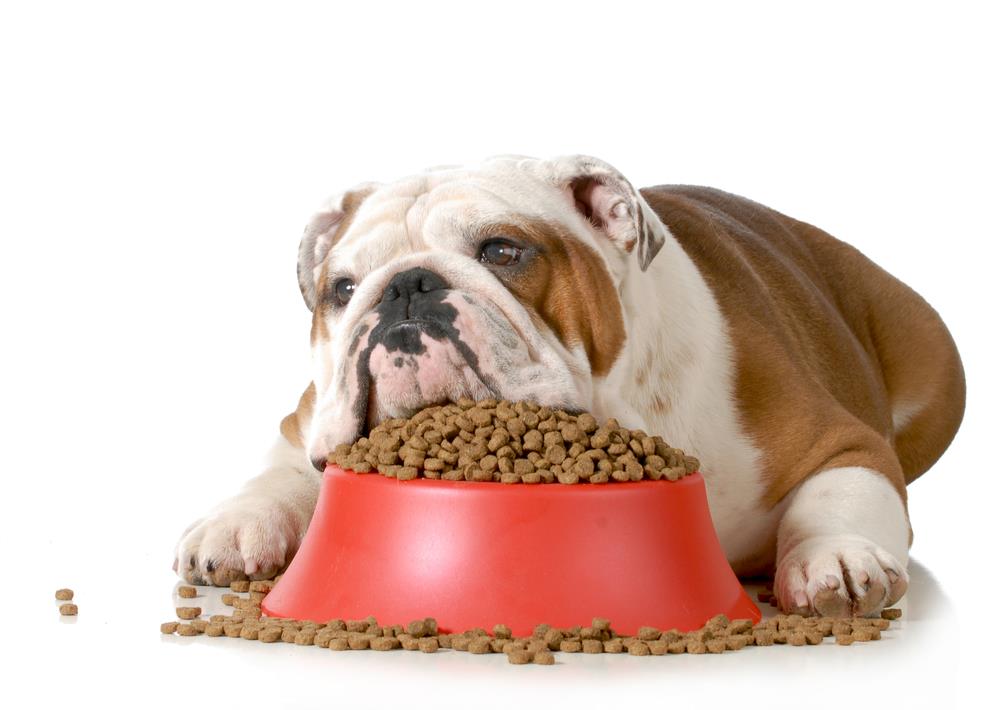
You usually notice it in the small, everyday moments: a collar that’s suddenly tight, a cat that doesn’t jump as easily, a dog that runs out of puff on the same old walk. Most people who search about overfeeding pets are trying to answer one urgent question—am I feeding the right amount, or quietly feeding a problem?
Overfeeding rarely looks dramatic at first. It works slowly, layering extra body fat over months, then leaning on joints, changing breathing, and raising the risk of long-term disease. In Australia, an estimated 41% of dogs and 32% of cats are classified as overweight or obese, so this is common, not a personal failing.1
Pet nutrition basics (without the fluff)
A good diet for dogs and cats is less about trendy ingredients and more about meeting needs reliably: enough protein and essential fats, plus vitamins and minerals in the right balance. The most practical shortcut is to choose a diet labelled “complete and balanced” for your pet’s life stage, then adjust the amount based on body condition and activity—not on the feeding guide alone.2
Balance matters, but quantity decides the outcome
Even a high-quality food can cause weight gain if portions drift upwards. Small “extras” count too: treats, dental chews, table scraps, and the well-meaning second scoop when the bowl looks empty.
Portion control is a health tool, not a punishment
For most pets, weight management comes down to matching energy intake (food) to energy use (movement and metabolism). When intake stays higher than need, the surplus is stored as body fat. Once that pattern sets in, it tends to hold its ground unless something changes.
What overfeeding does to pets
Overfeeding is not simply “a bit of extra weight”. Excess body fat is linked with a long list of knock-on effects, and many of them are easiest to prevent early—before a pet is clearly obese.3
Short-term effects you can usually see
- Steady weight gain (often subtle week to week, obvious over a season)
- Less stamina on walks or play, especially in warm weather
- Changes in shape: waist disappears, belly hangs lower, fat pads become noticeable
Long-term health risks (the quiet accumulation)
Carrying extra weight increases the likelihood of osteoarthritis and mobility problems, and it’s associated with broader health issues that reduce quality of life over time.3
There’s also evidence that even being merely overweight—not just severely obese—can shorten a dog’s lifespan. In a large study of neutered client-owned dogs across multiple breeds, dogs in an overweight body condition had a shorter median lifespan than those in normal condition (the size of the difference varied by breed).4
The rising trend of pet obesity
Extra weight has become one of the most common, normalised health problems seen in companion animals. In the UK, veterinary professionals surveyed by PDSA estimated that 46% of dogs are overweight or obese.5
Australia is not immune. As noted above, an Australian estimate commonly cited is 41% of dogs and 32% of cats classified as overweight or obese.1
Why overfeeding is such an effective driver of obesity
The main mechanism is simple: calories add up faster than most people expect, especially in smaller animals. A modest daily “top-up” can be enough to tip the balance over weeks and months.
Two patterns show up often:
- Portions based on the scoop, not the pet (cups and scoops drift; scales don’t)
- Multiple feeders (two people each giving “just a little”)
Other health implications of overfeeding
Diabetes mellitus risk (especially in cats)
Obesity is a major risk factor for diabetes in cats, and it can also complicate health management in dogs. If your pet is gaining weight quickly, or is drinking and urinating more than usual, don’t wait—book a vet visit.3
Heart and breathing strain
Extra body fat increases the workload on the body. In some dogs, particularly those already prone to breathing difficulty, excess weight can aggravate existing problems and reduce heat tolerance.3
Joint and mobility problems
Weight sits heavily on hips, knees, elbows and the spine. Mobility often declines gradually: fewer jumps, slower stairs, shorter walks. Sometimes the first sign is simply a pet choosing rest more often because movement costs more.3
Behaviour and wellbeing: what’s real, and what’s often blamed on food
Pets can learn strong feeding routines. If food appears whenever a person moves through the kitchen, the behaviour that precedes food (following, hovering, vocalising) can become more frequent. That doesn’t mean a pet is “addicted” or “obsessed” in a human sense; it’s often straightforward learning and reinforcement.
Be cautious with claims that overfeeding directly causes “depression” in pets. What is well supported is that obesity can reduce comfort, mobility and quality of life, and that these changes can alter how a pet behaves day to day.6
Don’t let the packet feed your pet
Pet food packaging is designed to sell food, not to measure your pet. Feeding guides can be a starting point, but they often need adjustment for age, desexing status, activity level, and whether treats are part of the daily routine.
A more reliable approach is to check body condition regularly and use your vet team to set targets and review progress. Global veterinary guidelines recommend that a nutritional assessment be part of routine veterinary care, including checking body condition score (BCS).2
Practical ways to prevent overfeeding (and reverse it safely)
Use body condition, not guesswork
Body Condition Score (BCS) gives you a shared language with your vet: ribs should be easy to feel with a light covering of fat, and your pet should have a visible waist (in most breeds and body types). On a 9-point scale, an ideal is typically around 4–5/9.7
Measure food accurately
- Use kitchen scales for dry food when possible.
- Keep treats to a planned amount, not a reflex.
- Get everyone in the household on the same page (one plan, one daily total).
Book regular weigh-ins
Regular check-ups make weight change visible early, when small adjustments work best. Many clinics will do quick weigh-ins and BCS checks, which helps you stay ahead of slow gain.2
Exercise supports the plan—but diet sets the direction
Movement helps maintain muscle, supports joints, and improves overall fitness. But most weight loss still comes from reducing calorie intake. If your pet has mobility issues, ask your vet about low-impact options and a pace that keeps them comfortable.
Conclusion: the real danger of overfeeding pets
Overfeeding is rarely a single decision. It’s a pattern: slightly too much food, slightly too often, with weight gain that arrives quietly. Given how common overweight and obesity are in Australian dogs and cats, it’s worth checking your pet’s body condition now, even if they seem “fine”.1
The most reliable path is also the simplest: feed a complete and balanced diet, measure portions, limit extras, and use your vet team to track body condition over time.2
References
- RSPCA Pet Insurance (Australia) — “5 signs of pet obesity – and what to do about it”
- World Small Animal Veterinary Association (WSAVA) — Global Nutrition Guidelines
- Merck Veterinary Manual — Obesity in Dogs
- Salt C, Morris PJ, Wilson D, Lund EM, German AJ. “Association between life span and body condition in neutered client-owned dogs.” Journal of Veterinary Internal Medicine (2019) (PMC full text)
- PDSA — Animal Wellbeing (PAW) Report 2023: Dogs (vet professionals’ estimates of overweight/obesity)
- American Veterinary Medical Association (AVMA) — Press release (21 March 2024) on pet obesity, quality of life, and lifespan concerns
- US FDA (Animal Health Literacy) — Summary of AAHA Nutritional Assessment Guidelines and Body Condition Score ranges

Veterinary Advisor, Veterinarian London Area, United Kingdom