
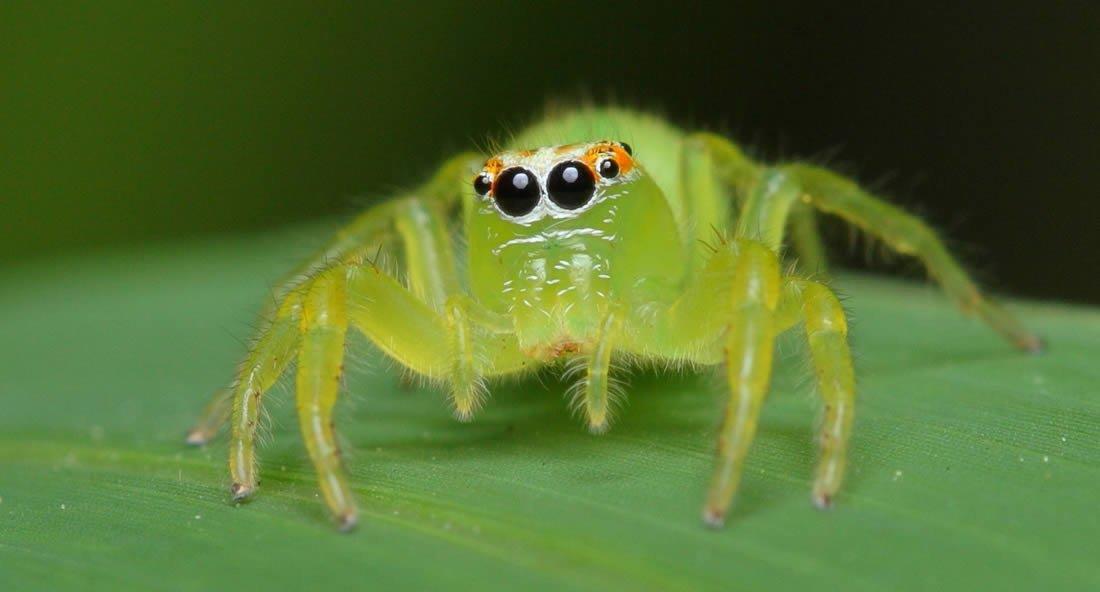
People usually start looking into pet spiders for one of two reasons: they want a quiet, low-space animal to observe, or they’re checking whether keeping a spider at home is safe, legal, and humane. Both matter—because the wrong setup can harm the spider, and the wrong species (or source) can create real risk for you, the environment, and Australia’s biosecurity rules.
Spiders aren’t “no-care” pets. They’re simply less interactive than most animals, with needs that are steady and specific: the right enclosure, the right temperature and humidity, the right prey, and a calm, predictable routine. Get those right and a spider can live quietly, almost like a small, watchful weather system behind glass.
Are spiders actually low-maintenance pets?
Compared with dogs, cats, and even many birds, most commonly kept pet spiders have modest day-to-day demands. They don’t need walks, companionship, or constant handling. They do need consistent husbandry: clean water, appropriate prey, correct ventilation, and an enclosure that prevents escapes and injuries.
“Low-maintenance” mostly means the work comes in small, careful moments rather than daily interaction—checking the water dish, removing leftover prey, and watching for subtle signs of stress or dehydration.
Choosing a species: start with temperament and husbandry
Some spiders are more forgiving of beginner mistakes than others, and some are simply a poor match for home keeping due to speed, defensiveness, venom significance, or strict environmental needs. Before you choose, read species-specific care guidance from reputable veterinary or institutional sources, and be honest about your comfort level with an animal that is fast, fragile, and not meant to be held.
Many people start with tarantulas because they’re widely kept and their needs are well described, but even within tarantulas there’s a wide range of temperaments and environmental requirements.
A note on “safe” and “non-venomous” spiders
All spiders are venomous to some degree; venom is how they subdue prey. The practical question is whether a species is medically significant to humans, and how likely it is to bite or cause other irritation (such as urticating hairs in some tarantulas). Avoid any claim that “most pet spiders aren’t venomous”—it’s misleading. Instead, choose species known to be manageable in captivity and treat every spider with respectful caution.
Legal and ethical basics in Australia
Australia’s rules vary by state and territory, and they can change. In many places, keeping native wildlife can require a licence, and there are strict controls on buying, selling, and moving animals. For example, Queensland’s native animal licensing framework sets out licence types and requirements for keeping protected animals, including spiders and scorpions, and advises buyers to purchase only from licensed sellers where required.1, 2
Just as important: importing invertebrates as pets is not permitted. Australia’s biosecurity settings are designed to prevent new pests and diseases becoming established, and the government advice is explicit that terrestrial and aquatic invertebrates (including spiders and scorpions) cannot be imported as pets.3, 4
Housing: what a spider enclosure must do
A good spider enclosure does three things: it prevents escape, it maintains the right microclimate, and it lets the spider behave naturally without constant disturbance.
- Escape-proof and secure: tight-fitting lid, no gaps around vents, and furnishings that don’t allow the spider to lever a door open.
- Species-appropriate ventilation: enough airflow to reduce mould, but not so much that humidity collapses for species that need it.
- Correct space and layout: terrestrial burrowers need depth and a hide; arboreal species need height, anchor points, and vertical cover.
- Substrate and structure: stable, non-toxic substrate; hides; cork bark; and climbing surfaces as appropriate.
- Water: a shallow, stable dish for many species; for very small spiders, safer hydration methods may be needed to avoid drowning risk.
Keep enclosures out of direct sun and away from heaters and drafts. Sudden temperature spikes can be lethal in a small glass box.
Feeding: simple, but not casual
Most pet spiders are obligate carnivores. In captivity they are typically fed live invertebrate prey sized appropriately for the spider. Feeding frequency depends on species, age, temperature, and whether the spider is in premoult. Overfeeding is common in captivity; spiders are built for feast-and-famine cycles.
Skip the advice to add fruits and vegetables to a spider’s diet. Spiders don’t need produce; instead, focus on providing healthy feeder insects and keeping water available. If you keep feeder insects, maintain good hygiene around their containers and food.
Feeding and moulting
Moulting is the vulnerable centre of a spider’s life cycle. During premoult and moulting, live prey can injure a spider. A cautious approach is to stop feeding when premoult signs appear and remove uneaten insects promptly.
Handling: the safest spider is the one you don’t hold
Handling is where most problems happen: bites, falls, and stress. A spider’s exoskeleton protects it in many ways, but it doesn’t protect it from gravity—short falls can be fatal, especially for heavier-bodied species.
When you need to move a spider, use a calm “catch cup” method with a clear container and a flat card, and work low to the ground. Treat every spider as capable of biting, and never handle near your face.
Health, hygiene, and realistic risks
The biggest routine risk with many exotic pets isn’t a dramatic bite—it’s poor hygiene around enclosures, feeder insects, and cleaning tools. While most public health guidance focuses on reptiles and amphibians, the hygiene principles are still useful: wash hands after contact with the animal or its environment, keep habitat equipment out of food-prep areas, and supervise children around animal enclosures.5, 6
If you’re allergic or asthma-prone, be aware that some tarantulas can flick urticating hairs, which may irritate skin, eyes, and airways. Avoid close face-level interaction and consider keeping the enclosure in a well-ventilated room.
Common misconceptions worth correcting
- “Most pet spiders aren’t venomous.” Spiders are venomous; what varies is medical significance and likelihood of a defensive bite.
- “They don’t need much care.” They need consistent environmental conditions and appropriate feeding and cleaning routines.
- “They like being handled.” Handling is generally for the keeper’s benefit, not the spider’s welfare.
- “Any spider from the garden will do.” Wild-caught spiders may be protected, may be poorly suited to captivity, and removing wildlife can be illegal and harmful.
Finding a reputable source (and avoiding illegal trade)
Buy only from sources that can clearly tell you the species, its origin, and its care requirements, and that follow your state or territory rules for licensing and record-keeping where applicable. Queensland’s guidance, for instance, explicitly advises buyers to check licences and purchase only from licensed sellers where required.2
Avoid any seller offering imported “exotics” or shipping that looks like it’s designed to bypass controls. Australia treats illegal wildlife movement seriously, with strong penalties under federal wildlife trade law and biosecurity rules.3, 7
Final thoughts
A pet spider suits people who enjoy stillness and detail—watching silk laid down, a retreat rebuilt, prey sensed through vibration rather than sight. Keep the setup simple, the routine steady, and the handling rare. Choose legality and welfare over novelty, and you’ll have a small, quiet animal that does what spiders do best: live with minimal fuss, as long as the world around it stays predictable.
References
- Queensland Government — Licences to keep, use or display native animals
- Queensland Government — Keeping native animals (buying from licensed sellers)
- Department of Agriculture, Fisheries and Forestry (Australia) — Unique or exotic pets (invertebrates not permitted as pets)
- Department of Agriculture, Fisheries and Forestry (Australia) — Importing live animals and reproductive material
- CDC — Reptiles and Amphibians (Healthy Pets, Healthy People): hygiene and Salmonella risk
- US FDA — Salmonella, feeder animals, and hygiene tips for reptile/amphibian keeping
- Australian Government (DCCEEW) — Wildlife trade and the law (penalties)
- Australian Government (DCCEEW) — Wildlife trade FAQs (penalties overview)

Veterinary Advisor, Veterinarian London Area, United Kingdom