
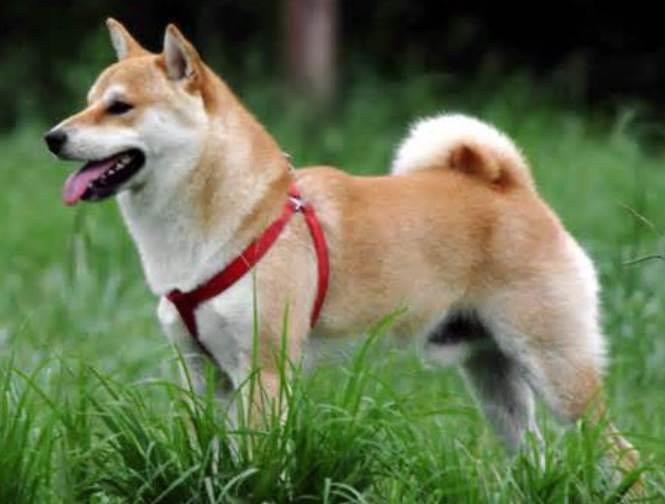
People usually end up searching “Shiba Inu” when they’re weighing up whether this compact Japanese spitz will fit their household — or when they’ve already met one and want to understand the breed’s mix of tidy manners, sudden bursts of athleticism, and that famously firm sense of self.
A Shiba can be a steady, watchful companion, but the same traits that make them striking can also turn into everyday friction if you expect an easygoing, off-lead social butterfly. Here’s what matters most: where the breed comes from, what they’re like to live with, and the practical care that keeps them healthy and manageable.
Shiba Inu at a glance
- Type: small Japanese spitz; originally a hunting dog, now commonly a companion dog1
- Build: compact, well-muscled; quick, brisk movement1
- Coat: harsh, straight outer coat with a soft, dense undercoat (“double coat”)1, 3
- Typical lifespan: often around 12–15 years6
History and origin
The Shiba Inu is one of Japan’s native spitz-type breeds. The modern breed was shaped by regional dogs used for hunting birds and small animals, then later consolidated under formal breed standards in the early 20th century as pure lines became scarce.1
In Australia’s published breed standard notes, the breed standard was unified in 1934, and the Shiba was designated a “natural monument” in 1937 — a moment that reflects how seriously Japan regarded the breed’s preservation after steep population losses.1
Physical characteristics
A Shiba Inu is small but not delicate: a sturdy, balanced dog with a fox-like head, pricked triangular ears, and a thick tail carried curled over the back.1
Coat colours commonly described in breed standards include red, black and tan, and sesame (with variations). The standard also describes “urajiro” — pale/whitish areas on the muzzle sides, cheeks, underside, chest, belly, underside of tail, and inside the legs.1
Temperament and behaviour: what living with a Shiba is like
Shibas are widely described as alert, agile, and independent. Many are reserved with strangers, and some can be selective with other dogs, particularly without careful early social experiences and ongoing skills practice.7, 8
They’re often clean, fastidious dogs — the sort that can keep themselves tidy and dislike feeling trapped or handled roughly. That doesn’t make them “cat-like” in a technical sense, but it can feel that way in day-to-day life: they notice everything, decide quickly, and don’t always negotiate.7
Children and other animals
A Shiba can live well with children when introductions are calm and consistent, and when kids are taught to give the dog space, avoid grabbing, and stop interaction before the dog feels crowded. With other pets, the breed’s hunting background matters: many Shibas have a strong chase instinct, so management and careful introductions are more than a formality.1, 7
Training and socialisation
Shibas tend to learn quickly, but they don’t always see the point of repetition. Training usually goes best when it’s short, reward-based, and built around the dog’s real motivations (food, play, access to sniffing, space to move).2, 5
Australian RSPCA guidance supports reward-based training (positive reinforcement) and warns against punishment-based approaches, which can increase stress and worsen behaviour over time.2
A practical approach that suits the breed
- Start early and keep it gentle: the RSPCA notes a critical socialisation window from about 3 to 12–14 weeks, where positive exposure helps reduce later fear and reactivity.5
- Make “handling” normal: calmly practise being touched (collar, paws, ears) in tiny steps, paired with rewards, so grooming and vet visits aren’t a wrestling match later.
- Assume a strong prey drive: many Shibas are safest on lead in open areas; off-lead reliability varies widely and can be undermined by chasing.7
Exercise needs and enrichment
Most Shibas do well with daily walks plus short, purposeful play or training sessions. They’re agile and quick, and they often enjoy activities that use their nose and problem-solving skills — sniffy walks, food puzzles, and simple “find it” games at home.
Because they can be swift and opportunistic, secure fencing and a secure harness or lead setup matters more than it does for many similarly sized companion breeds.7
Grooming and coat care
The Shiba Inu’s double coat doesn’t need trimming, but it does shed. Many owners notice heavier seasonal sheds (“blowing coat”) once or twice a year, when brushing becomes a daily job for a few weeks.3, 4
- Routine: weekly brushing most of the year; increase frequency during heavy sheds.3
- Bathing: occasional baths are usually enough; over-washing can strip oils and irritate the skin.3, 4
- Nails, ears, teeth: basic maintenance prevents most avoidable discomfort. Daily toothbrushing is widely recommended by veterinary dental professionals as the most effective home habit for dental health.9
Health and lifespan
Shiba Inus are often described as a generally robust breed, with a commonly cited lifespan of around 12–15 years, though individuals vary with genetics, weight, and overall care.6
Like all purebred dogs, they can be predisposed to certain conditions. Sources commonly mention joint problems (including hip dysplasia and patellar luxation) and eye disease (including glaucoma and cataracts), as well as allergies in some lines.4, 6, 7
If you’re choosing a puppy, ask what health screening is done in the parents, and request documentation where possible. If you already have a Shiba, keep weight steady, keep activity regular, and treat changes in gait, itching, or eye appearance as reasons to book a vet visit promptly.
Quiet quirks: the “Shiba scream” and other surprises
Some Shibas produce a high-pitched vocalisation often nicknamed the “Shiba scream”, especially during restraint (like nail trims) or intense excitement. It’s not a reliable indicator of pain on its own, but it is a reminder that many Shibas dislike being manhandled and do best with slow, cooperative care routines built on trust and rewards.3
Final thoughts
A Shiba Inu suits people who appreciate a small dog with presence — alert, athletic, and particular about how the world should feel. Give them structure without force, social experiences without flooding, and a home that respects their space, and you often get a companion who is clean, watchful, and quietly devoted in their own restrained way.2, 7
References
- Dogs NSW — Shiba Inu breed standard
- RSPCA Australia Knowledgebase — Reward-based dog training (positive reinforcement)
- Vetstreet — Shiba Inu grooming and shedding
- PetMD — Shiba Inu breed health and care
- RSPCA Australia Knowledgebase — Training recommendations and the critical socialisation period
- Orvis — Shiba Inu overview (life expectancy, grooming, common health issues)
- Association of Nihon Ken — Shiba Inu temperament and general notes
- United Kennel Club (UKC) — Shiba breed standard (temperament notes)
- Pet Circle — Dental care for dogs (daily toothbrushing guidance)

Veterinary Advisor, Veterinarian London Area, United Kingdom