
Most people land on Shagya or Gidran pages when they’re trying to identify a horse, check whether a “type” is a recognised breed, or decide if one of these Hungarian Anglo-Arab lines suits their riding goals. The details matter: these horses can look distinctly “Arabian”, yet their history sits in European studbooks, with selection for military, carriage and sport work.
Below is a clear, practical guide to the Shagya Arabian and the Gidran (often described as a Hungarian Anglo-Arab). It keeps the romance in the background and puts the reliable markers up front: origins, build and colour, what they tend to be good at, and the basics of care that apply in Australian conditions.
Quick facts (at a glance)
Shagya Arabian
- Typical height: around 15–16 hands (some individuals larger or smaller)3
- Colours: grey is common; bay, chestnut and black also occur3
- Type: Arabian-derived, selected for more size and substance than a “straight” Arabian2, 7
Gidran (Hungarian Anglo-Arab)
- Typical height: commonly in the mid–15 hands range (studbook minimums may apply)1, 4
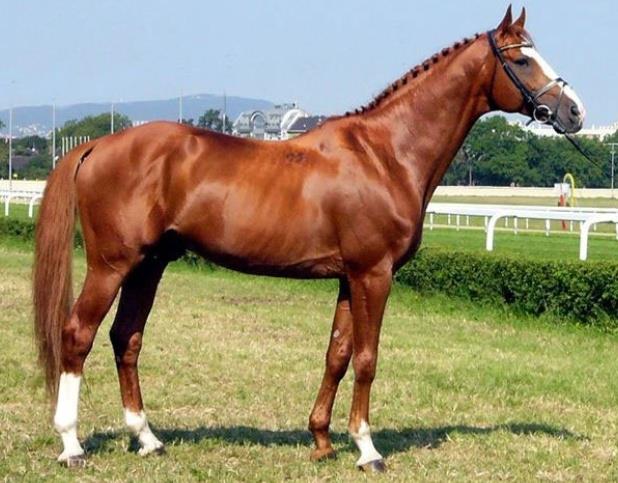
- Colours: chestnut (the breed is described as exclusively chestnut in breed references)1, 4
- Status: rare/endangered, with a very small global population reported in breed references1
Origin and history
Shagya Arabian: The Shagya was developed through the 19th century within the Austro-Hungarian Empire’s state stud system, with key centres including Bábolna and Mezőhegyes. The goal was a horse with the hardiness and endurance associated with Arabian blood, but with more size and carrying capacity for military and general riding use.2, 7
Gidran: The Gidran was developed in Hungary at the Mezőhegyes State Stud from the early 1800s, beginning with a desert-bred Arabian foundation sire (Siglavy Gidran), and later incorporating Thoroughbred influence as the breeding program evolved. In modern references it is often described as a Hungarian Anglo-Arab.1, 4, 5
Both breeds sit in the wider story of Central European stud breeding, where careful record-keeping and selection shaped distinct “old Austrian”/regional lines that influenced later warmblood populations.7
How they look and move (practical identifiers)
Shagya Arabian: the taller, more substantial “Arabian-shaped” horse
Shagyas often read as Arabian at first glance—refined head, alert expression—then you notice the extra frame: more bone, more depth through the body, and a longer, roomier outline that suits distance work and carrying an adult rider comfortably. Grey is common, but bay, chestnut and black occur.3
Gidran: chestnut Anglo-Arab with sport and utility roots
The Gidran is consistently described as chestnut in breed references, which makes colour one of the quickest checks. In outline they tend to look like an Anglo-Arab: more length and “engine” through the body than many pure Arabians, with enough refinement to stay quick and athletic.1, 4
Temperament and ride feel
Both breeds are commonly marketed as intelligent and energetic. In real barns, what you tend to see is sensitivity to handling and routine—horses that thrive on clear, steady cues rather than constant correction. Temperament still varies with training, breeding, turnout, feed, and pain (especially feet and teeth), so it’s worth judging the individual rather than assuming every horse will be “calm”.8, 9
Uses and disciplines
Shagya Arabians are widely associated with endurance and all-round riding, and they’re also seen across dressage, jumping and eventing where an agile, economical mover is valued. Gidrans, as Anglo-Arabs, are often placed in the general sport-and-harness spectrum: riding, jumping, dressage-type work, and some driving, depending on the individual and the program behind it.2, 4, 5
Breeding and bloodlines (what “pure” means here)
Shagya Arabian: Shagya breeding is managed through established studbook systems that trace to the historic state studs. Depending on the registry and how a source defines “Arabian”, the Shagya is variously described as a distinct breed, a subtype, or a part-bred/Anglo-Arab-influenced population—reflecting that its development included selected non-Arabian input while maintaining a predominantly Arabian type.2
Gidran: The Gidran’s development began with Arabian foundation stock at Mezőhegyes, with Thoroughbred influence added later, and Shagya stallions also used in some phases of breeding to stabilise the desired type. Modern references commonly frame it as a Hungarian Anglo-Arab.1, 4, 5
Care and management in Australia (steady basics that matter)
These horses don’t require “special” care because of their names. They do, however, tend to do best when management is consistent and a little conservative—enough forage, clean water, regular checks, and work that builds fitness without rushing it.
Feeding and water
- Clean water, always: practical guides commonly cite around 30 litres/day for an adult horse, with needs increasing in heat and work.10
- Base the diet on roughage: pasture and hay first, then adjust concentrates only when workload and condition truly call for it.10
- Avoid big, grain-heavy meals in lightly worked horses: welfare codes note this can contribute to unpredictable behaviour and health issues.8, 9
Feet, teeth, parasites, and routine checks
Soundness and “attitude” are often tied to plain maintenance. Regular hoof care, dental checks, and a sensible parasite program (guided by your vet and local conditions) do more for rideability than any breed label. Welfare guidance also emphasises regular inspections and prompt treatment when something is off—lameness, weight loss, heat, swelling, dullness, changes in manure, or a horse that suddenly won’t stand quietly.8
Comparing them to other Arabian-related breeds
If you’re weighing a Shagya or a Gidran against a straight Arabian, think in terms of proportions and purpose. Shagyas were selected for a larger, more substantial riding horse while staying close to Arabian qualities of endurance and efficiency. Gidrans sit in the Anglo-Arab space—Arabian influence shaped by European sport and utility breeding, with chestnut colour as a consistent hallmark in breed descriptions.1, 2, 4
About “famous” Shagya and Gidran horses
Online lists often mix up influential Arabians, Anglo-Arabs, and horses significant in other registries. If you’re researching a particular horse, the trustworthy path is always the studbook and breeding records for that specific registry, rather than repeating viral name-drops that don’t match the breed’s documented history.
Final thoughts
The Shagya Arabian and the Gidran are best understood as products of disciplined state-stud breeding: horses shaped for real work, then refined for sport. If you’re choosing one, look past the label. Watch how the horse stands, how it steps away, how it copes with change, and whether its care history is steady. The rest—height, colour, pedigree—should support what the animal in front of you is already showing.
References
- Wikipedia: Gidran (horse breed overview and history)
- Wikipedia: Shagya Arabian (history and breed context)
- International Shagya-Arabian Society: Shagya-Arabian breed (height and colour notes)
- Oklahoma State University: Gidran Horses
- Mezőhegyes Stud Farm / MLOSZ: Gidran (breed history)
- Mezőhegyes Stud Farm / MLOSZ: Shagya Arabian (breed history)
- Wikipedia: Austrian Warmblood (context on Shagya and Gidran lines in Central Europe)
- Agriculture Victoria: Code of Practice for the Welfare of Horses (Revision 1)
- NSW DPI: Animal Welfare Code of Practice No 3 – Horses in riding centres and boarding stables
- Agriculture Victoria: Feed requirements of horses

Veterinary Advisor, Veterinarian London Area, United Kingdom