
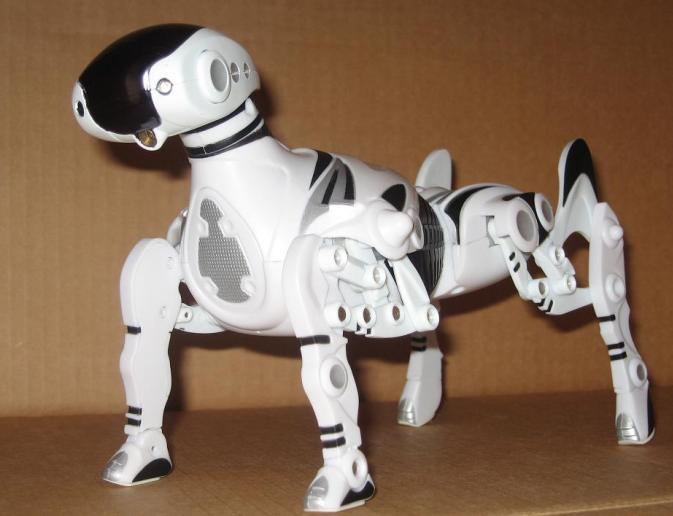
People usually start looking into a “robopet” for one of two reasons: they want a safer, lower-maintenance companion than a live animal, or they’re wondering whether a robotic toy can genuinely enrich a pet’s day. The details matter. Some devices are gentle and engaging; others are noisy, poorly built, or unsafe around small children.
The original draft also mentioned polocrosse, a completely separate equestrian sport. It’s not related to robotic pets, so it’s been removed to keep this page focused, accurate, and useful.
What “robopet” usually means
“Robopet” is a broad, informal term for interactive robotic animals—most commonly dogs, cats, and seal-like companions—designed to respond to touch, sound, movement, or voice. Some are simple toys for play. Others are built as companion devices used in aged care and disability settings, where the goal is calm interaction rather than high-energy play.
Because “Robopet” isn’t one single brand or model, it’s worth checking the specific product name, battery type, cleaning instructions, and whether it’s intended for use with animals, children, or adults.
Robopets for people: who they can suit (and who they may not)
Robotic companion pets are often chosen when a live pet isn’t practical—think rental restrictions, allergies, travel, or the realities of caring responsibilities in later life. Research on social robots (including pet-like robots) suggests potential benefits such as reduced agitation in dementia care settings, and small improvements in loneliness or mood in some groups, though the evidence varies by device, setting, and study quality.1, 2, 3
They’re not a replacement for human contact, good care, or a safe home environment. For many households, they work best as an extra source of stimulation and company, not the only one.
Common reasons people choose a robotic companion pet
- Lower day-to-day demands than a live animal (no feeding, toileting, or walking).
- Predictable behaviour (useful for some people who find animals unpredictable or overwhelming).
- Gentle interaction that can be calming in quiet environments such as aged care.
- A “trial run” for children learning routines and respectful handling—so long as adults are clear that a robot is not a live animal.
Robopets for pets: what to be realistic about
Some products are marketed as if they’re designed to “entertain your pet”, but many robopets are actually designed for humans. If you’re buying one for a dog or cat, think of it like any other moving toy: some animals will ignore it, some will be curious, and some will become over-aroused or frightened.
For pet use, the main questions are practical: can the device handle chewing, claws, drool, or rough play; does it have small parts; and is the sound or movement likely to stress your animal?
Simple safety check before letting an animal interact with a robopet
- Remove collars, strings, or accessories that could snag or be swallowed.
- Check for small detachable parts (eyes, buttons, covers) and avoid use if anything is loose.
- Keep sessions short at first, and supervise closely.
- Stop immediately if your pet shows signs of distress (cowering, freezing, frantic barking, trying to escape) or escalates into rough grabbing and shaking.
Types of robopets you’ll see on the market
The market changes quickly, but most robopets fall into a few predictable categories:
- Plush “companion” pets that respond to touch and sound (often used with older adults).
- App-controlled or voice-enabled pets with more complex behaviours and updates.
- Simple motion toys that roll, wriggle, or chirp—closer to a novelty toy than a companion device.
Choosing the right robopet: what to look for
Before you compare features, decide who it’s for: a child, an older adult, or an animal. Then work through the basics.
Practical checklist
- Power and charging: rechargeable is often easier than replaceable batteries, especially for frequent use.
- Battery safety: if it uses button/coin batteries, ensure the compartment is child-resistant and properly secured.4, 5
- Noise and movement: quieter is usually better in shared living spaces and calmer care settings.
- Cleaning: look for clear manufacturer guidance (especially for plush models used in healthcare or shared environments).
- Data and privacy: if it connects to Wi‑Fi or an app, read what it collects and how it’s stored.
Features and functions (and what they mean in real life)
Product listings tend to lean on impressive-sounding features. A more useful way to judge them is to ask what the feature changes day to day.
- Touch sensors: makes the interaction feel responsive, but also means the device needs gentle handling.
- Sound response: can be delightful in quiet rooms; can be irritating if it triggers constantly.
- Voice recognition: convenient when it works; frustrating when it doesn’t (especially with background noise).
- Obstacle detection and movement: helps it navigate, but moving parts increase wear and the chance of breakage.
Maintenance and care
Robopets don’t need feeding, but they do need basic care to stay safe and reliable.
- Cleaning: wipe hard surfaces with a slightly damp cloth; avoid moisture near charging ports and seams unless the manufacturer says otherwise.
- Regular checks: inspect for cracks, loose parts, and damaged battery covers—especially if children or animals handle it.
- Updates: if the robopet uses an app, install firmware/software updates so safety and connectivity issues are patched.
- Storage: keep out of heat and direct sun to protect batteries and plastics.
Button battery safety (non-negotiable in homes with children)
Many small electronic toys and novelty devices use button/coin batteries. In Australia, these batteries are a well-documented hazard: if swallowed, a button battery can lodge in the oesophagus and cause severe burns in as little as two hours.6, 7
If you suspect a child has swallowed or inserted a button battery, treat it as an emergency. Don’t wait for symptoms. Contact the Poisons Information Centre (13 11 26) for urgent advice, and call Triple Zero (000) immediately if there is bleeding or any breathing difficulty.6
Robopets and society: a measured view
Robopets can be helpful, especially where a live animal isn’t possible. They can also be disappointing if expectations are unrealistic. The most grounded approach is to treat them as tools: sometimes calming, sometimes playful, sometimes just a well-made toy that fills a quiet corner of the day.
Where they’re used in care settings, the best outcomes tend to come from thoughtful introduction, realistic framing, and consistent routines—rather than assuming the device will “fix” loneliness on its own.1, 2
References
- Effectiveness of Companion Robot Care for Dementia: A Systematic Review and Meta-Analysis (PubMed)
- The Effectiveness of Social Robots for Older Adults: A Systematic Review and Meta-Analysis of Randomized Controlled Studies (PubMed)
- Autonomous conversational agents for loneliness, social isolation, depression, and anxiety in older people: Systematic review and meta-analysis (Psychological Medicine, Cambridge Core)
- Products containing button and coin batteries mandatory safety standard (ACCC Product Safety)
- Products containing button and coin batteries mandatory information standard (ACCC Product Safety)
- Button batteries guide (ACCC Product Safety)
- Button batteries (Queensland Government)
- Button and coin batteries mandatory standards overview (ACCC Product Safety)

Veterinary Advisor, Veterinarian London Area, United Kingdom