
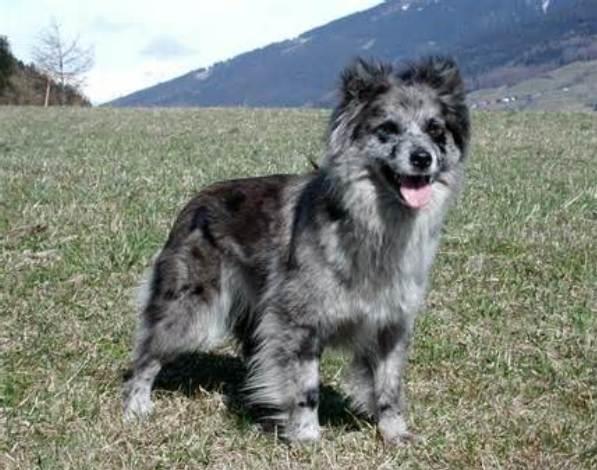
People usually go looking for Pyrenean Shepherd information for one of two reasons: they’ve met a small, quick herding dog with a scruffy coat and bright eyes, or they’re weighing up whether this breed will actually fit their household and routine. The details matter. A Pyrenean Shepherd that’s under-exercised or under-stimulated can become noisy, restless, and hard to live with, even in an otherwise calm home.
Below is a clear, practical profile of the Pyrenean Shepherd (also called the Pyrenean Sheepdog), with the key physical traits anchored to breed standards and the day-to-day realities—exercise, grooming, training, and common health checks—spelled out in plain language.1, 2, 3
At a glance: Pyrenean Shepherd
- Size: Small-to-medium herding dog
- Height: Long-haired: dogs 42–48 cm, bitches 40–46 cm; Smooth-faced: dogs 40–54 cm, bitches 40–52 cm (breed-standard ranges).1, 2
- Weight: Often around 7–14 kg, but weight is less “fixed” than height in breed standards and should match a lean, athletic build.4
- Coat: Two recognised types: long-haired (rough-faced) and smooth-faced varieties; both are made to cope with weather and movement in rough country.1, 2
- Colours: Usually fawn, grey, brindle, black, blue merle and mixes of these; small white markings can be acceptable depending on the standard.1, 2
- Temperament: Fast, alert, independent-minded; typically bonds closely with its people and learns quickly with the right approach.4, 5
- Energy level: High; expects daily work or structured activity, not just a quick lap of the block.5, 6
History and origin
The Pyrenean Shepherd comes from the French Pyrenees, developed over generations as a working herding dog—small enough to be quick on steep ground, sharp enough to read stock, and tough enough to keep going in bad weather. In practice, that heritage shows up today as speed, stamina, and a strong preference for having a job to do, even if the “job” is agility, obedience, scent games, or structured hikes.5
Physical characteristics
Think of the Pyrenean Shepherd as a compact athlete: light on the feet, narrow through the body, and built for sudden turns. Breed standards place the height roughly in the low-to-mid 40 cm range for the long-haired variety, with the smooth-faced variety allowing taller dogs—up to the mid-50 cm range for males.1, 2
Coat type is one of the first things people notice. Long-haired (rough-faced) dogs carry more length and texture through the body and face, while smooth-faced dogs have shorter hair on the face with a more “clean” outline. Both still need routine coat care—more about that below.1, 2
Temperament and personality
This breed is alert and observant. It tends to track movement, notice patterns, and respond quickly—traits that are useful with stock, and sometimes challenging in busy suburban life where everything moves all day. Many Pyrenean Shepherds can be reserved with strangers, especially without early, calm social exposure.4, 5
They often thrive with people who enjoy training as an everyday rhythm rather than a weekend project. Harsh handling usually backfires; they’re typically better with steady boundaries, short sessions, and rewards that feel meaningful (food, play, access to movement).4, 6
Training and exercise needs
Pyrenean Shepherds usually need substantial daily exercise and mental work. For many adult dogs, that means at least an hour a day, and often closer to two, depending on age and individual drive.6
They also tend to do best when exercise is paired with problem-solving—otherwise they can invent their own entertainment (chasing, barking, dismantling the garden edging). Useful outlets include:4, 6
- Agility, obedience, rally, or herding-style games
- Scent work (hide-and-seek with food or toys)
- Structured off-lead running in safe, legal areas
- Short, frequent training sessions rather than one long drill
Health concerns to be aware of
No breed is “problem-free”, but good breeding and sensible screening make a big difference. Pyrenean Shepherds are often discussed in relation to orthopaedic and eye conditions, and some lines may be affected by epilepsy. If you’re buying a puppy, ask what health testing has been done, and what has shown up in the breeder’s lines over time (not just “in this litter”).4
Because this is a herding breed, it’s also worth knowing about the MDR1 (ABCB1) gene variant, which can cause dangerous sensitivity to certain medications in some dogs. MDR1 is not “every herding dog”, and it’s not listed as breed-specific for Pyrenean Shepherds on all testing pages, but it is common enough across herding breeds that many owners choose to discuss testing with their vet—especially if their dog ever needs drugs on the known-risk list.7
Everyday health habits that matter
- Keep the dog lean: extra weight magnifies joint stress in active, jumping breeds.
- Build fitness gradually: sudden big runs for an unfit dog can lead to strains.
- Book routine checks: eyes, ears, teeth, and gait are easier to manage when caught early.
Grooming and care
Despite the “rustic” look, the coat still needs regular attention. Weekly brushing is a reasonable baseline for many Pyrenean Shepherds, with more frequent sessions during shedding seasons or if the dog is often in burrs and long grass.4, 6
Keep an eye on friction zones where mats form quietly: behind the ears, under the collar, in the armpits, and along the breeches and tail. Add routine nail trims, ear checks, and teeth care to the schedule—small jobs done often tend to stay small.4
Living with a Pyrenean Shepherd
The ideal home is one that treats movement and training as normal parts of the day. A secure yard helps, but it doesn’t replace purposeful exercise; many dogs will simply patrol and wait for something to happen. Apartment living can work for some individuals, but only when the owner is consistent about daily outings and brain work.6
In families, this breed often does best when everyone follows the same rules. Mixed messages create a clever, fast dog that learns how to negotiate. Early socialisation matters too—done gently, repeatedly, and without forcing interactions—so the dog can learn that visitors, kids’ friends, and unfamiliar places are normal background noise, not a crisis to manage.5, 6
Final thoughts
A Pyrenean Shepherd is not a decorative dog. It’s a working mind in a small, agile body—built to move, built to notice, built to learn. In the right hands, the breed is a steady companion with an impressive range: hiking partner, sport dog, farm helper, and an alert presence at home. In the wrong routine, it becomes a collection of unmet needs with legs.5, 6
References
- The Kennel Club (UK) – Pyrenean Sheepdog (Long Haired) breed standard
- The Kennel Club (UK) – Pyrenean Sheepdog (Smooth Faced) breed standard
- DogsGlobal – Long-haired Pyrenean Shepherd (FCI/KC standard comparison)
- American Kennel Club (AKC) – Pyrenean Shepherd breed information
- Encyclopaedia Britannica – Pyrenean Shepherd
- The Spruce Pets – Pyrenean Shepherd: characteristics and care
- UC Davis Veterinary Genetics Laboratory – Multidrug Sensitivity (MDR1/ABCB1)
- World Small Animal Veterinary Association (WSAVA) – Global Dental Guidelines

Veterinary Advisor, Veterinarian London Area, United Kingdom