
People usually land here when they’re trying to decide whether a “small horse” is actually a pony, or when they’re working out what day-to-day care will look like before they buy, agist, or take on a child’s mount. The details matter: size affects handling and gear, while metabolism affects feeding, weight, and the risk of laminitis.
Ponies and horses are the same species. The difference is mostly about height and type, but it shows up in practical ways—especially in how easily many ponies gain weight, and how carefully their pasture time often needs to be managed.
Pony vs horse: the quickest way to tell
In many settings, the simplest working definition is height at the withers (the highest point of the shoulder). A common international cut-off is about 14.2 hands (148 cm) measured without shoes, though rules vary by organisation and country.1
Height isn’t the whole story. Some animals sit on the border, and “pony type” can include a more compact build, heavier bone, and a thicker mane and tail compared with many riding-horse types.
Physical differences you’ll notice in the paddock
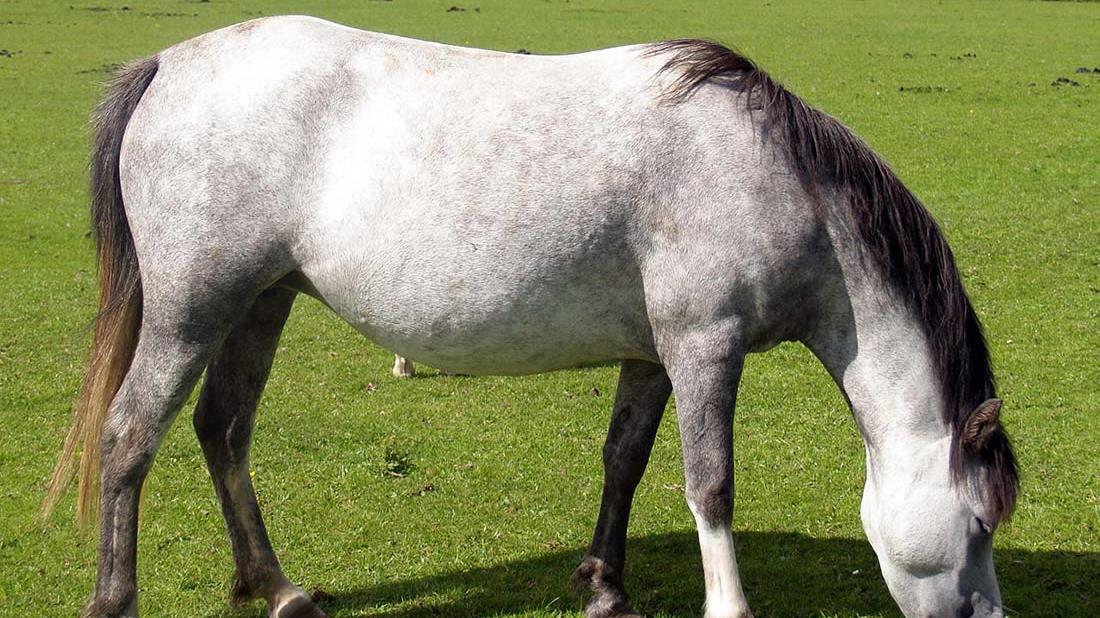
Many ponies look dense and economical—shorter legs for their body, a rounder barrel, and a broader head. That compact build often goes with hardiness in rough conditions, but it doesn’t make a pony “low maintenance”. It just shifts the risks.
One practical difference is weight management. Plenty of ponies are “easy keepers”: they can maintain (or gain) condition on surprisingly little feed compared with many larger horses. That’s helpful in lean country, and a problem in lush grazing.
Hardiness is real, but so is laminitis risk
When ponies get overweight, the consequences can be swift and painful. Equine metabolic syndrome (EMS) is a common driver of laminitis, and ponies are over-represented among animals that develop EMS and insulin dysregulation.2, 3
Research also links weight gain with a markedly higher risk of laminitis, with native pony breeds and pony crosses often sitting in the higher-risk group.3, 4
Breed notes: a few well-known pony types
“Pony” isn’t one breed. It’s a broad category that includes many breeds developed for local conditions—windy islands, moorland, mountain country, or farm work.
- Shetland: very small, tough, strong for their size; often kept as children’s ponies, but easily overfed.
- Welsh: several sections from smaller ponies to larger pony types; commonly seen in children’s riding, showing, and performance work.
- Connemara, New Forest, Dartmoor: hardy breeds with long histories as working and riding ponies.
What ponies have been used for (and still are)
Ponies have long been used for practical work—pulling carts, carrying loads, and farm jobs—because a smaller animal that thrives on sparse feed can be genuinely useful. Today, ponies are most often seen in children’s riding, driving, pony club, and general pleasure riding, with some breeds also excelling in sport and showing.
Owning a pony vs a horse: the trade-offs that actually change your week
People often assume “smaller” means “simpler”. In reality, ponies can be physically easier to handle and cheaper to feed, but they can require tighter management around pasture, treats, and body condition.
Why a pony can be a good fit
- Size and handling: easier for many families to tack up, float, and manage day-to-day.
- Hardiness: many cope well with cold, wet, and rougher grazing (with sensible shelter).
- Lower total feed volume: often less hay overall than a larger horse—though the diet must still be balanced.
Where ponies can be more demanding
- Weight control: many ponies gain weight quickly on rich pasture and can need strict grazing management.
- Laminitis risk: overweight and insulin dysregulation raise risk; prevention is far easier than treatment.2, 3
- “Little legs, big strength”: ponies can be surprisingly powerful; good fencing and calm handling still matter.
Everyday care that keeps ponies sound
Shelter, water, and space
Provide a dry, clean shelter and enough room to move. Water is non-negotiable: horses and ponies need constant access to clean, palatable water, and requirements rise in hot weather and with exercise.5
Feed: steady fibre first, then adjust for condition
The safest base diet for most ponies is forage (pasture and/or hay), with any hard feed added only when genuinely needed for workload, growth, pregnancy, or specific veterinary direction.
If your pony is gaining weight or has had laminitis, talk with an equine vet about an individual plan. Dietary strategies used to reduce laminitis risk commonly include calorie control and careful management of non-structural carbohydrates (NSC) from grain, “sweet feeds”, and at times pasture.6
Hooves: routine farriery still matters
Some ponies have tough feet, but they still need regular trims. Overgrown or imbalanced hooves change the way a pony loads the foot and can contribute to soreness and lameness. Keep a consistent schedule with a farrier or qualified trimmer, and don’t wait for cracks to appear.
Parasites and biosecurity: don’t guess
When new horses or ponies arrive, quarantine and monitoring reduce the chance of introducing infectious disease. NSW DPI recommends isolating new arrivals for at least 14 days and using approaches such as faecal egg count reduction testing (with veterinary guidance) to help manage worms and drench resistance.7
Vaccination: set a plan with your vet
There isn’t a single “one-size” vaccination program. Risk depends on travel, events, local disease patterns, and contact with other horses. Commonly discussed vaccines include tetanus and strangles, with others considered based on exposure risk (including Hendra in higher-risk regions).8
When to call a vet sooner rather than later
- Heat in the feet, pottery steps, reluctance to turn, or the classic “leaning back” stance (possible laminitis).
- Rapid weight gain, a firm “cresty” neck, or fat pads that don’t shift with exercise (possible metabolic issues).
- Any sudden change in appetite, drinking, manure, or attitude—especially after a feed change.
- Nasal discharge, fever, cough, swollen lymph nodes, or signs of a contagious respiratory illness (isolate first; then ring your vet).
Final thoughts
A pony isn’t just a small horse. It’s often a compact, efficient grazing animal—built to do a lot with a little. When that efficiency meets rich pasture and generous hand-feeding, problems like obesity and laminitis appear quickly. Managed with steady forage, sensible movement, regular hoof care, and a vet-guided health plan, ponies tend to stay what they’re known for: tough, capable, and quietly dependable.
References
- European Commission (ESDAW) – The Horse: Pony definition and height cut-offs
- UQ VETS (University of Queensland) – Equine metabolic syndrome (EMS) and laminitis
- Cornell University College of Veterinary Medicine – Equine obesity, EMS and laminitis
- Royal Veterinary College – Weight gain more than doubles the risk of laminitis in horses and ponies
- RSPCA WA – Horse welfare: water and shelter considerations
- Geor RJ (2009) – Dietary management of obesity and insulin resistance: countering risk for laminitis (review). Journal of Equine Veterinary Science (PubMed record)
- NSW Department of Primary Industries – Horse owners: new arrivals, isolation, worm management and biosecurity
- NSW Department of Education – Horses: health guidance including vaccination notes

Veterinary Advisor, Veterinarian London Area, United Kingdom