
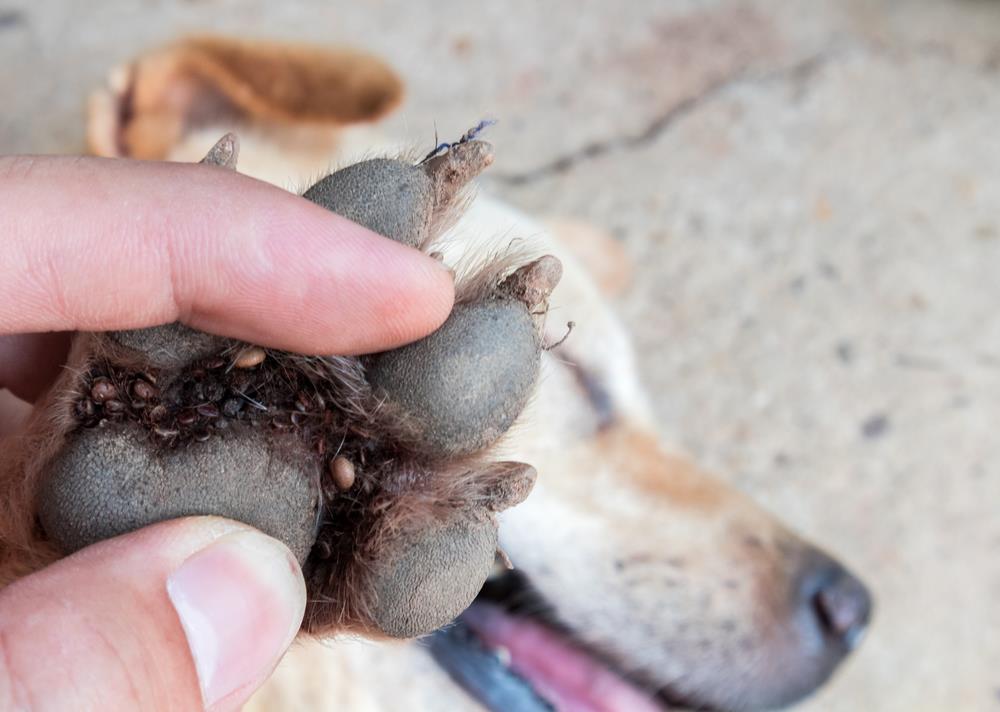
Most people end up here after they’ve spotted fleas, ticks, ants in the pet food, or that familiar rustle in the roof — and they need to act without making their pets sick in the process. In Australian homes, the line between “pet-friendly” and “pest-friendly” can be thin: a food bowl left overnight, a warm bed under a couch, a crack beside a pipe.
The goal is simple: keep pests from settling in, while keeping pets (and people) safe from both parasites and harsh chemicals. Below is a practical, pet-aware approach — what to watch for, what to do first, and when it’s time to bring in a professional.
Why pets and pests so often share the same space
Pests aren’t drawn to pets out of loyalty or malice. They’re following heat, shelter, water and food — the same comforts our animals enjoy. In much of Australia, warm weather stretches the season for insects and parasites, and indoor heating can keep them ticking along even when it’s cool outside.
Some pests live directly on pets (fleas, certain mites, ticks). Others take advantage of the pet’s routine — crumbs under a feeding station, spilled water, or a curious dog nosing into garden mulch.
Common household pets in Australia (and what they change in the home)
Dogs and cats are the main hosts for household parasites like fleas and ticks. Birds and small mammals can be more sensitive to fumes and aerosols, which matters when you’re choosing any pest control product to use indoors.4
Pets also change the “microclimate” of a house: soft bedding holds warmth, fur collects dust and tiny eggs, and regular feeding creates predictable food smells that ants and rodents learn quickly.
Common pests in Australian homes (and why they matter)
Cockroaches, ants and other indoor insects
Cockroaches and other pests can contribute to indoor allergens. In susceptible children, cockroach-related proteins can trigger allergy symptoms, which is one reason persistent infestations are worth taking seriously rather than tolerating.1
Ants are rarely a direct medical threat to pets, but they’re excellent at finding pet food. A steady trail to a bowl usually means there’s a reliable food source somewhere nearby.
Rodents
Rodents are drawn in by food and shelter, and they can chew wiring, insulation and stored goods. The more urgent risk in a pet household often comes from rodent baits: many rodenticides are toxic to animals if pets access bait directly, or if they eat poisoned rodents.6
How pets interact with pests
How pets can attract pests
- Fleas and ticks hitch a ride after outdoor time, visits to parks, or contact with other animals.
- Food bowls and storage areas draw ants, cockroaches and rodents if crumbs and spills build up.
- Bedding and soft furnishings can shelter flea eggs and larvae until conditions are right.
How pets can deter pests (sometimes)
Some households see fewer rodents with a confident cat around, but it’s not reliable control. Rodents adapt, and they’re often active when pets are asleep. It’s better to treat “pet presence” as a minor pressure, not a solution.
Health risks to pets: the big ones to take seriously
Fleas and tapeworm
Fleas are more than an itch. One important link is tapeworm: pets can acquire certain tapeworm infections when they swallow fleas during grooming, which is why flea control and worming advice often travel together.2
Paralysis ticks
Paralysis ticks can be life-threatening. Early signs can be subtle — a change in bark or meow, a cough, wobbliness, gagging or vomiting — and they can worsen quickly.3
If you’re searching a pet for ticks, pay close attention to the head, neck and ears. Large Australian research looking at tick cases in veterinary hospitals found these forward areas are common attachment sites, though you still need to check the whole body.7
Poisoning risks from “pest control” products
In pet homes, the pest you can’t see is exposure: baits, sprays, oils and powders that linger where paws and noses spend time. Rodenticides are specifically flagged as toxic to humans and animals if not used strictly according to label directions.6
Prevention first: quiet habits that stop infestations
The most effective pet-friendly pest control often looks like housekeeping, not chemicals.
- Feed with intent: pick up bowls after meals where practical; wipe the feeding area; store food in sealed containers.
- Wash bedding regularly: especially during flea season or if you’ve had an infestation before.
- Vacuum slowly and often: focus on sleeping spots, skirting boards and under furniture where eggs and larvae collect.
- Block entry points: seal gaps around pipes, doors and vents; repair flyscreens; reduce clutter that gives insects cover.
- Keep outdoor zones tidy: trim dense groundcover near entrances and keep compost secured.
Pet-friendly pest control: what’s safer, what needs caution
Be cautious with essential oils
Essential oils are often suggested as “natural” repellents, but “natural” doesn’t mean safe. Australian animal poison specialists warn that exposure can cause signs ranging from drooling and vomiting to severe neurological signs and liver injury, with particular risk from oils such as eucalyptus, tea tree, clove, camphor and wintergreen.4
Diffusers and scented products also matter. The RSPCA warns that essential oils can be toxic in high concentrations, with cats especially vulnerable, and birds highly sensitive to fumes.5
Use traps and exclusion as your “default” tools
For ants, cockroaches and rodents, physical control and exclusion reduce risk of accidental pet exposure. Targeted baiting can still be used, but only with careful placement and strict label compliance.
If you use rodent bait, treat it like a hazardous product
Only use rodenticide products exactly to label directions and consider whether non-chemical methods could work first. The APVMA notes rodenticide baits are toxic to humans and animals and can cause severe health issues if misused.6
Tick checks: a practical routine
In tick risk areas, build tick searching into the day like checking the weather. RSPCA NSW recommends searching thoroughly at least once daily during risk periods, feeling for ticks or “tick craters” as small lumps on the skin.8
Start at the nose and work back, checking ears (inside and out), face folds, under collars, armpits, between toes, and along the belly and tail base. Most ticks are found forward of the front legs, but any area can be affected.8
When to call a professional pest controller
Consider professional help when:
- you’re seeing pests in daylight repeatedly (especially cockroaches or rodents)
- you can’t identify where pests are entering or breeding
- you’ve treated fleas but keep seeing new bites or flea dirt
- anyone in the household has asthma or allergies that worsen with pests present1
A good pest technician should explain what they’re using, where it will be applied, how long it needs to dry or settle, and what “keep pets out” really means in your floorplan. Ask for the product name and the label directions, and don’t accept vague assurances.
If you suspect poisoning
If your pet may have eaten bait, licked a treatment, or been exposed to concentrated essential oils, treat it as urgent. Contact your vet immediately, and you can also contact the Animal Poisons Helpline (Australia) for poisoning advice and triage support.9
Final thoughts
A pest-free home with pets is rarely about one big intervention. It’s usually the steady, unglamorous work: clean feeding areas, wash bedding, block gaps, keep up parasite prevention, and be cautious with anything that leaves a residue where paws, whiskers and curious tongues roam.
When pests persist, the safest next step is often expert help — from a vet for parasites, and from a pest controller who can manage infestations without turning your home into a hazard zone.
References
- Children’s Health Queensland — Reducing allergens in the home (cockroaches as an allergy trigger)
- Australian Pesticides and Veterinary Medicines Authority (APVMA) — Anthelmintics for dogs and cats (labelling requirements; flea control statement for Dipylidium spp.)
- RSPCA Queensland — Tick warning: protect your pets (signs of paralysis tick)
- Animal Poisons Helpline (Australia) — Essential oil poisoning in pets
- RSPCA South Australia — Keeping your pet safe this festive season (essential oils/diffusers and pet safety)
- APVMA — Rodenticides (safe use, toxicity to humans and animals, label compliance)
- The University of Queensland — Paralysis ticks prefer heads and necks of pets (22 October 2025)
- RSPCA NSW — How to protect your pets from deadly paralysis ticks this season (tick searching guidance)
- Animal Poisons Helpline (Australia) — 24/7 helpline for Australian pet owners

Veterinary Advisor, Veterinarian London Area, United Kingdom