
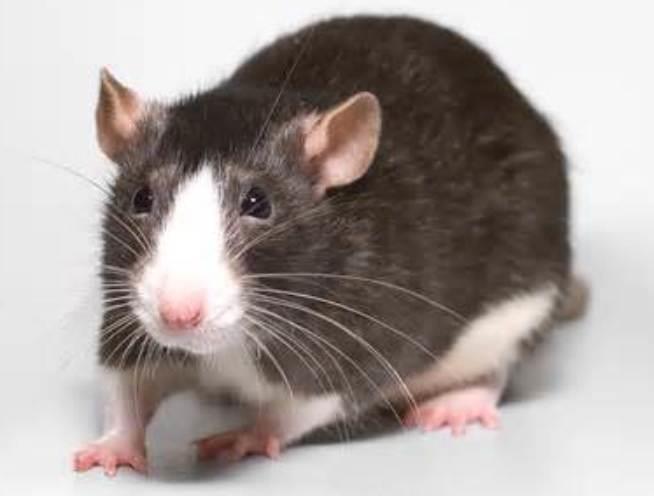
People usually start looking up pet mouse “varieties” when they’re choosing their first mice, comparing coat types, or trying to work out why one mouse looks so different from another in the pet shop.
The names can be confusing, and a few are used loosely. The clearest way to make sense of it is to separate what you can see (coat, colour, markings) from what affects day-to-day care (especially hairless and tailless types). Along the way, it helps to be honest about welfare: some varieties need more careful housing and temperature control than others.1, 3
Variety vs breed: what people mean by “pet mouse varieties”
With fancy mice, “variety” usually means a recognised look—coat type, colour, and marking pattern—rather than a true breed in the dog sense. Different clubs define categories slightly differently, but the underlying idea is the same: a mouse can be described by how its coat grows, how it’s coloured, and where the white (or darker patches) sit on the body.6
A short note on where fancy mice came from
Fancy mice have a long history in hobby keeping and selective breeding. Early accounts include harsh blood-sport uses that are rightly left in the past; what remains today is a hobby focused on temperament, health, and predictable coat and colour traits.
Coat types (the part you can feel)
Coat type is often the quickest “variety” label people notice. In show standards, these are commonly grouped as separate coat varieties.
Standard coat
Short, sleek coat with a natural shine. This is the baseline coat type most pet mice have.6
Satin
Satin mice have a distinctive sheen that looks almost metallic in the light. The coat itself is still short and sleek, but the hair structure reflects more light, giving that polished finish.5, 6
Long-haired
Long-haired mice carry longer, fine hair across the body. This can look particularly dramatic around the flanks and rump as the coat matures.6
Curly coats (Rex/“Astrex”/Frizzie names)
Depending on the club and country, curly-coated mice may be labelled differently. You’ll often hear “Rex” used in pet circles, while some standards describe tightly waved or frizzed coats as separate varieties. A common thread is that the whiskers are also curled, and the coat texture is noticeably different under the fingers.6
Hairless (higher-care)
Hairless mice can be completely hairless or carry patchy fuzz. They lose the insulation and skin protection that a normal coat provides, so they’re more vulnerable to cold, overheating, minor abrasions, and dry skin. If you choose hairless mice, plan for stable indoor temperatures, deep soft bedding, and careful checks for scratches and irritation.1, 3
Colours and markings (the part you can describe)
Colour is the base pigment (black, chocolate, blue/grey tones, and so on). Markings describe where white or contrasting colour appears. Standards vary between organisations, but the same few patterns turn up again and again.
Common marking patterns you’ll hear in pet shops
- Berkshire: typically a white belly with coloured back (exact definitions vary by club).
- Hooded: coloured “hood” over the head with a stripe or saddle continuing along the back.
- Capped: colour concentrated on the head, with a mostly white body.
- Dutch and other marked patterns: crisp, symmetrical blocks of colour and white are prized in show standards, and you’ll see pet versions with softer edges and more variation.5
Marking names get used loosely outside the show bench. If you’re buying a companion rather than showing, the practical question is usually simple: does the mouse look healthy, move well, breathe quietly, and cope calmly with gentle handling?
Body type traits: what matters, and what’s easily confused
Some traits people describe as “mouse varieties” are actually more commonly discussed in rats than in mice.
“Dumbo”
“Dumbo” is a well-known term for rats with low-set, rounded ears on the sides of the head. It’s not a standard fancy mouse category in the way it is for fancy rats, so if you see “dumbo mouse” advertised, treat it cautiously and ask for clearer information (and photos of the parents, if the seller is breeding).7
“Manx” / tailless mice (not a simple heat-exhaustion story)
Taillessness is sometimes mentioned alongside Manx cats, but the welfare picture is more complex than “no tail = heat exhaustion”. In mice, the tail does contribute to heat loss, but research suggests it’s a modest proportion of total heat dissipation in typical conditions, becoming more important in extreme heat-stress scenarios.4
Separately, taillessness in small animals can be linked with spinal and nerve issues depending on the genetics involved, so it’s wise to be conservative: if a seller is promoting tailless mice, ask what is known about health outcomes in their line, and avoid any animal showing abnormal gait, weakness, or continence problems.
Choosing mice that will do well in an Australian home
Most companion-mouse success comes down to husbandry, not the fanciest coat. Prioritise calm, bright-eyed animals with clean skin, a dry nose, and quiet breathing, and set up their home properly from day one.
Quick welfare checks before you buy
- Social set-up: mice are highly social. Plan to keep at least two together (commonly females, or desexed companions where appropriate), and avoid housing undesexed males together due to fighting risk.1, 2
- Ventilation matters: avoid glass tanks and sealed plastic tubs; poor ventilation allows ammonia to build up and can contribute to respiratory disease.1, 8
- Heat is a real risk: keep the enclosure out of direct sun, with steady indoor temperatures and good airflow. Heat stress can be fatal.1, 3
- Handling: never lift a mouse by the tail; support the whole body, and supervise children closely.1, 2
If you’re deciding between two mice that look different, start with care needs: hairless mice (and any mouse with unusual anatomy) demand steadier temperatures, softer bedding, and closer skin checks. For most households, a healthy standard-coat mouse from a reputable source is the easiest, kindest place to begin.1, 8
References
- RSPCA Australia — Caring for pet mice
- RSPCA Australia — Essential tips on housing mice
- RSPCA NSW — How to care for your pet mouse
- Škop V, Liu N, Guo J, Gavrilova O, Reitman ML. (2020). The contribution of the mouse tail to thermoregulation is modest. American Journal of Physiology — Endocrinology and Metabolism (PubMed)
- The National Mouse Club (UK) — Rules and standards (marked varieties; satin section)
- American Fancy Rat & Mouse Association (AFRMA) — Fancy Mouse Standards (varieties by coat type)
- AFRMA — Official Rat Standard (includes Dumbo as a rat variety)
- RSPCA Knowledgebase — How should I care for my mice?
- Agriculture Victoria (Animal Welfare Victoria) — Caring for pet rats and mice

Veterinary Advisor, Veterinarian London Area, United Kingdom