
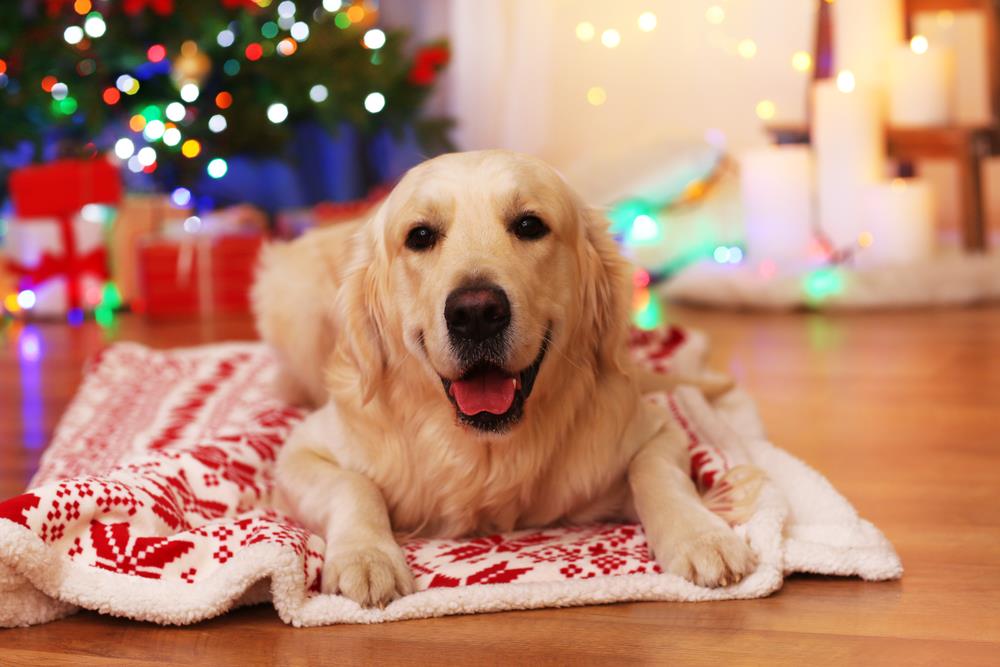
Holiday plans change the house in small ways that matter to animals: new foods on low tables, a tree that smells like outdoors, doors opening and closing all night, and sudden noise that comes from nowhere. Most pet emergencies at this time of year are ordinary accidents—swallowed decorations, toxic leftovers, a frightened dash through an open gate—made urgent by the pace of the season.1, 2
The aim is simple: keep risks out of reach, keep routines steady, and give your pet a quiet place to retreat. The sections below move through the most common holiday hazards—decorations, food, plants, visitors, travel, fireworks, and winter weather—with practical checks you can do in a few minutes.
Common holiday hazards for pets
Most festive hazards fall into two categories: things that are tempting to chew (string, wrapping, bones, food scraps), and situations that raise stress (crowds, noise, travel). Prevention is usually about physical barriers—closed doors, bins with lids, higher shelves—rather than trying to “teach” an animal not to investigate.1, 2
Decorations and ornaments
Tinsel, ribbon, string lights, small hooks, baubles, and button batteries can all injure a pet. String-like items are a particular risk because they can lodge or tangle in the gut. Breakable ornaments add sharp edges underfoot, and chewed electrical cords can cause serious burns and shock.1
Quick ways to pet-proof holiday décor
- Skip tinsel and long ribbons, especially if you have a cat or young dog.1
- Keep fragile ornaments and small parts high; use shatter-resistant decorations lower down.1
- Anchor the tree so it can’t tip if bumped or climbed.1
- Cover or reroute cords so they can’t be chewed; unplug lights when you’re out or asleep.1
- Store spare hooks, batteries, and craft items in closed containers, not in open gift bowls or on side tables.1
Holiday foods and treats
A surprising amount of “normal” festive food is unsafe for pets. Chocolate, grapes/raisins/sultanas, macadamias, alcohol, onions/garlic/chives, coffee, and sugar-free gum (xylitol) are all well-known problems. Cooked bones can splinter, and rich leftovers (fat, skin, gravy) can trigger stomach upsets and, in some cases, pancreatitis.1, 2
Safer ways to include pets in the meal
- Offer a small portion of plain cooked meat (no stuffing, onion, garlic, or rich sauces).2
- Use a puzzle feeder or scatter a measured amount of their normal kibble to keep them occupied while people eat.
- Keep rubbish secured: many holiday poisonings and gut blockages start in the bin after the meal.2
If you think your pet has eaten something dangerous
Call your vet straight away. In Australia, you can also contact the Animal Poisons Helpline (24/7) for triage advice: 1300 869 738.8
Seasonal plants and flowers
Some popular holiday plants can cause illness if chewed. RSPCA guidance commonly lists lilies, mistletoe, holly, amaryllis, azaleas, and poinsettias as plants to keep away from pets; lilies are especially dangerous for cats.1
Also treat the Christmas tree base like a pet hazard. Tree water can collect bacteria, fertiliser residue, or dropped needles—none of it belongs in a pet’s mouth.1
Lower-risk options
- Use artificial plants where possible, placed securely so they can’t be dragged down.
- Choose sturdy, non-toxic greenery and keep all plants out of reach if your pet is a committed chewer.
Visitors and gatherings
A busy house can be stressful for animals that rely on predictability. Even confident pets can become unsettled when there’s constant noise, unfamiliar hands reaching in, and doors left ajar. Stress often shows up as hiding, pacing, barking, toileting accidents, or refusing food.2
Keeping pets calm while the house is full
- Exercise pets before guests arrive, then feed them earlier, so they’re more likely to rest.2, 3
- Set up a quiet “no visitors” room with bedding, water, and a chew or puzzle toy; let your pet choose it.2
- Keep entry points controlled: use baby gates, a closed door, or a lead when people are coming and going.
- Ask guests not to feed your pet and not to offer cooked bones or leftovers.2
Travel and boarding considerations
Holiday travel increases the chance of escapes, car injuries, and stress-related illness. A good plan is calm, repetitive, and physical: the right restraint, the right breaks, familiar bedding, and water on hand.4, 5
Travelling by car
- Restrain dogs with a crash-tested harness/seatbelt system, or transport them in a secured crate; keep cats in a secure carrier that’s belted in place.4, 5
- Pack basics: food, water, bowls, lead/harness, waste bags, towels, and any medications.5
- Plan regular toilet and movement breaks, especially on hot days or long drives.5
Travelling in open vehicles (ute trays, trailers)
Rules vary by state and territory, but Australian legislation generally requires dogs on open vehicles to be restrained or enclosed, with specific requirements and exemptions differing between jurisdictions. From a safety perspective, an enclosed, well-secured crate or travelling inside the cabin is usually safer than riding exposed to wind, debris, and sudden stops.6
Choosing a boarding facility
- Ask how they manage emergencies and whether they can administer your pet’s medication.
- Check hygiene, ventilation, and how animals are supervised during feeding and play.
- Confirm vaccination and parasite-control requirements match your vet’s advice.
Fireworks and loud noises
Fireworks can trigger panic behaviours: trembling, hiding, barking, destructive scratching at doors, or attempts to escape. Some dogs injure themselves trying to get away, especially if tethered outside.7
Practical steps for firework nights
- Bring pets indoors, close curtains/blinds, and create a small hiding space (a covered crate or a cardboard box with bedding).7
- Play steady background sound (TV or music) to mask sudden bangs.7
- Don’t tether dogs outside during fireworks, and avoid choke chains.7
- If your pet regularly panics, talk with your vet ahead of time about behaviour support and, where appropriate, medication.7
Cold weather precautions
In winter, smaller pets, short-coated breeds, very young animals, seniors, and pets with illness can lose body heat quickly. Cold, wet conditions increase the risk of hypothermia and frostbite, especially on ears, tails, and paws. Road salt and de-icing chemicals can also irritate paws and be swallowed during grooming.9
Keeping pets comfortable in the cold
- Keep outdoor time shorter in cold, windy, or wet conditions; dry your pet after rain.
- Use a coat for dogs that need it, and wipe paws after walks to remove grit and chemicals.9
- Make sure outdoor pets always have dry bedding and shelter from wind and rain.
Fun and safe holiday activities for pets
The simplest holiday enrichment is quiet and familiar. A dog that gets a good walk before guests arrive often settles more easily. Cats do well with short bursts of play, then somewhere high and undisturbed to watch from.2, 3
- Rotate a couple of toys rather than flooding the floor with new things at once.
- Use food puzzles or treat scatters to occupy pets while cooking and eating.
- Take “family photos” without forcing costumes; avoid anything that restricts breathing, vision, movement, or hearing.
Final thoughts
Holiday safety is mostly quiet housekeeping: remove the tempting hazards, keep doors controlled, and give your pet somewhere calm to land when the house gets noisy. If something goes wrong, act early—ring your vet, and keep the Animal Poisons Helpline number where you can reach it quickly.2, 8
References
- RSPCA South Australia — Keeping your pet safe this festive season
- RSPCA Australia — Six tips for keeping your pet safe this Christmas
- RSPCA Tasmania — Make sure your pet has a pawsome Christmas
- RSPCA Knowledgebase — Do I need to restrain my dog when travelling in my car?
- RSPCA NSW — Travelling with your companion animal
- RSPCA Knowledgebase — Is it legal to have unrestrained dogs on ute trays or other open vehicles?
- RSPCA Australia — Caring for your pets during fireworks displays
- Animal Poisons Helpline — Contact (24/7 helpline numbers)
- Associated Press — Don’t forget pets when preparing for winter’s cold (expert guidance on hypothermia/frostbite and paw care)

Veterinary Advisor, Veterinarian London Area, United Kingdom