
Pet etiquette is what you reach for when a walk turns tense, a neighbour complains about barking, or a friendly dog rushes up to someone who didn’t ask for the greeting. The small choices—lead control, clean-up, quiet hours, safe travel—add up quickly in shared suburbs, parks and strata buildings.
Australia is a country where pets are everywhere: around 73% of households have at least one.1 That closeness is a privilege, and it comes with simple obligations: keep animals safe, keep public spaces usable, and make it easy for other people and animals to pass by without stress.
Understanding what your pet needs (so behaviour stays steady)
Most “etiquette” problems start long before the front gate. A dog that hasn’t had enough movement will look for an outlet. A cat without safe enrichment may turn to scratching, night-time zoomies, or door-dashing. Birds, rabbits and pocket pets can slip into chronic boredom quickly if their world is too small.
Start with the basics: fresh water, suitable food, a predictable routine, and enough activity for the species and the individual animal. Then watch the quiet signals—pacing, hiding, over-grooming, reactivity on lead—because they often show up before the obvious behaviour does.
Training and socialisation (calm, controlled, repeatable)
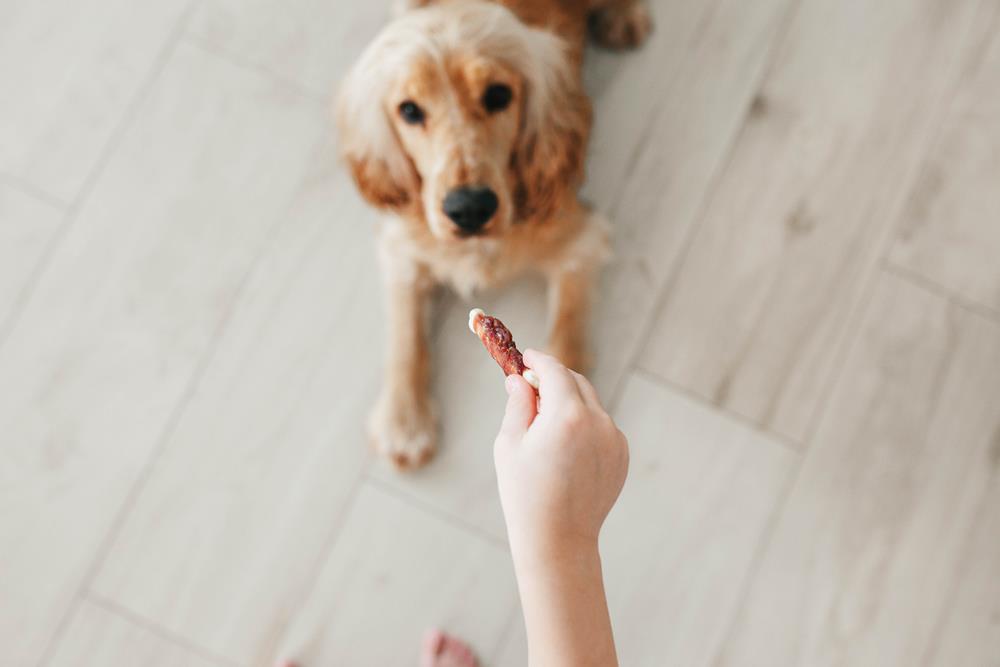
Training works best when it looks unremarkable: small moments, repeated often, with rewards that matter to your animal. For dogs, reward-based training builds reliable habits without escalating fear or conflict, and it tends to travel well—from the lounge room to the footpath to the vet clinic.
Socialisation is not forcing contact. It’s controlled exposure at a distance your pet can handle, paired with neutral or positive outcomes. Done well, it lowers the chance of rushing, barking, lunging, or panicked retreat later on.
Practical ground rules that help almost immediately
- Teach a “check-in” (eye contact on cue) before greetings.
- Practise walking past distractions without meeting them.
- Reward four paws on the ground; ignore jumping.
- Choose equipment that prevents escape and doesn’t rely on pain.
Public spaces and pet behaviour
In parks and on streets, the most respectful posture is quiet control. Keep your dog on a lead unless you’re in a designated off-lead area, and even then, stay close enough to regain control quickly if another dog, runner, bike or child appears.2
Clean-up is not optional. Bag the poo and bin it, every time. It’s basic hygiene, it protects waterways, and it stops shared spaces from slowly becoming unusable.
Off-lead areas: a quick suitability check
- Your dog returns when called, even if another dog is nearby.
- Your dog doesn’t bowl over smaller dogs, children, or elderly people.
- You can see your dog at all times (not “somewhere in the trees”).
- You’re prepared to leave if things get too busy or tense.
Meeting other animals and people (especially children)
Introductions go best when neither animal feels cornered. Use a neutral space, keep the first meeting brief, and end it early—before either animal is tired, overstimulated, or defensive. Calm behaviour is the aim, not instant friendship.
With children, assume unpredictability. Teach kids to ask first, approach from the side, and stop when the animal moves away. For pets, reward stillness and gentle behaviour, and supervise closely; even a tolerant animal can react if startled or grabbed.
Health and wellbeing (the quiet foundations of good manners)
Regular veterinary care helps you catch problems that often masquerade as “bad behaviour”: painful teeth, itchy skin, sore joints, ear infections, anxiety. Keep a routine of check-ups, and ask your vet about a vaccination schedule that suits your pet’s lifestyle and local risk.3, 4
Diet and exercise matter for etiquette too. A dog that’s under-exercised or overfed is more likely to struggle with impulse control. A cat without play and climbing options is more likely to climb curtains at 2am. The body and the behaviour move together.
Grooming and hygiene (your home is part of the neighbourhood)
Grooming is less about appearance and more about comfort and health. Regular brushing reduces matting and skin trouble, and it makes it easier to spot fleas, ticks, lumps, sore spots, and developing ear or paw issues.
In shared living spaces, keep smells, shedding and waste under control. Clean litter trays and cages often, wash bedding, and vacuum regularly. If you live in strata, these basics can be the difference between a peaceful building and a string of complaints.
Travel and transportation
A moving car turns a loose pet into a distraction, and in a crash, a projectile. Secure dogs with an appropriate restraint system or transport crate, and travel cats in a secure carrier that’s firmly positioned and ventilated.5, 6
If you need to transport a dog on a ute tray or other open vehicle, check your state or territory rules and follow best-practice restraint or enclosure. Requirements and exemptions vary, but the welfare risk is consistent: falls, heat, debris, and sudden braking.7
Public transport: keep it contained, keep it clean
Rules differ between networks. In NSW, pet animals may travel only when confined in a suitable container and with permission from staff or the driver, while assistance animals have broader access rights.8 The etiquette is simple: keep your pet contained, out of aisles, and away from seats and other passengers.
Legal responsibilities that often surprise people
Across Australia, microchipping is one of the most useful, low-effort safety steps you can take. It provides permanent identification and gives vets, shelters and councils a practical way to reunite lost animals with their owners—if your contact details are kept up to date.9
Registration requirements and day-to-day rules (leads, nuisance barking, pet limits, off-lead conditions) are set locally and can vary between councils and states. When you move house, change phone numbers, or rehome an animal, update records promptly so the system still works when you need it.
Pet ownership in Australia: a few grounded facts
Australia’s pet population is large and ordinary in the best way—woven into daily life. Recent national survey data estimates 31.6 million pets across 7.7 million households, with 73% of households owning a pet.1 That scale is exactly why etiquette matters: small lapses multiply quickly.
Final thoughts
Good pet etiquette is mostly quiet work. A steady lead. A bag in your pocket. A dog that can pass another dog without comment. A cat that stays secure indoors at night. A carrier that’s ready before the trip begins. When these details are in place, pets blend into the human world without friction, and the shared spaces stay welcoming—for everyone.
References
- Animal Medicines Australia — Pets in Australia: A national survey of pets and people (2025)
- RSPCA South Australia — Lead by Love / Lead by example (lead rules and guidance)
- RSPCA Knowledgebase — What vaccinations should my dog receive?
- RSPCA Knowledgebase — What vaccinations should my cat receive?
- RSPCA Knowledgebase — Do I need to restrain my dog when travelling in my car?
- RSPCA NSW — Travelling with your companion animal
- RSPCA Knowledgebase — Is it legal to have unrestrained dogs on ute trays or other open vehicles?
- Transport for NSW — Travelling with animals and pets
- RSPCA Australia — Microchipping

Veterinary Advisor, Veterinarian London Area, United Kingdom