
Most people land on pet emergency preparedness pages when the sky has turned strange: a fire warning on the radio, floodwater rising at the end of the street, a cyclone watch creeping closer, or simply the realisation that leaving in a hurry is harder with animals in tow.
In those moments, small details matter—ID that still links to you, a carrier your cat will actually enter, enough water for a few days, and a plan that doesn’t fall apart when roads close. The aim is simple: keep your animals contained, transportable, and traceable, so you can move early and stay together.
What emergencies to plan for in Australia
Australia’s big weather events tend to be fast-moving and local: bushfires that shift with wind, floods that cut roads and isolate towns, and cyclones or severe storms that bring debris, power loss, and sudden evacuation orders. A sensible plan doesn’t try to predict the hazard. It prepares you to leave quickly, with your pets safely secured and their basics covered for several days.
A practical emergency plan for pets
A good plan is a short set of decisions made in advance, written down where you can grab it. NSW SES recommends including animals in your household planning and practising how you’ll contain, travel with, and house them if you need to evacuate.1
1) Decide where you’ll go (more than one option)
Start with the place you’re most likely to use—friends or family outside the risk area—then add backups. Evacuation centres may not be able to take household pets, so it’s wise to plan pet-friendly accommodation and other alternatives before you need them.6
- Primary option: family/friends who can take you and your pets.
- Backup option: pet-friendly accommodation (caravan parks, motels), boarding, or your vet’s recommendations.
- Last-resort option: local arrangements for animal sheltering in an emergency (varies by area).1
2) Know how you’ll contain and transport each animal
In a real evacuation, “they’ll come when called” often fails. Stress changes behaviour, even in animals that are usually steady. Practising containment and transport ahead of time makes the day itself quieter and quicker.1
- Dogs: well-fitted harness and lead; consider a crate if your dog travels better enclosed.
- Cats: a solid carrier that opens from the front and/or top; keep it accessible, not buried in a cupboard.
- Small pets: secure cages/containers that won’t tip; label them clearly.1
3) Map two ways out
Choose at least two evacuation routes in case one is blocked. Do a dry run—where the carriers go in the car, how long it takes to load everyone, and what you’ll do if you’re alone and need more than one trip.1
4) Assign simple roles
If you live with other people, decide now who does what. Keep it blunt and workable: one person gathers animals, one loads the “grab and go” bags, one handles keys and documents. The goal is fewer decisions when time is tight.
Build a “grab and go” pet emergency kit
NSW SES advises keeping an emergency kit ready, including pet supplies such as proof of ownership, microchip details, a current photo, food and water, and bowls and leads.2
Core items (most pets)
- Food for 3–7 days (sealed), plus bowls and a can opener if needed.1, 2
- Water for your pet(s), plus a sturdy or collapsible bowl.
- Medications and dosing instructions; copy of vaccination history and any key medical notes.1
- Proof of ownership and current photo(s) of your pet (helpful if you’re separated).2
- Lead, harness, carrier/crate, and an ID label on the carrier as well as the collar.1
- Waste bags; basic cleaning supplies for accidents.
Tailor it to the animal
- Cats: small litter tray and litter (even a disposable tray helps).
- Birds: secure cage; light cloth to cover part of the cage during transport.
- Rabbits/guinea pigs: safe, ventilated carrier and familiar bedding.
- Reptiles: secure, breathable bag or container and warmth management appropriate to the species.1
Keep the kit alive
Put the kit in a waterproof tub or bag, and check it regularly. Rotate food, replace expired items, and update contact details and medical information as they change. NSW SES also recommends keeping key documents and pet information together as part of your emergency preparations.2
Identification: make “found” lead back to you
In an emergency, doors get left open, fences fail, and animals slip leads. Identification is your best chance of being reunited.
Microchip details need to be current (and searchable)
A microchip is only useful if the registration details are up to date and held in an active database. NSW SES specifically recommends packing microchip details and proof of ownership in your pet kit, and keeping vaccination records on hand.1, 2
Visible ID still matters
NSW SES also notes that visual identification helps: a collar with ID information (including your phone number), and ID labels attached to cages and carriers.1
Evacuating with pets: calm, contained, early
When authorities tell you to leave, leaving early is often the safer choice—especially with animals. Aim for three things: keep pets inside or directly controlled, transport them securely, and bring the kit.
Quick evacuation checks
- Contain first: carrier, crate, harness and lead—before you start loading the car.
- Bring the paperwork: photo, proof of ownership, microchip details, vaccination record.1, 2
- Plan for separation: if pets must be housed elsewhere, have your backup contacts ready (friends, boarding, vet).6
Evacuation centres and pets
Rules vary by location and the type of centre. In general, don’t assume your household pet can enter an evacuation centre. The safest approach is to plan alternatives in advance, then confirm local arrangements as early as possible during an incident.6
Assistance animals are different
If you have an assistance animal, planning is still essential, but the access situation is not the same as it is for pets. NSW SES advises that you should not be denied access to transport or evacuation centres because you have an assistance animal, and that you should not be separated from them in an evacuation centre.3
Pet first aid: know what to do, and when to call
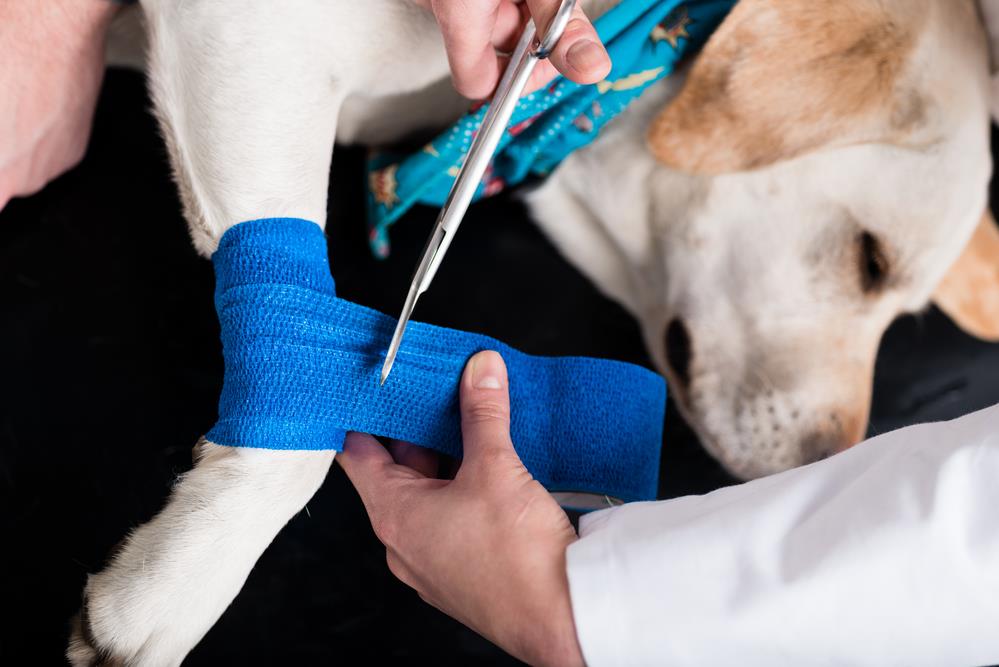
First aid is a bridge, not a replacement for veterinary care. The most useful skill is staying methodical: remove danger, assess, then contact a vet as soon as you can. Australian Red Cross emphasises calling emergency vet care once you’ve assessed your pet is in a critical state, and keeping your vet contacts current and accessible.4, 5
Keep your first-aid approach simple
- Move your pet away from hazards (smoke, water, debris, traffic).
- Check breathing and responsiveness.
- Control obvious bleeding with firm, direct pressure (use clean cloth/gauze).
- Call your vet or emergency vet for advice on the safest next step.4
After the emergency: watch for stress, rebuild routine
Once you’re safe, pets may behave differently for a while. Keep them close, contained, and supervised—especially in unfamiliar places—then return to ordinary routines as soon as it’s practical. If behaviour changes persist or you notice signs of illness or injury, speak with a vet.
Resources and support
- NSW SES guidance on planning for household pets and what to pack.1, 2
- Australian Red Cross pet first aid information and training options.4, 5
- RSPCA WA “Ready, Pet, GO!” resources for emergency preparation.7
References
- NSW State Emergency Service (SES) — Plan for your household pets
- NSW State Emergency Service (SES) — Put together an emergency kit
- NSW State Emergency Service (SES) — Plan for assistance animals
- Australian Red Cross — Top five tips for emergency pet first aid
- Australian Red Cross — Emergency first aid for pets that save lives
- CDC — Pets in evacuation centres (January 30, 2025)
- RSPCA WA — Ready, Pet, GO!
- RSPCA Pet Insurance — Emergency planning for your pet

Veterinary Advisor, Veterinarian London Area, United Kingdom