
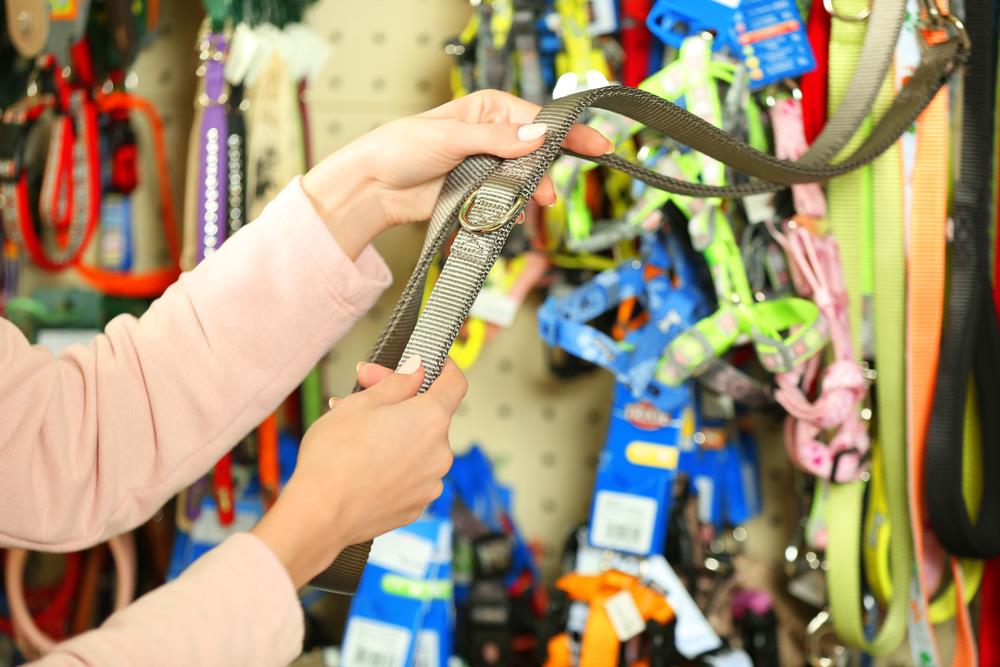
People usually start looking up pet accessories when they’re about to buy a collar, harness, bed, toy, carrier, or a bit of clothing—and they want to know what’s genuinely useful, what’s safe, and what’s just clutter. The wrong pick can be more than a waste of money: poorly fitted gear can injure, and the wrong toy can become a choking risk.
Pet accessories can make daily life smoother and safer, and they can add enrichment when chosen with care. The steady approach is simple: start with what your animal needs to move, rest, eat, and explore comfortably, then add extras only if they improve welfare and suit your pet’s body, behaviour, and climate.
What counts as a pet accessory?
“Pet accessories” covers everyday gear as well as optional add-ons. Most fall into a few practical groups:
- Safety and handling: collars, harnesses, leads, ID tags, reflective gear, muzzles (where appropriate).
- Home comfort: beds, blankets, crates, carriers, cooling mats.
- Feeding and drinking: bowls, slow feeders, puzzle feeders, water bottles for travel.
- Grooming and hygiene: brushes, nail clippers, shampoos, dental-care items.
- Enrichment: chew toys, interactive toys, treat-dispensing toys.
- Clothing and costumes: coats, jumpers, booties, novelty outfits.
- Tech: trackers, cameras, automatic feeders.
Accessories that matter most (and why)
Collars, harnesses, leads and ID
For dogs especially, a secure lead setup is basic safety. The quiet detail is in the fit and the situation. A collar that’s too tight can cause pain and injury; one that’s too loose can snag or slip, and can also create its own hazards.1
A simple fit check for a dog collar is the “two-finger rule”: you should be able to slip two fingers between the collar and the neck (not squashed flat, but comfortably placed).1
Beds, crates and “a place to settle”
A bed isn’t a luxury so much as a predictable resting place—useful for young animals learning boundaries, older pets with sore joints, and any pet that struggles to switch off in a busy house. Choose materials that suit the season (cooler fabrics in summer, warmer layers in winter) and are easy to wash.
Toys and enrichment
Toys can do real work: they help channel chewing, provide mental effort, and break up long, dull stretches of the day. Puzzle feeders and treat-dispensing toys are a simple way to add foraging and problem-solving to a pet’s routine, which can reduce boredom-related behaviour in many animals.2
Training and behaviour: helpful tools, gentle choices
Some accessories are marketed as “quick fixes” for pulling, barking, or reactivity. It’s worth being cautious here. Welfare organisations advise against punitive collars (such as prong collars, check/choke collars, and shock anti-bark collars) because they can cause pain and distress and don’t address the underlying cause of the behaviour.1
If walking is the problem, start with fit and handling first: many dogs do better in a well-fitted harness paired with reward-based training, rather than stronger equipment.1
Clothing and “pet fashion”: when it’s fine, and when it isn’t
Pet clothing can be practical in limited situations (for example, extra warmth for some short-haired dogs in cold conditions). Costumes and outfits, though, can also interfere with movement, breathing, drinking, temperature control, and body language.
RSPCA guidance is clear on the main risk: avoid costumes in hot weather because overheating can lead to heat stress. Remove clothing if your pet shows signs of distress or becomes tangled, and avoid designs that restrict breathing, vision, or normal movement.2
Safety checklist: quick checks before you buy
- Fit: secure, comfortable, and cannot slip over the head (or tighten dangerously). Recheck fit as puppies grow or weight changes.1
- Material: smooth against skin, no sharp edges, and appropriate for wet weather or swimming.
- Strangulation and snag risks: avoid leaving some collars on unattended dogs in situations where they can catch on fences or fixtures.1
- Choking hazards: choose toys that are the right size for your pet, supervise play, and remove damaged toys before pieces break off and can be swallowed.2
- Heat: in hot weather, prioritise cooling and airflow over clothing; overheating can escalate quickly.3
The psychological side: comfort, stimulation, and stress
Accessories can change how a pet moves through the day. A stable resting spot and thoughtful enrichment can lower friction in the household—less pacing, less scavenging, fewer bored laps of the living room. Interactive feeding and puzzle toys are often recommended as an easy way to add mental work without adding extra calories (by using part of the daily food allowance).2
On the other hand, ill-fitting gear, heavy items, or restrictive outfits can create discomfort and confusion, especially if they block normal signals like ear and tail movement, or make it harder for owners to read behaviour. Costumes can also interfere with an animal’s ability to communicate through body language.2
Cost versus benefit: spending with a clear head
Australia’s pet accessory market is large, and it’s easy to overbuy small items that don’t last. One widely reported estimate (via Animal Medicines Australia, as reported by ABC News) put spending on pet accessories—such as toys, leads, bowls and carriers—at almost $1.1 billion.4
When you’re weighing cost against benefit, it helps to think in terms of “wear time” and “welfare gain”. A durable lead, a properly fitted harness, and a washable bed are used constantly. Novelty items often aren’t.
Choosing cost-effective accessories
- Buy the safest version you can reasonably afford for high-use items (lead, harness/collar, car restraint, carrier).
- Prioritise fit and durability over appearance.
- Choose enrichment that matches your pet’s style (chewers need robust chew options; sniffers often enjoy food puzzles and scatter feeding).
- Skip anything that restricts breathing, vision, movement, or temperature control.2
Are pet accessories necessary?
Some are: safe restraint for walking and transport, ID, and basic comfort and hygiene. Many others are optional. The line usually appears when an accessory is bought for the owner’s preferences, but the animal doesn’t tolerate it—or when it introduces avoidable risk.
If you’re unsure, use your pet as the measure. Look for relaxed movement, normal behaviour, and an easy return to routine. If your pet freezes, scratches at an item, refuses to move, pants heavily, or becomes unusually restless, that’s useful information—swap the item, adjust the fit, or leave it off and ask your vet for guidance.2
Making informed choices
Good accessories are quiet helpers. They fit well, they’re easy to clean, and they don’t demand attention. Start with the essentials, choose for your pet’s body and habits, and keep safety and comfort ahead of trends.
In hot Australian weather, be especially cautious with anything that adds insulation or reduces airflow. Heat stress can become an emergency, so plan walks and gear with temperature in mind.3
References
- RSPCA Pet Insurance (Australia) — Safe collars for your dog
- RSPCA Knowledgebase — What are the animal welfare issues with pets wearing costumes?
- RSPCA Australia — Keeping your pet safe during the heat
- ABC News — Australian pet owners spent $12.2 billion on their furry family members last year, study finds

Veterinary Advisor, Veterinarian London Area, United Kingdom