
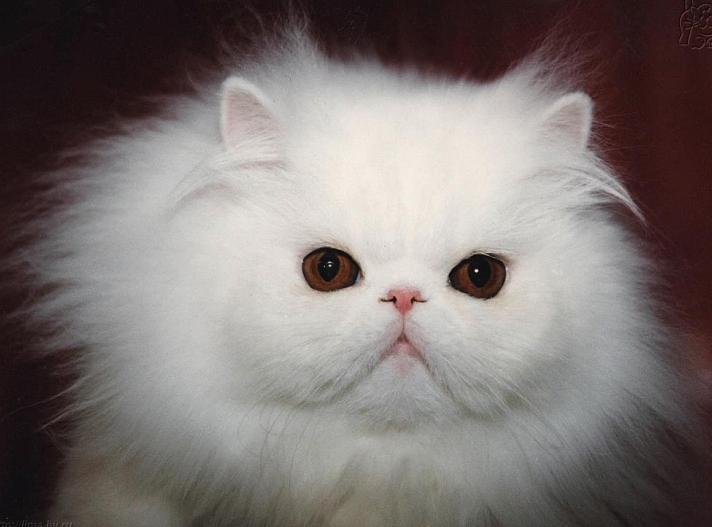
People usually look up Persian cats when they’re weighing up the breed for their home, or when a new Persian arrives and the daily reality hits: knots that turn into mats, eyes that weep, and breathing that can sound louder than it should.
Persians can be calm, affectionate indoor companions, but their coat and their flat-faced anatomy mean you’re not just choosing a look. You’re choosing routines, vet checks, and a careful eye for early signs of trouble.
Persian cat at a glance
- Origin: Persia (modern-day Iran)1
- Size: medium; typically around 3–5.5 kg (varies by sex and type)2
- Coat: long, dense, fine undercoat that mats easily without daily care2, 3
- Temperament: generally quiet, gentle, and suited to calmer households (individual personalities vary)2
- Lifespan: often into the teens with good care; health and genetics matter2
- Common watch-outs: breathing, eye and skin fold irritation, dental crowding/misalignment, and inherited conditions such as polycystic kidney disease (PKD)2, 4, 5
What makes a Persian a Persian
A Persian is built like a soft, compact animal designed for quiet indoor living: a broad head, short legs, a heavy coat that lifts off the body, and large eyes that tend to water. In many modern lines the face is markedly shortened (brachycephalic), which is where much of the health risk begins.2, 4
Traditional vs “punch-face” types
You’ll hear Persians described as “traditional/doll-face” or “punch-face/peke-face”. These aren’t official veterinary categories, but they’re a useful shorthand: the more shortened the nose and flattened the face, the more likely you are to see issues with breathing, tear drainage, skin folds and dental alignment.4, 5
Temperament and day-to-day behaviour
Most Persians move through a home like a slow tide. They often prefer a stable routine, gentle handling, and a soft place with a view rather than high-speed games. Many enjoy company without demanding constant activity, which suits people who want a calm cat beside them while they work or wind down at night.2
Children, visitors and other pets
They’re often tolerant, but not built for rough play. With children, the best match is steady, supervised interaction and clear rules about hands, noise, and giving the cat space. With other pets, slow introductions matter; stress can worsen grooming problems and may aggravate breathing in flat-faced cats, especially in warm weather.4
Health: the issues you should know before you commit
Persians can live long lives, but the breed is over-represented in problems linked to exaggerated physical features. If you’re choosing a kitten, the healthiest decision is usually made before the cat even comes home: selecting for a less extreme face, and for breeders who test and disclose inherited disease risk.2, 4
Breathing problems in flat-faced cats
Flat-faced (brachycephalic) cats can have narrowed nostrils and other upper-airway changes that increase breathing effort, limit exercise tolerance, and raise heat risk. Some individuals snore or breathe noisily even at rest. If breathing looks hard work, that’s not “normal for the breed”; it’s a welfare concern that deserves a vet assessment.4, 6
Eye watering, staining and infections
Many Persians have tear drainage issues linked to facial shape. Chronic wetness can irritate skin and create a friendly patch of country for infection. Daily gentle cleaning around the eyes helps, but persistent discharge, squinting, redness, or pawing at the face needs veterinary attention.2, 4
Dental crowding and mouth problems
Shortened skull shape can crowd teeth and change bite alignment, which can contribute to dental disease and difficulty eating. Regular dental checks (and home dental care if your cat tolerates it) are worth treating as routine maintenance, not a once-a-year surprise.4
Polycystic kidney disease (PKD) and other inherited risks
PKD is a well-known inherited disease in Persians and related breeds. Responsible breeders screen breeding cats, and buyers should ask what testing was done and what the results were. Your veterinarian can advise on what screening is appropriate for your individual cat.2
Grooming: what “daily” really means
A Persian coat doesn’t forgive missed days. Fine hair tangles close to the skin, then tightens into mats that pull and pinch when the cat moves. Once a mat sets, it’s often safer to have it removed by a professional than to fight it with scissors at home.3
A practical grooming routine
- Comb daily: use a metal comb and work in sections, down to the roots, especially behind the ears, under the arms, belly and around the tail.3
- Check eyes daily: wipe away discharge with a soft damp pad/cloth; keep the area dry afterwards. Escalate to a vet if discharge is coloured, thick, or the eye looks painful.2, 4
- Bathing: some Persians do well with regular bathing, but frequency depends on coat condition, skin health and how well the cat copes. If you’re unsure, ask your vet or a cat-experienced groomer to show you a safe approach.2
- Hairballs: long-haired cats are more prone; grooming reduces swallowed hair, and your vet can advise if vomiting becomes frequent or the cat strains.2
Feeding and keeping a Persian in good condition
There’s no single “best” diet for all Persians. What matters is that it’s complete and balanced for the cat’s life stage, and that you’re adjusting portions to maintain a healthy body condition. Obesity makes breathing, grooming and heat tolerance harder in flat-faced cats, and it quietly raises risk across the board.7
Simple nutrition checks that actually help
- Use body condition, not the packet picture: ask your vet to score your cat’s body condition and set a target weight.7
- Measure food: consistency beats guesswork, especially with an indoor, lower-activity cat.7
- Fresh water matters: many cats drink more when water is offered in multiple bowls (or a fountain), kept away from litter and noisy appliances.7
Exercise, enrichment and training (without overdoing it)
Persians are rarely marathon athletes, but they do benefit from short, gentle play that keeps joints moving and weight steady. Think brief wand-toy sessions, a few soft climbs, and puzzle feeders that slow eating without causing frustration. Keep sessions short if your cat is brachycephalic or gets puffed quickly.4, 6
Gentle training
Most Persians respond best to quiet repetition and rewards. Keep training simple: carrier comfort, handling for grooming, and coming when called. The goal is cooperation, not tricks. A cat that accepts brushing and eye wiping calmly is a healthier cat over the long run.2
Choosing a Persian responsibly
Before you fall for the coat, look closely at the face and the breathing. A kitten should breathe quietly at rest, have open nostrils, clean eyes, and a confident, steady manner. Ask what health testing was done in the breeding line (including PKD screening), and be cautious of extreme features that come with predictable welfare costs.2, 4, 5
When to see a vet quickly
- Laboured breathing, open-mouth breathing, or collapsing
- Overheating, severe lethargy, or inability to settle in warm weather
- Eye pain signs: squinting, pawing, redness, cloudy surface, thick/coloured discharge
- Not eating, repeated vomiting, or constipation
- Sudden coat changes, painful mats, or skin infections in folds
Final thoughts
A Persian is a quiet, watchful presence: soft-footed, ornate, often content to live close to the ground where the household feels steady. If you can meet the grooming, choose sensible breeding, and take breathing and eye health seriously, they can be deeply rewarding companions. If you want a low-maintenance cat, a Persian usually isn’t the kindest match for either of you.2, 4
References
- Encyclopaedia Britannica: Persian cat
- The International Cat Association (TICA): Persian
- PetMD: Persian Cat Breed Health and Care
- RSPCA Australia Knowledgebase: Health and welfare issues associated with exaggerated physical features in cats
- British Veterinary Association (BVA): Brachycephalic dogs and cats (policy and welfare information)
- RSPCA (UK): Common health issues in flat-faced pets
- WSAVA: Global Nutrition Guidelines
- MSD Veterinary Manual (Consumer): Eye disorders of cats

Veterinary Advisor, Veterinarian London Area, United Kingdom