
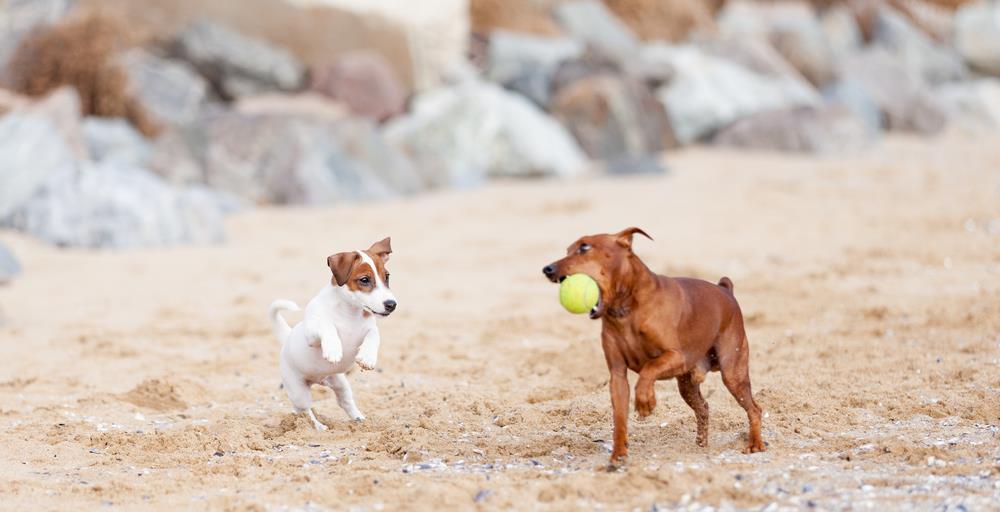
People look up outdoor activities for pets when their dog is restless, their cat is curious about the yard, or a small pet seems a bit flat indoors. The aim is usually simple: more movement and more interesting days, without taking on avoidable risks.
Australia makes that balancing act feel close at hand—beaches, bush tracks, parks, and backyards everywhere you turn, plus heat, wildlife, and local rules that can change from one suburb to the next. The sections below focus on activities that fit real pets, then on the quiet details that keep an outing safe.
Why outdoor time matters (when it’s done well)
Body health
Regular, appropriate exercise supports healthy weight, stronger muscles and joints, and better fitness. It also helps many dogs settle at home, because they’ve had a chance to move at their own pace rather than storing up energy indoors.1
Brains and behaviour
Outside, the world changes minute to minute—new scents, shifting sounds, different surfaces underfoot. That sensory variety is a form of enrichment, and for many pets it reduces boredom behaviours like destructiveness or noisy attention-seeking.1
Social learning (for the right individuals)
Some pets benefit from calm, controlled exposure to other animals and people. Others find it overwhelming. The useful goal is not “more social”, but “more comfortable”, built gradually and without forcing greetings.
Outdoor activities for dogs
Walks with a purpose (not just distance)
A good dog walk isn’t always long. It’s steady, sniff-friendly, and suited to your dog’s age, build, and health. For young puppies, start with short lead walks and build gradually; overdoing it can be a problem in growing dogs.1
Dog parks and off-lead areas (use judgement)
Off-lead time can be valuable, especially in fenced areas where dogs can regulate their own pace. Choose quiet times, watch body language, and leave early if play turns rough or one dog can’t disengage.1
Swimming and beach visits
Swimming can be excellent, low-impact exercise when it’s supervised. Pick a beach or swimming spot that’s explicitly dog-friendly, keep fresh drinking water on hand, and rinse salt or sand off afterwards—especially between paw pads.1
Hikes and bushwalks (where pets are actually permitted)
In Australia, many national parks do not allow dogs and other pets, with limited exceptions (for example, travelling through on certain roads, or specific designated areas in some park types). Always check the rules for the exact reserve you’re visiting before you go, not just the wider region.7
Outdoor activities for cats (without turning them loose)
Harness and lead training (slow, quiet steps)
Some cats can learn to explore outdoors in a harness, but the early stages are usually indoors: short sessions, calm rewards, and stopping before your cat becomes stressed. Once outside, start with a small, familiar area and keep sessions brief.
Catios and secure outdoor runs
A secure enclosure lets a cat watch, sniff, sunbathe and climb while staying contained. RSPCA guidance commonly frames this as “indoors with an outdoor enclosure” (or similar contained options), which can reduce the risks that come with roaming while still offering outdoor stimulation.6
Backyard play that feels like hunting (without the hunt)
In a contained yard or enclosure, short bursts of interactive play suit many cats better than long sessions. Think feather toys, dangling lures, or games that let a cat stalk, pounce, then pause.
Outdoor activities for small pets
Rabbits and guinea pigs: grazing time with strict protection
Many small mammals enjoy fresh grass and natural light, but only in a predator-proof run with shade and constant supervision. Avoid the hottest part of the day, and bring them back inside well before they tire or overheat.
Birds: outdoor time only with secure containment
For companion birds, outdoor time generally means a secure aviary or a properly fitted harness, with close supervision. Wind, dogs, and sudden noises can spook even a settled bird, so choose calm settings.
Reptiles: sunlight with temperature control
Some reptiles benefit from access to natural sunlight, but overheating can happen quickly. Use a secure enclosure, provide shade, and monitor temperature closely—outdoor time should stay within the species’ safe range.
Safety first: the checks that prevent emergencies
Heat, hot surfaces, and hydration
Australian summers can turn a normal outing into a medical emergency. Aim for early morning or late afternoon/evening activity, offer water regularly, and assume dogs can overheat faster than you expect—particularly flat-faced breeds, older dogs, overweight dogs, and those with health conditions.2, 4
If you suspect heat stress or heatstroke, start cooling immediately and seek urgent veterinary help. Heatstroke can damage organs and can be fatal.3
Identification and microchipping (and keeping details current)
In Australia, microchipping and registration requirements vary by state and territory, but the underlying safety point is consistent: a microchip is only useful if it’s scanned and the recorded contact details are up to date. Pounds and shelters may scan incoming animals within set timeframes, which helps reunite lost pets faster when records are current.5
Wildlife, toxins, and baiting areas
Australia’s bushland has hazards that don’t announce themselves—snakes, paralysis ticks in some regions, and poison baits in certain control programs. Some NSW National Parks and reserves publish local alerts for 1080 baiting; the guidance is blunt for a reason: it is lethal to dogs and cats, and pets must not enter baiting locations.8
Sunscreen: use only products your vet recommends
Some pets do need sun protection (especially light-coloured coats, sparse fur, or pale noses and ears), but don’t assume human sunscreen is safe if licked. Ingestion can cause gastrointestinal upset, and zinc oxide products in particular can contribute to symptoms; speak with your vet about what to use and how to apply it safely.9
Gear that makes outdoor time smoother
Leash, harness, and a visible ID tag
A well-fitted harness gives many dogs better comfort and control than a collar alone. Even if your pet is microchipped, a visible tag can speed up a reunion when someone finds them close to home.
Water you can actually carry
A bottle and a collapsible bowl are small things that matter on warm days. Offer water before your pet looks thirsty, and pause more often than you think you need to.2
A simple first-aid plan
Know where the nearest vet is when you’re travelling, keep a basic kit in the car, and save emergency numbers in your phone. It’s quiet preparation that you’ll be glad to have once.
Introducing outdoor activities without overfacing your pet
Start small, then build
Short, predictable outings let a pet learn the pattern: harness on, outside for a bit, then home. For puppies, in particular, exercise should be introduced gradually and kept age-appropriate.1
Watch the signs that say “enough”
Slowing down, lagging behind, frantic scanning, pinned ears, repeated shaking-off, or sudden refusal to move are all useful signals. When you end an outing early, you’re not “ruining” it—you’re teaching your pet that you’ll listen.
Make it routine, not a big event
Regular, modest outdoor time tends to do more than occasional epic adventures. A dog that gets steady daily enrichment often copes better with the rare big day out.
Choosing pet-friendly places in Australia
Rules can vary sharply across councils, reserves, and beaches, and they do change. Before you load the car, do a quick check of the managing authority’s page for that exact location. In Queensland, for example, guidance is clear that pets aren’t allowed in national parks, while some other nearby park types may permit dogs on leash in specified areas.7
Final thoughts
The best outdoor activity is the one your pet can do safely, repeatedly, and with curiosity intact. Keep it cooler than you think, steadier than you feel like, and always within the local rules. Over time, those ordinary outings—park grass underfoot, salt air off the water, a slow sniff along a fence line—add up to a healthier animal and a calmer home.
References
- RSPCA Pet Insurance (Australia) — Tips for exercising your dog
- RSPCA Pet Insurance (Australia) — How to safely exercise your dog or puppy
- Cornell University College of Veterinary Medicine — Heatstroke: a medical emergency
- American Veterinary Medical Association (AVMA) — Cooler heads prevail: preventing dogs from overheating
- Agriculture Victoria — Permanent ID, microchips and scanners
- RSPCA NSW — Keeping cats safe at home (indoors and enclosures)
- Queensland Department of the Environment, Tourism, Science and Innovation — Dogs and pets in parks
- NSW National Parks and Wildlife Service — Local alerts (1080 baiting and pet warnings)
- ASPCA — Pets and sunscreen: safety and ingestion risks

Veterinary Advisor, Veterinarian London Area, United Kingdom