
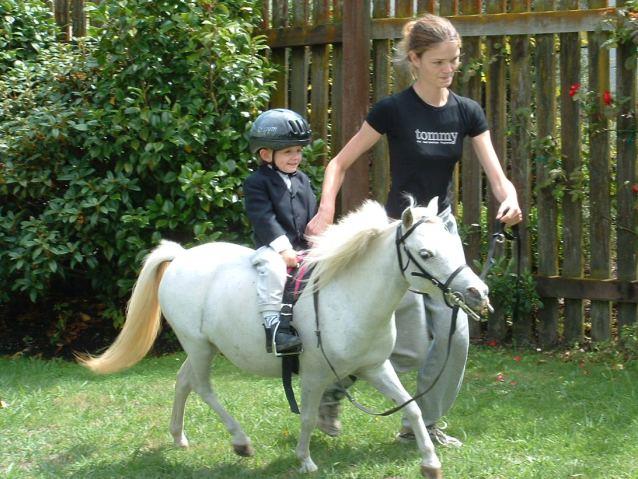
People usually start looking up miniature horses when they’re deciding whether one could live well on their property — and whether they can realistically manage the feeding, fencing, hoof care, and long-term costs. They’re small, yes. But they are still horses, with horse-strength habits and horse-health problems that can arrive quietly and then become expensive or painful to fix.
Below is a practical, Australia-leaning guide to what miniature horses are (and what they aren’t), how big they really get, what they need day to day, and the common mistakes that shorten comfort and lifespan. Where a claim matters, it’s backed by an authoritative reference.
Height: Up to 34 inches / 86 cm at the withers (miniature category)1, 2
Weight: Highly variable; often ~70–100 lb (32–45 kg) for many minis, but body condition and breeding matter3
Colour: Any colour and markings are accepted in common breed standards1
Coat: Varies by individual; many grow dense winter coats (not inherently “silky”)
Build: Horse-like proportions are preferred in many registries (not a pony build)1
Temperament: Often described as sensible and trainable; individuals still vary1
What counts as a “miniature horse” (and why height is measured differently)
In Australia, miniature horse registries commonly set the upper limit at 34 inches (86 cm) measured at the base of the last hair of the mane, on a hard, level surface.1, 2 Animals taller than that are often placed into a “small horse” category (commonly up to 38 inches / 96.5 cm), depending on the organisation.2
This measurement detail matters. It’s easy to misread “8 hands” as a simple wither height and end up buying a youngster that later measures out of the miniature class. If registration or showing matters to you, confirm how the horse is measured before money changes hands.1, 2
History and origin (short version)
Small horses have been bred in different places for different reasons — novelty, companionship, and practical work where a compact animal was useful. Modern “miniature horse” types were refined through selective breeding and then formalised by registries, with height limits and conformation standards written into rules.1, 2
Physical characteristics
Appearance
A well-bred miniature horse looks like a small horse rather than a pony: a refined head, balanced proportions, and a level, athletic frame are typically preferred in breed standards.1 Coats can be any colour and pattern, and many minis grow thick seasonal coats, especially in cooler districts.
Strength in a small body
Miniature horses can be surprisingly strong and quick. That strength is part of their charm, but it also means fencing, handling, and training should be approached with the same seriousness as any other equine.
Temperament and behaviour
Many miniature horses are described in breed standards as intelligent, curious, gentle, and easy to train.1 In real paddocks, temperament still depends on genetics, handling, pain levels (especially feet and teeth), and whether the horse has appropriate company.
A calm miniature horse is not automatically “safe” with children. Supervision and basic handling rules matter, because small hooves can still crush toes and a startled horse can still knock a person over.
Housing and environment (Australia)
Space, grazing, and the quiet risk of “too much feed”
Miniature horses need room to move, shade, clean water, and shelter — but they don’t necessarily need rich pasture. In fact, easy access to lush grass is one of the most common pathways to obesity and laminitis in small equines and “easy keepers”.4
Fencing basics
Use horse-safe fencing that is visible and well maintained. Small horses can slip through gaps that would stop a big horse, and they can get caught where a larger animal would simply bounce off. Avoid barbed wire wherever possible.
Shelter and weather
A simple shelter that blocks wind and rain, with good ventilation and a dry standing area, goes a long way. In hot Australian summers, shade is not optional; heat stress can build without drama, especially where there’s little breeze.
Health and lifespan
Common health issues in miniature horses
Miniature horses are prone to the same big-ticket problems seen in other easy-keeping equines — especially weight-related disease. Obesity and insulin dysregulation raise the risk of laminitis, a painful hoof condition that can become chronic.4
Dental crowding and bite issues can also occur in small-muzzled horses. Routine dental checks are not a luxury; they’re part of keeping weight, comfort, and behaviour steady.
How long do miniature horses live?
With good care, miniature horses can live for decades. Many owners plan on a long commitment: years of farrier work, dentistry, parasite control, and careful feeding.
Preventative care checklist
- Book regular veterinary checks and keep vaccinations and parasite control current (local advice varies).
- Use a farrier schedule that keeps feet balanced (many horses need trimming every 6–8 weeks; your farrier will advise).
- Arrange routine dental exams, especially if the horse drops feed, loses weight, or becomes head-shy.
- Track body condition, not just kilograms. A small horse can be dangerously overweight without looking “huge”.4
Grooming and maintenance
Coat care
Regular brushing keeps the coat clean, lets you check for rub marks and skin issues, and helps you notice weight change early. Bathing is occasional; frequent washing can strip oils and irritate skin.
Hooves and teeth
Feet and teeth are the two places miniature horses quietly collect trouble. Hoof shape changes, heat in the feet, or a pottery stride should be treated as urgent, because laminitis can escalate quickly.4
Diet and nutrition
Start with forage, then get precise
Most miniature horses do best on controlled forage: measured hay, limited pasture, and minimal high-sugar treats. A useful rule of thumb for many horses is that daily dry feed intake often sits around 1.5–2% of bodyweight, adjusted for workload, age, and health status.5
If your horse is overweight or has had laminitis, talk to your vet about a plan that reduces non-structural carbohydrates (sugars and starch) and manages insulin risk.4
Feeding tips that prevent the usual problems
- Weigh hay with a luggage scale instead of guessing.
- Use slow-feeder nets where safe, to stretch meals and reduce boredom.
- Be cautious with spring pasture. Consider a grazing muzzle or restricted turnout if weight is trending up.
- Keep clean water available at all times.
Training and exercise
Miniature horses learn quickly, but they also learn patterns you didn’t mean to teach. Calm, consistent handling and short sessions tend to work best. Exercise matters, not for “burning energy”, but for keeping feet, metabolism, and muscles in workable order — especially for horses at risk of insulin dysregulation.4
Fun facts (kept honest)
Miniature horses and guide work
Miniature horses have been used as assistance animals in some settings. In the United States, ADA guidance requires reasonable policy modifications to allow trained miniature horses in some cases, with practical factors like size, control, and facility safety considered.3, 6 In Australia, assistance animal laws and access rules differ by state and territory, so check local requirements before assuming any public-access rights.
Smallest horse on record
“Thumbelina” is widely reported as the smallest horse on record at around 43 cm tall, though she had dwarfism and should not be treated as a normal size target for breeding or health.7
Final thoughts
A miniature horse can fit neatly into a life that has room for routine: measured hay, safe fencing, steady hoof care, and the patience to handle them as horses, not ornaments. Done well, the reward is quiet companionship — a small animal moving through its paddock with the same attentiveness and presence as a full-sized horse, just closer to the ground.
References
- American Miniature Horse Association (AMHA) – Breed standards
- Miniature Horse Association of Australia (MHAA) – Miniatures and small horse height information
- ADA.gov – ADA Requirements: Service Animals (Miniature horses section)
- Merck Veterinary Manual – Equine metabolic syndrome and laminitis risk
- Agriculture Victoria – Feed requirements of horses
- ADA National Network – Miniature horses and the ADA (FAQ)
- Wikipedia – Thumbelina (horse)

Veterinary Advisor, Veterinarian London Area, United Kingdom