
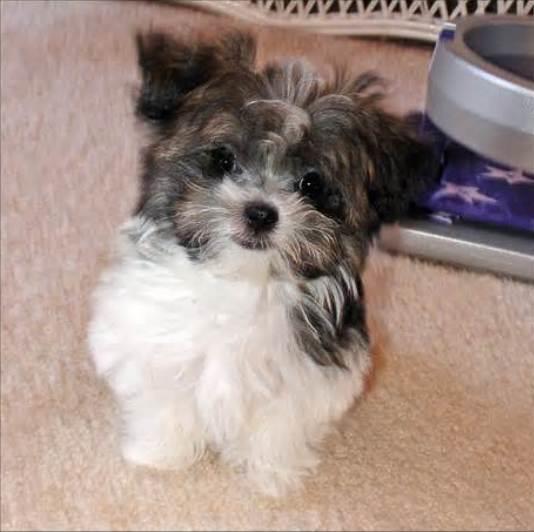
People usually end up searching “Mi-Ki dog” when a small, silky-coated companion catches their eye and they need to check the basics fast: how big it really gets, what its coat is like, whether it sheds, and what kind of care (and vet bills) tend to follow a toy-sized dog home.
The Mi-Ki is still a rare, developing companion breed, and that matters. The “official” story, coat types, and recognition vary depending on which registry you’re reading, and that can affect everything from what breeders test for to what you’ll see in adult size and coat. Below is the clearest, evidence-backed picture: origin and recognition, what a Mi-Ki typically looks like, how they tend to behave, and the practical care checks that keep a tiny dog steady and comfortable.
Mi-Ki at a glance
- Size: Small toy companion; commonly under 10 lb (about 4.5 kg), with many dogs lighter than that.1
- Coat: Single coat (no true undercoat). UKC recognises the long coat variety in its standard; other clubs may show more than one coat/face variety.1, 3
- Colours: A wide range of colours and markings are seen and accepted in breed standards published by Mi-Ki clubs.3
- Temperament: Bred as a companion dog; generally described as calm, affectionate, social, and responsive to training when handled gently and consistently.1, 2, 3
- Exercise: Short daily walks plus indoor play and sniffy “mini-adventures” suit most individuals.
- Common health watch-outs: Patellar luxation is a known concern across toy breeds; dental disease risk is also higher in small dogs, so home tooth care matters.6, 7
- Life expectancy: Often reported around the low-to-mid teens, but lifespan varies with genetics, dental care, body condition, and routine veterinary care.
Origins and history (and why you’ll see conflicting claims)
Most reputable breed accounts place the Mi-Ki’s development in the United States, with foundation dogs emerging in Wisconsin in the 1980s. Records from the earliest breeding are widely described as incomplete, which is part of why different organisations tell the story a little differently and why the exact mix of contributing breeds is still debated.1
One consistent thread is the connection to an original Shih Tzu breeder in Wisconsin who introduced other small companion breeds into the early lines (often listed as including Maltese, Papillon, Japanese Chin and Yorkshire Terrier, among others).1, 2
Breed recognition and standards: what’s actually “official”?
The Mi-Ki isn’t an Australian National Kennel Council (ANKC) recognised breed. In practice, you’ll mostly encounter Mi-Kis registered through overseas or independent registries and breed clubs.
The United Kennel Club (UKC) recognises the Mi-Ki as a breed (recognised 1 January 2016) and publishes a breed standard describing it as a small, elegant toy-type companion dog.1
Separate breed clubs also publish their own standards. For example, the American Mi-Ki Club describes a single-coated breed with two coat/face varieties shown separately in its club standard (revised standard effective 18 February 2017).3 The practical takeaway is simple: if you’re comparing puppies, ask which standard the breeder is breeding towards, and which registry paperwork you’ll receive.
Physical characteristics and appearance
Seen at ground level, a Mi-Ki is a fine-boned, toy-sized dog with a long, silky coat and a light, tidy outline. The coat is typically described as single-coated rather than double-coated, which often means less “seasonal blow” than many double-coated breeds, but it does not mean no grooming and it does not guarantee suitability for people with allergies.1, 3
Size varies by line, and “teacup” marketing is best treated with caution. A healthier goal is a sturdy little dog with good knees, sound breathing, clean teeth, and a confident gait, rather than chasing the smallest number on the scale.
Do Mi-Kis shed?
Single-coated dogs can still drop hair. Many owners report relatively low shedding, but coat length, grooming routine, and the individual dog all matter, and there’s no reliable way to promise “non-shedding” or “hypoallergenic” for any breed.1
Temperament and day-to-day behaviour
Mi-Kis are bred primarily as companion dogs: close to people, small enough to travel easily, and generally responsive to gentle handling. Breed sources commonly describe them as calm, social, and adaptable in the home.1, 2
Like any toy breed, they can develop nuisance barking or clingy behaviour if their world is too small or unpredictable. Quiet structure helps: regular mealtimes, short training sessions, and calm exposure to everyday sights and sounds.
Grooming and coat care
A long, silky coat tangles in the same places, again and again: behind the ears, under the collar, in the “armpits”, and at the groin. Light, frequent brushing is usually easier on the dog than occasional heavy sessions.
- Brush little and often: focus on friction points and check the skin, not just the topcoat.
- Keep nails short: long nails change how a small dog stands and can worsen strain through the toes and knees.
- Bathing: as needed, using dog-specific products; dry thoroughly to avoid damp mats close to the skin.
Health concerns to understand before you buy
The Mi-Ki is promoted as a companion breed with an emphasis on temperament and soundness, but it remains a small, relatively rare breed, and health outcomes depend heavily on breeder selection and testing.
Patellar luxation (kneecap slipping)
Patellar luxation is common across toy and small breeds. It can range from an occasional skip to persistent lameness and arthritis, and it may be heritable.6 Ask what the parents’ patella results were, who assessed them, and whether documentation is available.
Dental disease risk in small dogs
Small dogs are over-represented in dental disease, and the consequences aren’t just bad breath. Gum disease can be painful and can affect overall health, which is why daily or near-daily tooth brushing is often recommended by animal welfare organisations and vets.7 If you’re choosing between two puppies, the one from lines with consistently good teeth (and owners who actually brush them) is often the quieter “win” over time.
Training and exercise needs
Mi-Kis tend to learn quickly with calm, reward-based training. Keep sessions short. Let the dog succeed. A minute of good work is more useful than ten minutes of nagging.
- Exercise: short walks and indoor play; avoid big jumps off furniture, especially in young dogs with developing joints.
- Socialisation: steady exposure to surfaces, noises, gentle dogs, and friendly people matters more than “meeting everyone”.
- Enrichment: food puzzles, scatter-feeding, and sniffing games suit toy dogs without overloading their joints.
Choosing a Mi-Ki puppy in Australia (rare breed, real-world checks)
Because Mi-Kis are uncommon in Australia and not ANKC-recognised, it’s worth slowing down and doing a few quiet checks that protect both you and the dog.
- Never buy sight unseen. Visit where the puppy was raised, and look at cleanliness, space, and the adults’ temperaments.8, 9
- Ask for health documentation. At minimum, ask about patella assessment, eye checks, and any DNA profiling/parentage verification offered through their registry.2, 6
- Be cautious with “rare” marketing. Scarcity shouldn’t mean secrecy, rushed deposits, or no paperwork.
- Plan your first vet visit early. Your vet can confirm overall health, discuss parasite control, and map out vaccinations appropriate for your area and lifestyle.10
Rescue and rehoming
Mi-Kis do appear in rehoming and rescue pathways, though less often than common breeds. If you’re open to an adult dog, you may get a clearer view of coat, size, and temperament from day one. The same principles apply: meet the dog, ask for vet history, and avoid online “delivery-only” arrangements.9
Final thoughts
A Mi-Ki, well bred and well kept, is a small companion dog built for close company: a light footfall across the hallway, a soft coat that needs steady upkeep, and a bright mind that settles when the routine is kind and predictable. The biggest risks tend to be ordinary toy-dog risks—knees and teeth—magnified by the realities of a rare breed where standards and records vary. Choose the breeder (or rescue) with transparency and health proof, and you give the dog the best odds of a long, quiet life.
References
- United Kennel Club (UKC) – Mi-Ki Breed Standard (includes history and recognition date)
- International Mi-Ki Registry (IMR) – The Mi-Ki (breed background and health requirements noted by the registry)
- American Mi-Ki Club – Breed Standard (revised standard effective 18 February 2017)
- American Mi-Ki Club – About AMC (club background and timeline claims)
- Wisdom Panel – Mi-ki breed overview (history summary and care notes)
- Orthopedic Foundation for Animals (OFA) – Patellar Luxation overview
- Animal Welfare League (AWL) – How to care for your dog’s teeth
- RSPCA Knowledgebase – How do I avoid supporting puppy farms?
- RSPCA Knowledgebase – Safe ways to look for a companion animal online
- RSPCA Knowledgebase – What vaccinations should my dog receive?

Veterinary Advisor, Veterinarian London Area, United Kingdom