
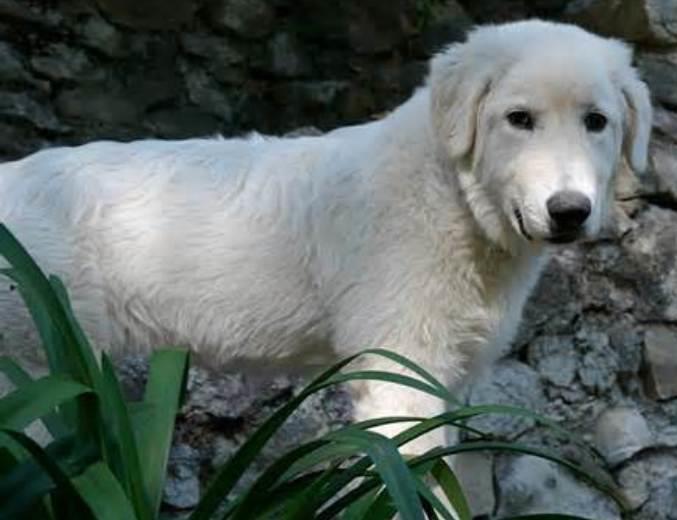
People usually look up the Maremma Sheepdog when they’re weighing up a big decision: a white guardian dog for stock, or a calm-looking family dog that might actually come with serious instincts and a strong voice. Get it right and you have a steady, capable companion. Get it wrong and you may end up with a large dog that patrols the fence line, barks at movement, and makes suburbia feel very small.
Below is a grounded overview of size, temperament, care, and the practical realities of living with a livestock guardian breed—based on recognised breed standards and veterinary guidance, not folklore.
Size: Large breed. Dogs: 35–45 kg and 65–73 cm at the withers. Bitches: 30–40 kg and 60–68 cm at the withers.1
Coat: White double coat: harsh, longer outer coat with a dense undercoat (heavier in winter). Slight waviness is permitted; curls are not.1
Temperament: Independent, watchful, courageous but not aggressive; typically reserved with strangers. Nervousness or aggression is undesirable in the breed standard.1, 2
Life expectancy: Often around 12–14 years (individuals vary).2
Health: Generally robust, but—like many large breeds—can be affected by conditions such as hip dysplasia, and is at risk of gastric dilatation-volvulus (GDV/bloat), an emergency.3, 4
Exercise: Needs daily movement and a job to think about; best suited to space and a routine rather than brief bursts of activity.2
Grooming: Regular brushing, with heavier shedding seasonally; coat is designed for weather and work, not constant bathing.2
Training: Early, steady training and socialisation matter. Expect independence rather than instant obedience.5
Living conditions: Often thrives where it can survey, patrol, and settle—typically rural or semi-rural. In close neighbourhoods, barking and wariness can become a management issue.5
Special considerations: Bred to guard livestock, so territorial and protective behaviours are normal breed traits and need thoughtful handling (secure fencing, calm introductions, clear boundaries).5
History and origin
The Maremma Sheepdog is a livestock guardian dog from Italy, developed to live alongside flocks and deter predators through presence, vigilance, and confident barking rather than herding. That heritage still shows in the way many Maremmas choose a vantage point, scan quietly, then react fast when something changes.2, 6
Physical characteristics
A typical Maremma is large, strong, and built for long hours outdoors. The outline is sturdy rather than rangy, with a coat that sits close to the body and a thicker “collar” around the neck. Breed standards call for solid white, with limited shading (ivory, pale orange, or lemon) tolerated if not excessive.1
The coat is functional: it insulates, sheds weather, and protects skin. It also sheds—often in noticeable seasonal waves—so grooming is more about removing dead undercoat than keeping a show-room finish.2
Temperament: what it’s like to live with one
Maremmas are bred to make decisions at a distance from people. That independence is not a training “flaw”; it’s the point. In a home setting, it can look like selective listening, boundary-testing, and a preference for watching the world rather than joining every activity.
Common, realistic traits include:
- Reserved with strangers: Often calm, sometimes suspicious, especially on their own property.2, 5
- Protective and territorial: A Maremma may place itself between family/stock and whatever it’s assessing.5
- Vocal alerting: Barking is part of the guardian toolkit. Without guidance, this can become a neighbourhood problem.5
They can be gentle with familiar people, including children, but supervision matters with any large dog—especially one that is wired to manage space and movement.
Training and exercise
Training a Maremma is less about drilling commands and more about building reliable habits: how to greet, where to settle, what the fence line means, and when to stop barking. Consistent, reward-based training is generally the most productive approach, especially in a breed that may push back against force or repetition.7
Exercise needs are real, but the bigger need is purpose. Long walks, patrolling a property, structured play, and calm mental work (scent games, boundary training, predictable routines) tend to suit them better than high-chaos activities.
Health: what to watch for
No breed is “problem-free”, and large dogs come with predictable risks. Two issues are worth treating with extra respect:
- Hip dysplasia: A developmental joint condition seen across many medium-to-large breeds. If you’re buying a puppy, ask breeders about hip scoring and health history, and discuss prevention strategies (growth rate, body condition, exercise type) with your vet.
- GDV (bloat): A sudden, life-threatening emergency where the stomach dilates and may twist. Risk is higher in large, deep-chested dogs. Signs can include repeated unproductive retching, restlessness, drooling, and a rapidly distending abdomen—treat as urgent, day or night.3, 4
Grooming and coat care
The Maremma coat is designed to be practical outdoors, but it still needs regular maintenance. Brush weekly most of the year, then increase frequency during seasonal shedding. Focus on working the undercoat out before it compacts, especially behind the ears, around the ruff, and through the feathering.2
Bathe only when needed, rinse thoroughly, and dry well. Over-bathing can strip oils that help the coat shed dirt and weather.
Living with a Maremma Sheepdog: quick suitability check
A Maremma usually suits people who respect boundaries, prefer calm routines, and can provide space and secure fencing. It can be a difficult match for homes that want a social dog that welcomes every visitor or lives quietly in a small yard.
- Plan for fencing first: Height, strength, and dig-proofing matter.
- Expect night-time alerting: Many guardian breeds are more active and watchful after dark.
- Socialise early, gently, and widely: Not to make them “everyone’s mate”, but to teach stability in a busy human world.7
- Manage introductions: Visitors, tradies, delivery drivers, and new animals should be introduced with calm structure and supervision.
Final thoughts
The Maremma Sheepdog is a steady presence when its needs match the setting: room to move, a clear boundary to hold, and people who understand that independence can look quiet and stubborn, sometimes in the same afternoon. Treated as a guardian first and a pet second, it often becomes both.
References
- Dogs Australia (ANKC) – Breed Standard: Maremma Sheepdog
- Dogs Australia – Breed information: Maremma Sheepdog
- Cornell University College of Veterinary Medicine – Gastric dilatation volvulus (GDV/bloat)
- MSD Veterinary Manual – Gastric dilation and volvulus in small animals
- Dogs NSW – Maremma Sheepdog (temperament and suitability notes)
- The Kennel Club (UK) – Maremma Sheepdog breed standard
- RSPCA Australia – How do I train my dog? (reward-based training guidance)

Veterinary Advisor, Veterinarian London Area, United Kingdom