
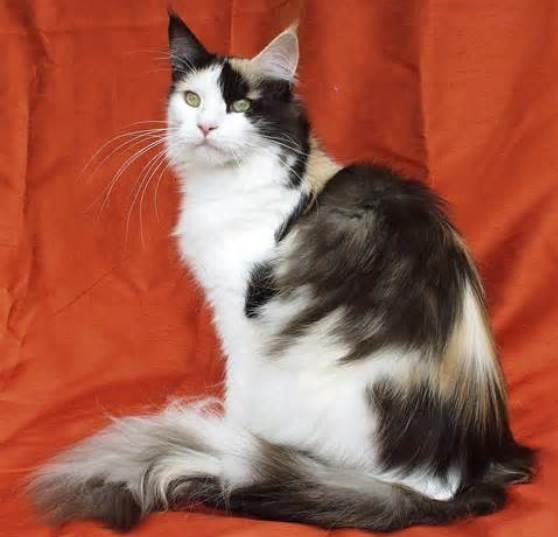
People usually look up Maine Coon cats when they’re weighing up a breeder or rescue, trying to understand the breed’s size and temperament, or checking what “common Maine Coon health issues” really means in day-to-day care. The stakes are practical: a cat this large and long-coated can thrive in an ordinary home, but only if you plan for grooming, weight management, and the right kind of veterinary screening.
Below is a clear, evidence-based guide to what Maine Coons are like to live with, what to watch for health-wise (especially heart disease), and how to keep that heavy coat comfortable rather than tangled.
Maine Coon at a glance
- Origin: United States (associated with the state of Maine)
- Size: One of the largest domestic cat breeds; adult males commonly around 18–22 lb (8.2–10 kg) and females around 12–15 lb (5.4–6.8 kg)1
- Coat: Semi-longhair, typically with a glossy, water-resistant texture and a fuller ruff and tail1
- Colours and patterns: Many; some registries exclude pointed patterns1
- Temperament: Often described as gentle, people-oriented, and sociable; typically not clingy, but likes to stay nearby1
- Typical lifespan: Often cited around 12+ years; many live well beyond this with good care1
Appearance and unique traits
Built for weather, built for movement
A Maine Coon looks like a cat drawn with a heavier pencil: a long rectangular body, substantial bone, and a tail that seems to arrive a moment after the rest of them. Breed standards describe a shaggy coat that’s longer underneath (belly and “britches”), with a more water-resistant, glossy texture than the cottony coats some long-haired cats carry.1
Ears, paws, and the famous tail
Tufted ears and large feet are common, and extra toes (polydactyly) are seen in some lines. These details are often talked about as “snow-ready”, though it’s best read as adaptation-by-selection over time rather than a single purposeful design.1
Temperament and behaviour in everyday homes
Maine Coons are widely described as gentle and friendly, with a steady curiosity. Many will follow people from room to room, supervise chores, and prefer to be close rather than on top of you. They’re often good with respectful children and can coexist well with other pets when introductions are managed calmly and gradually.1
Trainability and enrichment
This breed is commonly reported as responsive to training with rewards, and many enjoy games that involve chasing, carrying, or retrieving. Keep it simple and consistent: short sessions, predictable cues, and plenty of pauses. Their bodies are big, but their joints still appreciate sensible landings, stable cat trees, and climbing routes that don’t force long drops.
History and the myths worth retiring
Maine Coons are often described as one of the oldest natural cat breeds in North America and strongly associated with Maine, where the breed is recognised as the official state cat (1985).1 Their early “working cat” role—valued for surviving harsh winters and controlling rodents—helps explain the rugged build and practical coat described in breed histories.1
The raccoon story persists because the brown tabby pattern and bushy tail invite it, but it’s biologically impossible. Treat it as folklore, not origin.1
Health: what to watch, and what to screen for
Maine Coons are often robust cats, but there are a few conditions worth knowing about before you choose a kitten—or if you’re caring for an adult whose background is unknown.
Hypertrophic cardiomyopathy (HCM)
HCM is the most common heart disease in cats. It causes thickening of the heart muscle and can exist quietly for years before any signs appear. Maine Coons are among the breeds with increased risk, and diagnosis is typically made with echocardiography (heart ultrasound).6
Because genetic influences exist but don’t explain every case, responsible breeders often combine DNA testing (where relevant) with repeat cardiac screening by echocardiogram, rather than relying on a single result.1
Joint and mobility issues
Large-bodied cats can be more vulnerable to joint problems, and feline hip dysplasia is often mentioned in Maine Coon health discussions. If your cat seems reluctant to jump, climbs differently, or avoids being handled around the hips, book a vet check early. Preventing obesity is one of the most practical ways to protect joints over a lifetime.
When to seek urgent help
Breathing difficulty, open-mouthed breathing, or sudden weakness/paralysis in the hind limbs are veterinary emergencies in cats and can be linked to severe cardiac disease and blood clots. Seek urgent veterinary care immediately.4, 5, 6
Grooming: keeping the coat comfortable, not perfect
A Maine Coon coat can look wild and still be healthy, but mats are different. Mats pull at the skin, trap moisture, and can become painful surprisingly quickly.
Brushing routine that works
- Aim for: a weekly comb-through as a baseline, and more often during heavy shedding periods or if your cat’s coat is cottonier and prone to tangles.1
- Use: a comb and a brush that won’t scratch the skin; avoid sharp metal tools that rake too hard.2
- Keep sessions short: a few calm minutes more often beats a long wrestle once a fortnight.2
- Never cut mats out with scissors: it’s a common cause of severe skin injury. If mats are tight, your vet or groomer can clip safely (sometimes with sedation).2
Bathing
Some Maine Coons tolerate water, but most cats don’t need bathing unless they’re genuinely dirty. When you do bathe, use cat-appropriate shampoo, warm water, and a calm drying plan so they don’t chill.2
Diet, feeding, and healthy weight
Maine Coons grow slowly and can take years to fully mature. A steady body condition matters more than chasing an impressive number on the scales. Overweight cats are at higher risk of mobility issues, and weight can be hard to shift once it creeps up.
A practical way to check body condition at home
Use a body condition guide to sense-check what you’re seeing and feeling. In ideal condition, ribs can be felt (but aren’t sharply prominent), there’s a visible waist from above, and the belly isn’t swinging heavily side to side.7
Interesting (and verifiable) Maine Coon record
A Maine Coon named Mymains Stewart Gilligan (“Stewie”) was measured at 123 cm (48.5 in) in 2010 for the “longest domestic cat ever” record.8
Final thoughts
A Maine Coon is not a wild animal in a lounge room. It’s a domestic cat with a big frame, a coat that asks for regular attention, and a reputation for gentle companionship. Get the basics right—weight, coat care, and heart screening awareness—and you’ll usually see the best of the breed: steady, curious, and quietly present, like a large shadow that occasionally decides the broom is prey.
References
- TICA (The International Cat Association) – Maine Coon
- RSPCA Pet Insurance (Australia) – Grooming your cat: what you should be doing
- ASPCA – Cat Grooming Tips
- Cornell Feline Health Center – Diagnosis: Heart Disease
- Cornell Feline Health Center – Cardiomyopathy
- Cornell Feline Health Center – Hypertrophic Cardiomyopathy
- Agriculture Victoria – Cat condition score chart
- Guinness World Records – Longest domestic cat ever

Veterinary Advisor, Veterinarian London Area, United Kingdom