
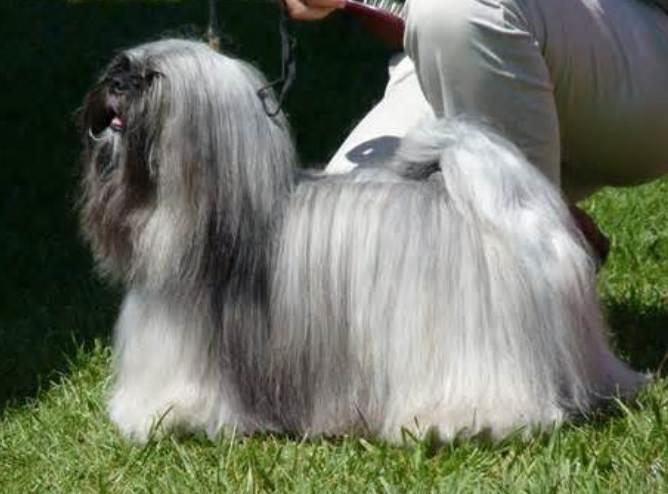
People usually end up looking up the Lhasa Apso when they’re weighing up a small dog with a big coat: “How big do they really get?”, “Are they easy with kids?”, “What health problems should I watch for?”, and “How much grooming is this going to take?” The answers matter, because this breed can be wonderfully steady at home, but only if you’re ready for the daily practicalities.
Below is a clear, breed-standard grounded overview of size, temperament, care, grooming, exercise, diet, and the health issues most often discussed with vets and breed organisations—without the fluff.
At-a-glance: Lhasa Apso basics
- Size: small, sturdy, longer than tall; ideal height about 25 cm at the shoulder for males, females slightly smaller1
- Weight: commonly around 6–8 kg, but varies with build and condition (don’t chase a number—aim for a lean, fit dog)2
- Coat: long, heavy, straight topcoat with moderate undercoat; many colours; merle is not acceptable in the UK standard1
- Temperament: alert and steady, often a little aloof with strangers; can be independent-minded1
- Exercise: moderate; short daily walks plus play and sniffing time
- Grooming: high-commitment if kept in a long coat; easier if clipped short
- Typical lifespan: often reaches the teens with good care (individuals vary)
History and origin
The Lhasa Apso developed in Tibet, where small, sharp-eared dogs were kept around monasteries and homes. Their job wasn’t to fight or chase; it was to notice—quiet feet on stone, a stranger at a gate—and raise the alarm. That watchful streak is still easy to recognise today: they tend to be observant, quick to react, and slow to be impressed by unfamiliar visitors.2
Physical characteristics
What they look like
A well-made Lhasa Apso is compact and balanced, with a heavy, straight coat that can fall to the ground if it’s left untrimmed. The tail is set high and carried over the back, feathered like a plume.1
Size and build (clearing up common confusion)
Many online summaries overstate Lhasa Apso weight. Breed standards and major breed references place them firmly in the small-dog bracket: roughly 25 cm at the shoulder (males), with females slightly smaller, and commonly around 6–8 kg depending on frame and condition.1, 2
Temperament and behaviour
Typical personality
Lhasa Apsos are alert and steady, with a watch-dog’s habit of tracking what’s happening in the home. They’re often affectionate with their own people, but not automatically friendly with everyone they meet—more “measured” than “mates with all”.1
With children and visitors
They can live well with children, especially when they’re raised together, but they’re not built for rough handling. The safest pattern is simple: calm greetings, supervised play, and teaching kids to leave the dog alone when it’s eating, resting, or cornered.
With other pets
Early, gentle socialisation helps. Many Lhasa Apsos share a home with other dogs and cats, but introductions should be paced and managed—particularly if the dog has a strong “guard the doorway” habit.
Training and exercise needs
Training: short sessions, steady repetition
This breed can be clever and independent, which sometimes reads as “stubborn”. Training usually goes best with small, rewarding sessions and clear boundaries that don’t change day to day. Harsh methods tend to backfire; calm consistency works better.
Exercise: moderate, but not optional
Lhasa Apsos don’t need long runs, but they do need daily movement and something to think about. A practical baseline is:
- 1–2 short walks a day (tailored to age and health)
- Indoor play and sniffing games
- Simple training refreshers (a few minutes at a time)
Health and lifespan
Commonly discussed health concerns
No breed is “bulletproof”. In Lhasa Apsos, organisations and vet charities commonly flag:
- Kneecaps: patellar luxation (kneecap slipping)3, 4
- Eyes: progressive retinal atrophy (PRA) and other eye problems; some programmes use DNA testing and screening to manage inherited risk3, 5, 6
- Skin: allergic skin disease/atopy in some individuals4
- Back/neurology (less common but important): intervertebral disc disease and hydrocephalus are listed by some veterinary and breed resources3, 4
Preventive care that pays off
- Keep them lean. Extra weight quietly worsens joint strain and breathing comfort.
- Do the eyes and knees check. Ask your vet to look closely at knees and eyes during routine visits, especially if you notice squinting, redness, cloudiness, or a skipping gait.
- Take dental care seriously. Small dogs are prone to dental disease; regular home care reduces painful, expensive clean-ups later.7
- Choose breeders who use health schemes. Where available, look for evidence of relevant DNA tests and eye screening in the line.5, 6
Grooming and maintenance
The coat: beautiful, but it tangles for a living
The classic long coat is heavy and straight, and it mats easily if it’s neglected. If you keep the coat long, expect frequent brushing and careful combing down to the skin, not just a quick pass over the top. Many owners choose a shorter clip for everyday practicality.1, 8
A workable routine
- Brush/comb: most days for long coats; several times a week for clipped coats (still check friction points: behind ears, armpits, groin).
- Baths: roughly every few weeks depending on coat length and lifestyle; dry thoroughly to avoid skin trouble.8
- Ears, nails, eyes: quick checks during grooming—hair can hold debris, and eye irritation should be taken seriously.
Diet and nutrition
What matters most
A balanced, complete diet suited to small dogs is usually the simplest option. Portion control matters more than people expect—Lhasa Apsos can gain weight quietly, especially when treats are generous.8
Foods to avoid
Some everyday foods are genuinely dangerous for dogs. Australian animal welfare authorities list items such as grapes/raisins (risk of kidney failure), onions/garlic (risk of anaemia), and chocolate (risk of serious poisoning) as foods to avoid.9, 10
Final thoughts
The Lhasa Apso is a small dog with an old watchman’s way of moving through a home: alert, self-possessed, and closely tuned to routine. If you enjoy grooming (or you’re happy to keep the coat clipped), can train with quiet patience, and prefer a companion that doesn’t fawn over every stranger, they can be a deeply satisfying breed to live with.
References
- The Kennel Club (UK) – Lhasa Apso breed standard
- American Kennel Club (AKC) – Lhasa Apso breed information
- Purina UK – Lhasa Apso: health and care overview
- PDSA – Lhasa Apso: common health problems
- The Kennel Club (UK) – Lhasa Apso breed health and screening guidance
- The Kennel Club (UK) – Official DNA testing scheme for GPRA in Lhasa Apsos
- Veterinary Oral Health Council (VOHC) – Accepted dental products for dogs
- Petplan – Lhasa Apso grooming and care notes
- Agriculture Victoria – Human foods to avoid for cats and dogs
- RSPCA Australia Knowledgebase – What should I feed my dog? (includes toxic foods list)

Veterinary Advisor, Veterinarian London Area, United Kingdom