
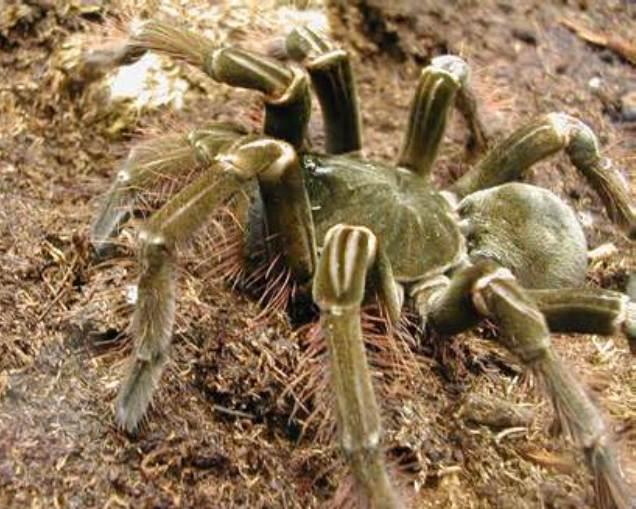
People usually start looking into “large pet spiders” after spotting a calm-looking tarantula in a shop, or after realising the loud, defensive garden spiders outside aren’t the same thing at all. The decision is mostly about safety, legality, and the kind of daily care you can realistically keep up for years.
Large spiders can be simple to keep well, but they’re not low-stakes. A secure enclosure prevents escapes, the wrong handling can end in a bite, and in Australia the rules change depending on where you live and which species you’re buying. This guide keeps the focus on pet tarantulas and other large, commonly kept spiders—what they need, what to avoid, and what to check before you bring one home.
A quick correction: Sulphur-crested cockatoos aren’t spiders
The Sulphur-crested Cockatoo is a large Australian parrot, not a spider. If you were searching for a large pet spider, you’re almost certainly looking at a tarantula (family Theraphosidae) or a similarly sized, slow-moving terrestrial spider kept in a terrarium.
What counts as a “large pet spider” (and what doesn’t)
In pet terms, “large” usually points to tarantulas and close relatives—heavy-bodied spiders that live in burrows or on bark and spend long stretches sitting still. They can be hardy when kept within their preferred temperature and humidity range, but they are still delicate animals: falls, dehydration, and stress from frequent disturbance can do real harm.
It also helps to separate pet-keeping from backyard encounters. Australia has medically significant spiders, including funnel-web spiders, which should never be treated as “pets”. Any suspected funnel-web bite should be treated as potentially dangerous and needs urgent medical care and correct first aid.1, 2
Popular pet species (common choices)
Some of the most commonly kept large spiders worldwide include:
- Chilean rose tarantula (Grammostola species): often described as hardy and generally calmer than many other tarantulas, though temperament varies by individual.
- Mexican redknee tarantula (Brachypelma hamorii): well-known in the hobby; long-lived, slow-growing, and typically better as a “look, don’t handle” animal.
Be cautious with dramatic claims about colours, sizes, and lifespan. Many tarantulas live for years, but longevity depends heavily on sex, species, and husbandry—and sellers sometimes overstate it.
Before you buy: legality and sourcing in Australia
Australia’s wildlife laws aren’t uniform. Rules depend on your state or territory, and they also depend on whether the animal is native, captive-bred, or regulated as protected wildlife.
What to check (quick checklist)
- Is the species legal where you live? Some places regulate tarantulas and other invertebrates under wildlife frameworks (for example, Queensland regulates native tarantulas—family Theraphosidae—under its animal licensing system).3, 4
- Do you need a licence? In the ACT, most animals require a licence unless they’re on an exempt list, and it’s illegal to keep many animals without the appropriate approval.5
- Are you buying from an approved source? Wildlife frameworks commonly require licensed sellers and documented captive breeding, particularly for native fauna.4
If you’re unsure, start with your state/territory environment or wildlife licensing page. It’s the fastest way to avoid buying an animal you can’t legally keep, sell, or transport later.
Housing: building a safe, stable enclosure
A large spider’s enclosure is mostly about three things: security, ventilation, and appropriate microclimate. The best-looking setup is a bad one if the lid can flex, the vents are wide enough for escape, or the spider can climb high and fall.
Core enclosure principles
- Escape-proof lid and vents: tarantulas are surprisingly strong, and small gaps get found.
- Low fall risk for terrestrial species: keep climbable height modest; a fall can rupture the abdomen.
- Substrate and shelter: provide enough depth for burrowing species, plus a hide (cork bark, half-log, or similar).
- Water always available: a shallow, stable dish is usually safer than relying on misting alone.
Feeding: what “normal” looks like
Most large pet spiders thrive on appropriately sized insects (commonly crickets or cockroaches). The usual pattern is steady, unhurried feeding—then long pauses. A tarantula that refuses food for a period is not automatically unwell; moulting cycles and seasonal slow-downs can change appetite.
Avoid offering prey that can injure the spider. If live food is left unattended and the spider is preparing to moult, the risk increases.
Handling: less is usually safer
Large pet spiders are not built for frequent handling. Even “docile” individuals can flick urticating hairs (in some New World species), bolt without warning, or bite if pressed or startled. The bigger risk, though, is often to the spider: a short fall from hand height can be catastrophic.
If you must move a spider, use calm, controlled methods—such as guiding it into a container—rather than lifting it with hands.
Health and safety concerns
Most pet tarantulas are not considered medically significant to healthy adults, but bites can still be painful and can become infected. Allergic reactions are also possible. Treat any bite seriously if symptoms escalate.
For Australian medically significant spiders (including funnel-webs and mouse spiders), first aid and urgency are different. Pressure immobilisation is recommended for suspected funnel-web or mouse spider bites, and medical attention is essential.2
When a “pet spider” is actually a wild hazard
It’s worth saying plainly: a funnel-web spider is not an exotic pet opportunity. It’s a medically dangerous animal. The Australian Museum notes that funnel-web bites must be treated as potentially dangerous, and antivenom has been available since 1981.1
If you find a funnel-web and you’re in a region where safe collection programs operate, follow official guidance and prioritise safety. Antivenom supply relies on venom collection programs, including long-running efforts supported by public donations of spiders in NSW.6
Final thoughts
Large pet spiders suit people who enjoy quiet observation: a well-made enclosure, steady conditions, and small routines done carefully. Get the legal side clear first, buy from a reputable source, and set up the habitat before the spider arrives. Then leave it room to be what it is—an animal that survives by staying still, sensing vibrations, and choosing the safest corner.
References
- Australian Museum – Australian funnel-web spiders
- Australian Museum – Spider bites and venoms (first aid guidance)
- Queensland Government – Exempt, prohibited and species class listings (includes tarantulas)
- Queensland Government – Keeping native animals (licensing framework)
- ACT Government – Keeping or selling animals in the ACT (licensing overview)
- Australian Reptile Park – Funnel-web venom program information
- NSW Environment – Native animals as pets (licensing overview)
- Government of South Australia (DEW) – Permit information for keeping native animals
- USDA APHIS – Invertebrate pets (permit and legal cautions)

Veterinary Advisor, Veterinarian London Area, United Kingdom