
People usually look up the Kangal when they’re weighing up a serious guardian dog: one that can live safely with a family, handle a big property, and still be manageable day to day. Size, temperament, training needs and health risks matter here, because a dog bred to make independent decisions around livestock won’t thrive on a small suburban routine.
Below is a clear, practical overview of the Kangal Dog (also called the Kangal Shepherd Dog): where the breed comes from, what it typically looks like, how it behaves when it’s well-bred and well-raised, and what care tends to keep a large guardian dog steady and sound.
Adult size (typical): Males ~72–78 cm at the shoulder; females ~65–73 cm (allowing small variation between standards).1, 2
Adult weight (typical working condition): Males ~48–60 kg; females ~40–50 kg (some kennel-club standards list heavier ranges).1, 2
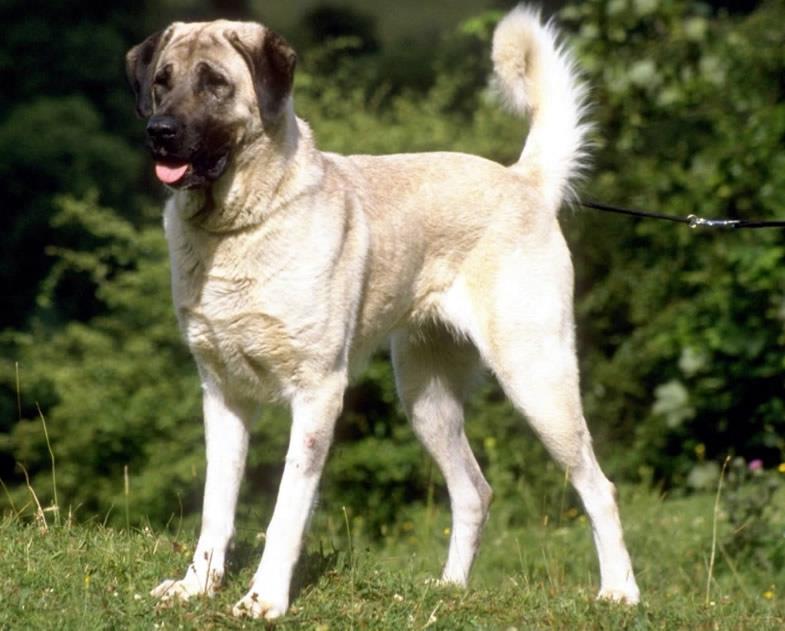
Coat: Short to moderately short, dense, with an insulating undercoat.1
Colour: Usually fawn/sand to steel-grey tones with a distinct black mask; small white markings may occur depending on the standard used.1, 2
Temperament (general): Watchful, steady, independent; typically reserved with strangers and strongly protective of territory and stock when mature.2
Life span: Often quoted around 12–15 years (varies with genetics, workload, body condition and veterinary care).2
Exercise: Built for long, unhurried movement and patrol; needs daily physical activity plus space and a job to do.2
Grooming: Weekly brushing most of the year; heavier shedding seasonally.
History and origin
The Kangal is a Turkish livestock guardian dog, developed for generations to live with sheep and goats and to deter predators. The breed’s working style is shaped by that role: quiet observation, quick assessment of movement and sound, and the confidence to act without waiting for direction.2
Outside Turkey, you’ll sometimes see the Kangal discussed alongside the Anatolian Shepherd Dog. Breed labels and standards have varied by registry and country over time, so size ranges and permitted markings can look inconsistent depending on which standard someone is quoting.1, 2
Physical characteristics
A typical Kangal is tall, athletic and deep-chested rather than bulky. The head is broad with a strong muzzle, and the black facial mask is a hallmark feature in most breed standards. The coat is dense with an undercoat that helps with both cold and heat, and it usually sits close to the body rather than flowing or feathered.1, 2
Temperament and day-to-day behaviour
The Kangal’s temperament is best understood as “guardian first”. Many are calm in familiar settings, but they tend to be naturally suspicious of unfamiliar people and dogs, and they mature into their protective instincts. This isn’t a flaw; it’s the point of the breed. It does mean early, careful socialisation matters, and ongoing management matters even more.2
Expect an adult Kangal to:
- notice change quickly (sounds at night, new vehicles, movement along fences),
- patrol boundaries if given space,
- make independent decisions, especially when it believes stock or family are at risk.2
Training and exercise needs
Kangals can learn quickly, but they’re not typically “eager to please” in the way some gundogs and herding breeds are. Training tends to work best when it is calm, consistent and practical: short sessions, clear rules, and reinforcement that makes sense to the dog.
What helps most
- Early, structured socialisation: controlled exposure to people, dogs, livestock and everyday handling before protective behaviour hardens into habit.
- Boundary training: fences, gates and routines that teach where the dog belongs and what it is allowed to guard.
- Purposeful exercise: long walks, property patrols, scent games and training tasks—less frantic fetch, more steady work.
A large, powerful guardian dog also needs secure containment. In Australia, “wild dog” management rules and definitions vary by state, but government guidance commonly treats wild dogs as including dingoes, hybrids and feral domestic dogs; keeping any dog reliably contained protects wildlife, livestock and your own dog’s safety.4, 5
Health issues and care
Kangals are generally robust dogs when bred for soundness and kept lean, but they’re still a large, deep-chested breed. That body shape comes with specific risks and responsibilities.
Hip dysplasia and joint wear
Like many large breeds, Kangals can be affected by hip dysplasia and other orthopaedic problems. The best prevention is stacked, not singular: select reputable breeders who health-test, keep growth steady in puppies (not rapid weight gain), and maintain a lean adult condition.
Gastric dilatation-volvulus (GDV, “bloat”)
GDV is a life-threatening emergency where the stomach distends and may twist. Risk is higher in large, deep-chested dogs, and management focuses on reducing known triggers and catching signs early.6
- Feed more than once a day rather than one very large meal.6
- Slow fast eaters down (for example, with a slow-feeder bowl) if your dog bolts food.6
- Avoid hard exercise around meals; allow quiet time before and after eating.3, 6
If you ever see repeated unproductive retching, a suddenly swollen abdomen, collapse, or obvious distress, treat it as an emergency and go straight to a vet.6
Kangals as livestock guardians
In the right setting, the Kangal’s natural behaviour can be a good match for livestock protection: it tends to live close to the animals it guards, assess threats at a distance, and use posture, movement and vocal warnings to deter predators before a chase becomes necessary.2
Success usually depends less on “how tough the dog is” and more on:
- starting with appropriate stock introductions (especially as a pup),
- choosing lines bred for stable guardian behaviour,
- good fencing and consistent routines on the property.
Kangals as family pets
Kangals can live as family dogs, but they are rarely an easy choice for a typical suburban home. A mature guardian dog may interpret normal neighbourhood activity—visitors, kids running, dogs on the other side of a fence—as something to manage. That management is safest when the household is calm, experienced with large dogs, and committed to training, containment and supervision.
They usually suit best when:
- there is space to move without constant frustration,
- the household can keep boundaries consistent,
- the dog has a clear role (property guardian, stock work, or structured daily routine).
Kangals in popular culture and media
You’ll sometimes see bold claims online about Kangals—especially around extreme size or “strongest bite” rankings. Treat those as marketing rather than useful information. For day-to-day ownership, temperament stability, sound structure, and responsible management are what matter.
Final thoughts
The Kangal is a purpose-bred livestock guardian: athletic, vigilant and independent. In the right environment—space, clear boundaries, experienced handling—it can be a steady presence that takes its job seriously. In the wrong one, the same traits can become difficult to live with. If you’re considering the breed, meet adult dogs, speak to working owners, and be honest about containment, training time and local legal obligations.
References
- FCI standard (as published by Kangal Selim): Kangal Shepherd Dog (size, weight, colour and mask details)
- United Kennel Club (UKC): Kangal Dog breed standard (overview and typical height/weight ranges)
- RSPCA Australia: Advice noting risk of bloat and avoiding exercise immediately before/after meals in deep-chested breeds
- NSW Environment & Heritage: Wild dogs (definition and biosecurity risk context)
- Queensland Government (Business Queensland): Wild dog (definition and restrictions)
- Cornell University College of Veterinary Medicine: Gastric dilatation-volvulus (GDV/bloat) risk factors and urgency

Veterinary Advisor, Veterinarian London Area, United Kingdom