
People usually start looking into insect pets when they want something small, quiet and genuinely interesting to observe—often for a child’s first “real” pet, a classroom project, or a low-space household where a cat or dog isn’t practical. The catch is that good insect keeping is less about cuddles and more about getting the basics right: airflow, escape-proof housing, the right food plant, and clean handling.
Below is a clear guide to popular beginner-friendly insect pets in Australia, how to house and feed them, what to avoid, and the legal and ethical lines that matter here—especially around wild collection and importing live insects, which Australia treats very strictly.1, 2
Size: Varies by species (from a few millimetres to more than 10 cm)
Lifespan: Varies by species (weeks to years; queens in some ant species can live much longer)
Diet: Leaf-eaters, scavengers, predators and omnivores depending on species
Habitat needs: Species-specific temperature, humidity, ventilation and substrate
Interaction with humans: Observation-focused; some species tolerate gentle, minimal handling
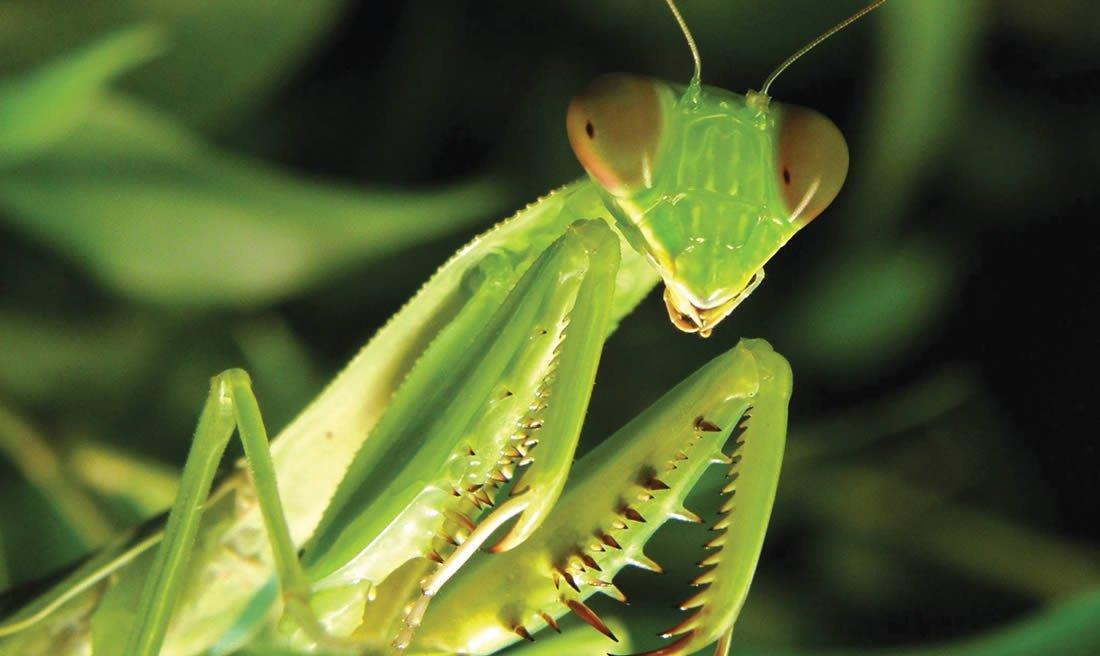
Common beginner groups: Stick insects (phasmids), some beetles, ants (with care), praying mantises (for experienced keepers)
Quick pick: which insect pet suits your home?
- Want the simplest daily routine? Stick insects (leaf supply + airflow + height for moulting).7
- Want an “ecosystem in a box” to watch? Ants (secure formicarium, careful feeding, strong escape prevention).
- Want a pet with a dramatic life cycle? Some beetles (larvae + pupation + adult stage; husbandry varies widely).
Popular insect pets
Stick insects (phasmids)
Stick insects are quiet specialists: long-bodied, slow-moving, and remarkably well camouflaged. They spend much of the day still, then feed steadily on leaves, and—when conditions are right—moult by hanging free so the new skin can harden without deforming.7
Why they work for beginners: their needs are straightforward once you understand two non-negotiables—fresh food plant and a tall, well-ventilated enclosure with safe space to moult.7
Beetles
“Beetles” covers an enormous range of species, and their care can be either simple or surprisingly technical depending on the animal. Many pet beetles spend most of their lives as larvae in substrate, feeding and growing out of sight, before pupating and emerging as short-lived adults. If you’re considering a beetle, identify the species first and then match the enclosure, substrate depth, humidity and diet to that specific animal.
Ants
Ants are less a pet you handle and more a living system you observe. A healthy colony runs on routine: a secure nest (formicarium), a controlled foraging area, regular water, and balanced food that includes both carbohydrates and protein. Escape prevention matters—small gaps become highways.
Benefits of insects as pets (and what they’re not)
Insect pets fit neatly into small spaces, and they reward attention to detail rather than constant interaction. They can be ideal for households that want a quiet, observation-based companion and a clearer look at life cycles and behaviour—without barking, shedding, or the daily demands of larger animals.
They’re not “no maintenance”. Most problems come from the same few causes: poor ventilation, the wrong humidity, unsafe food plants, mouldy enclosures, or escape routes you didn’t notice.
Housing and habitat
Start with three essentials
- Ventilation: Stale, damp air encourages mould and can stress insects.
- Escape-proof design: Fine mesh, tight lids, and careful cable/feeder gaps.
- Species-appropriate structure: height for moulting (stick insects), deep substrate for burrowers (some beetles), secure nest + outworld for ants.
Stick insect housing: the “tall and airy” rule
Stick insects need room to hang while moulting. A practical guide is to provide enough height so they can suspend themselves with clearance below—Australian Museum advice notes the importance of space for moulting and airflow in housing design.7
Use pesticide-free food branches, secured so they cannot fall. If you’re using a water container to keep leaves fresh, block access so nymphs can’t drown (a simple physical barrier is often enough).7
Ant housing: contain the nest, control the foraging
Ant setups work best as two zones: a nest area kept stable and dark, and an “outworld” where food is offered and waste can be removed. Keep the barrier system maintained (and replaced when it degrades), and assume ants will test it daily.
Feeding and nutrition
Food safety comes first
For leaf-eaters, the biggest risk is contaminated foliage. Only use food plants you can confidently source from pesticide-free areas, and avoid roadside plants where herbicide drift is common.
Stick insects: fresh leaves, always
Many commonly kept stick insects feed on specific plants. Australian Museum husbandry guidance emphasises providing leaves promptly for hatchlings and maintaining safe access to food branches without drowning hazards.7
Ants: balance carbohydrates and protein
Most ants need a steady carbohydrate source (foraging energy) and periodic protein (brood growth). Offer tiny portions and remove leftovers promptly to reduce mould and mites.
Handling and hygiene
Handle less than you think you should
Many insects tolerate gentle contact, but handling is still a risk: falls, damaged legs, disrupted moults, and stress from warmth and pressure. For stick insects, Australian Museum advice recommends using a clean, dry paintbrush for nymphs and avoiding handling until they’re mature.7
Simple hygiene that prevents most problems
- Wash hands after handling insects, enclosures, or food plants.5, 6
- Keep insect enclosures and equipment out of food preparation areas.
- Supervise young children and discourage face-to-insect contact (especially for households with under-5s or immunocompromised people).6
Health and lifespan
Common husbandry issues
- Moulting failures (stick insects): often linked to inadequate space, poor airflow, or unsuitable humidity. Ensure height for hanging moults and stable conditions.7
- Mould and fungus: usually a ventilation/cleanliness problem—reduce dampness, remove leftovers, and improve airflow.
- Mites in ant setups: often rise when food is over-supplied or not removed; tighten feeding portions and clean routinely.
How long do insect pets live?
Lifespans vary widely by species and by life stage. Many stick insects live around a year or so from hatching to adulthood, while some beetles may spend months (or longer) in larval form before a relatively brief adult stage. Ant colonies can persist for years, and queens of some species can live far longer than workers.
Legal and ethical considerations in Australia
Importing live insects as pets: generally not allowed
Australia treats live invertebrates as a serious biosecurity risk. The Department of Agriculture, Fisheries and Forestry states that importing insects and other invertebrates as pets is not permitted, with limited exceptions for approved research or zoological purposes under strict conditions.1, 3
If you see “exotic insect eggs” or overseas “hatching kits” marketed online, assume it may be illegal to bring into Australia—and likely to be seized at the border.1
Permits and rules can change by state and territory
Within Australia, keeping or moving native wildlife (including some invertebrates) can be regulated at the state/territory level. For example, Victoria outlines conditions around private wildlife licences and notes that some wildlife can be kept without a licence (with proof of lawful source), while others are restricted under licence conditions.8
Queensland’s permitting information indicates that a permit to keep protected wildlife is only issued in limited circumstances and is tied to specific legal conditions and reasons for keeping the animal.9
Practical takeaway: before buying, check your state/territory wildlife authority’s rules for the exact species, and keep receipts or other proof that the animal came from a lawful source.8
Ethical sourcing: choose captive-bred, avoid wild collection
Wild collection can damage local populations and spreads pests and pathogens between places. Captive-bred insects are also more predictable in care, and you’ll usually get clearer advice on food plants, temperature, and expected lifespan.
Common myths (quick corrections)
- “Some insects recognise their owners.” Insects can habituate to repeated disturbance and respond to light, vibration, temperature and scent, but “recognition” in the pet sense is often overstated. Treat changes in behaviour as responses to conditions, not affection or bonding.
- “Insects are always hypoallergenic.” Insects don’t shed fur, but enclosures can still hold allergens (frass, shed skins, mould). Good ventilation and cleaning matter.
Final thoughts
Insect keeping works best when it stays honest about what it is: careful husbandry, close observation, and small daily checks. Get the enclosure right, keep the food clean and suitable, handle gently and rarely, and stay on the right side of Australia’s biosecurity and wildlife rules. The reward is quiet and absorbing—life unfolding at a scale most homes never notice.
References
- Department of Agriculture, Fisheries and Forestry (Australia) – Unique or exotic pets (invertebrates not permitted as pets)
- CSIRO – Biosecurity (why preventing introduction/spread of harmful organisms matters)
- Department of Agriculture, Fisheries and Forestry (Australia) – Invertebrate animals (import permits; research/laboratory conditions)
- Department of Climate Change, Energy, the Environment and Water – Live Import List (rules for importing live specimens)
- NHMRC – Staying Healthy Guidelines: Preventing infection (contact with animals; hand hygiene)
- Better Health Channel (Victoria) – Pets: safe handling of reptiles and tropical fish (handwashing and infection risk principles)
- Australian Museum – Care of stick insects (housing, airflow, moulting space, handling nymphs)
- Victorian Government – Private wildlife licence conditions (keeping wildlife; proof of lawful source)
- Queensland Government (DESI) – Wildlife permits: Permit to keep (limited circumstances; legislation context)

Veterinary Advisor, Veterinarian London Area, United Kingdom