
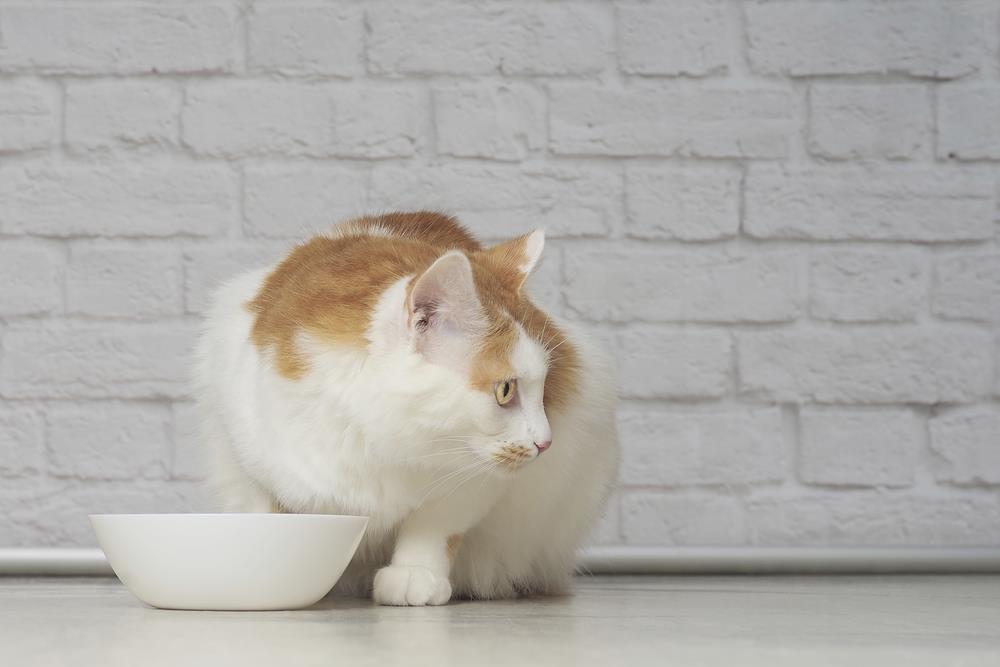
Pet weight creeps up quietly. One extra biscuit here, a shorter walk there, and suddenly the ribs are hard to find and the breath comes quicker. For many Australian households, the question is practical and immediate: is my dog or cat overweight, and what do I do next?
Extra body fat isn’t just a cosmetic issue. It shifts how joints carry load, how the body handles sugar, and how easily a pet can move, groom, and regulate heat. The good news is that healthy weight is usually manageable with small, steady changes—measured food, planned movement, and regular check-ins.
Understanding pet obesity
What “overweight” and “obese” mean
In pets, obesity is excess body fat that is likely to harm health. Vets often describe this using a Body Condition Score (BCS), which combines what you see (shape) with what you feel (fat cover over ribs and spine). A score above the ideal range means a pet is carrying more fat than their frame is designed to handle.1, 2
Why it happens
Weight gain is usually simple arithmetic: more energy in than energy out. The common drivers are generous portions, calorie-dense treats, free-feeding, and not enough daily movement. Desexing, ageing, pain (especially arthritis), and some medical conditions can also lower energy needs or make activity harder—another reason gradual weight gain can slip past unnoticed.
How common is it in Australia?
Australian figures vary by study design, but it’s consistently described as widespread. The Australian Veterinary Association has reported that around 41% of dogs and 32% of cats are overweight or obese, figures that are frequently repeated in Australian pet health materials.3
Why it matters (health risks)
Overweight pets have higher risk of reduced mobility and quality of life, and obesity is linked with shorter lifespans. It also increases the likelihood of problems such as arthritis and diabetes, and can complicate anaesthesia and surgery.4
How to tell if your pet is overweight
Quick visual and hands-on check
A healthy-weight dog or cat usually has ribs you can feel under a thin layer of fat, a waist when viewed from above, and a gentle “tuck” of the abdomen when viewed from the side. In an overweight pet, the waist softens or disappears, and the ribs become harder to find without pressing firmly.1, 5
Using Body Condition Score (BCS)
Many clinics use a 9-point scale. As a rule of thumb, a BCS of 4–5/9 is considered ideal for most dogs, and around 5/9 for most cats (some cats may sit a little higher without being unhealthy, depending on age and build). If you’re unsure, ask your vet or vet nurse to score your pet and show you what they’re feeling for—once you learn it, it becomes as routine as checking their nails.1, 2
When to see the vet first
Book in before starting a weight-loss plan if your pet is suddenly gaining weight, seems lethargic, is drinking or urinating more than usual, has breathing difficulty, or is sore on walks or when jumping. Pain and medical conditions can sit underneath weight gain, and a safe plan depends on knowing what you’re dealing with.
Nutrition: the quiet lever that moves the scales
Start with measured food, not guesswork
For most pets, portion size is the biggest controllable factor. Use a kitchen scale where you can—grams are more reliable than “a scoop”—and feed to your pet’s ideal weight target, not their current weight, with guidance from your vet.
Choose food that matches life stage and activity
Pick a complete and balanced diet suited to your pet’s age (kitten/puppy, adult, senior), size, and lifestyle (indoor cat versus active working dog). If your pet needs to lose weight, your vet may recommend a purpose-formulated weight management diet so calories can drop without compromising protein, vitamins, and minerals.
Treats: set a calorie budget
Treats work best when they’re counted, not sprinkled on top. A widely used guideline is to keep treats and “extras” to no more than 10% of daily calories, with the remaining 90% coming from a nutritionally complete diet.6
- Use part of the daily kibble allowance as training rewards.
- Choose lower-calorie options and keep them small.
- Avoid high-calorie “people food” habits (cheese, fatty meat, leftovers), which add up quickly.
Feeding patterns that help
- Scheduled meals tend to make intake easier to control than free-feeding.
- Slow feeders and puzzle feeders can stretch a meal and add gentle activity, especially for indoor pets.
- Consistency across the household matters. If one person is strict and another is generous, the scales usually reflect the generous one.
If you’ve got multiple pets, feed separately where possible—shared bowls can hide who is overeating and who is missing out.
Exercise: build movement back in, carefully
Dogs: steady, daily activity
For dogs, regular walking is the backbone, with short play sessions sprinkled through the day. Increase duration slowly, especially if your dog is unfit or has sore joints. Swimming can be useful for some dogs because it reduces joint load, but it still counts as exercise and should be introduced sensibly.
Cats: short bursts, often
Most cats exercise in quick, bright spells. Aim for several short play sessions each day—chasing a wand toy, batting a rolling toy, climbing, and “hunting” for kibble in a puzzle feeder. Keep it simple and repeatable.
A safety note for deep-chested dogs
RSPCA advice notes that dogs should not be exercised immediately before or after eating due to the risk of bloat (gastric dilatation-volvulus), particularly in large, deep-chested breeds.7
Monitoring and adjusting (without obsessing)
Track what matters
Weigh your pet regularly and record it. Pair the number with a BCS score, because body weight alone can be misleading (especially in growing pets, very fluffy coats, or muscular breeds).1, 2
Change one thing at a time
If progress stalls for a few weeks, adjust calmly:
- Reduce total daily food slightly (including treats), or
- Add a little more daily activity, or
- Switch to a vet-recommended weight management diet.
Avoid dramatic cuts. Fast weight loss can be unsafe, particularly in cats.
Use your vet team
Regular vet check-ins help keep weight loss safe and realistic, and they can pick up problems that make weight control harder (pain, dental disease, hormonal issues). Veterinary teams also tend to get better results when they show owners how to assess BCS with their hands, not just with a number on a chart.4
Preventing obesity from the start
- Teach calm feeding early: measured meals, not constant grazing.
- Make movement normal: short daily walks for dogs; daily play rituals for cats.
- Keep treats small and purposeful: training rewards, not an extra meal.
- Check body condition regularly: it’s easier to prevent 1–2 kg of gain than to undo it.
Common myths worth dropping
“Only certain breeds get fat”
Some breeds are more prone, but any dog or cat can gain weight when intake exceeds energy needs.
“Older pets are meant to be rounder”
Energy needs often fall with age. That means food usually needs adjusting down while movement is maintained in a joint-friendly way.
“My pet will stop eating when they’ve had enough”
Many pets will keep eating what’s offered. Portion control is a human job.
Final thoughts
Healthy weight management tends to be quiet and methodical: a measured scoop, a planned walk, fewer high-calorie extras, and a quick hands-on check of ribs and waist every so often. Over weeks and months, the body responds. Movement becomes easier. Breath steadies. The coat looks better. And the risks that travel with excess fat begin to ease.
References
- Purina Institute: Defining healthy body condition (BCS guidance)
- VCA Animal Hospitals: Body condition scores (how to assess and interpret)
- Dogster (citing Australian Veterinary Association): Australian pet obesity statistics (41% dogs, 32% cats)
- American Veterinary Medical Association (AVMA): Obesity linked with adverse outcomes including reduced lifespan and mobility
- Agriculture Victoria: Dog condition score chart (visual signs of ideal vs overweight vs obese)
- VCA Animal Hospitals: Maintaining weight loss in dogs and cats (treats guideline and management)
- RSPCA Australia: 4 ways to avoid obesity in your dog (including bloat caution around exercise and meals)
- PubMed: Large-scale prevalence data on overweight/obesity in dogs and cats (USA primary-care practices)

Veterinary Advisor, Veterinarian London Area, United Kingdom