
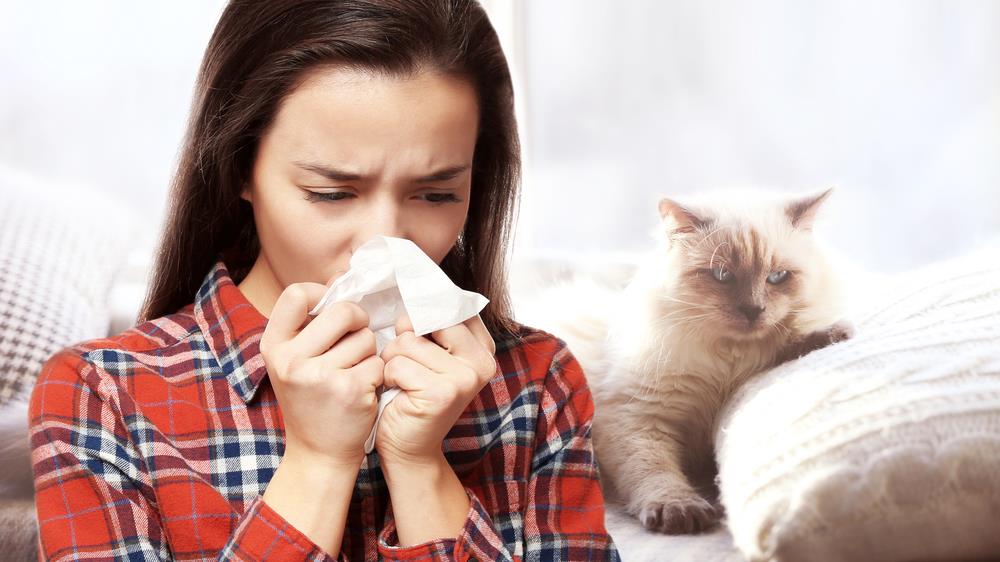
Most people land on a page like this when something simple starts repeating: you pat a cat, then come the sneezes, itchy eyes, a blocked nose, or a tight chest. Sometimes it’s your own pet. Sometimes it’s a friend’s lounge room. Either way, the question is the same: is it really the cat, and what can you do without turning daily life into a cleaning ritual?
Cat allergy is usually driven by microscopic proteins that travel on dander and dried saliva, settling into soft furnishings and hanging in the air. The good news is that symptoms can often be reduced with a few targeted changes at home, the right medicines, and (when needed) proper testing and longer-term treatment options.1, 2
What causes cat allergies (it’s not the fur)
The main cat allergen is a protein called Fel d 1. It’s carried in skin flakes (dander) and on fur after cats groom themselves, and it can build up indoors over time. That’s why symptoms can flare even when the cat isn’t on your lap—or isn’t in the room at all.2, 4
Other cat allergens exist as well (different proteins found in dander or saliva), which helps explain why one person reacts strongly to a particular cat and another barely notices.4
Common symptoms (and when it’s more than “hay fever”)
Cat allergy often looks like allergic rhinitis:
- sneezing
- itchy, watery eyes
- runny or blocked nose
- post-nasal drip, throat clearing, cough
For some people, especially those with asthma, exposure can also trigger wheeze, chest tightness, or shortness of breath. If breathing symptoms are part of the picture, it’s worth treating it as an asthma-and-allergy problem, not just a nuisance nose.3, 5
Is it really the cat? Quick clues that matter
Cat allergy is more likely when symptoms reliably appear:
- within minutes to a few hours of being around cats, or in homes with cats
- after contact with soft furnishings or bedding in a cat household (even without touching the cat)
- year-round (rather than only in pollen seasons), unless you’re reacting to multiple triggers
If you’re unsure, testing can clarify the trigger, especially when you’re deciding whether you can live with a cat long-term.
Diagnosis and testing: what’s useful (and what to avoid)
A clinician will usually start with your history—when symptoms happen, what makes them better or worse, and whether asthma is involved—then confirm sensitisation with testing.
The common evidence-based options are:
- Skin prick testing (small amounts of allergen on the skin)
- Blood testing for allergen-specific IgE
Be cautious with “alternative” allergy tests (for example hair analysis or electrodermal testing). They can be expensive and misleading, and are not recommended by Australian allergy authorities.6
Reducing allergens at home: the changes that pull their weight
Cat allergens behave like fine dust. They drift, settle, and cling to fabric. The aim is not perfection, but reducing the total load you breathe in each day.
Start with the bedroom
If you do only one thing, make it this: keep the cat out of the bedroom, and keep the door closed. It’s the one place where uninterrupted exposure (hours on a pillow and mattress) can quietly keep symptoms simmering.1, 2
Clean in ways that remove, not redistribute
- Vacuum with HEPA filtration (especially carpets and upholstery), so allergens aren’t blown back into the room.1
- Damp-dust hard surfaces rather than dry dusting, which tends to lift particles into the air.
- Wash bedding frequently, particularly if the cat has access to couches or bedrooms.
Air filtration can help, but placement matters
HEPA air purifiers can reduce airborne particles, especially in the rooms where you spend the most time. They work best alongside cleaning and cat-free zones, not as a substitute for them.1
Medicines that commonly help (and how they’re used in Australia)
Many people try antihistamine tablets first. They can help with sneezing, itching, and watery eyes, particularly for mild or occasional symptoms. For persistent or more troublesome rhinitis, intranasal corticosteroid sprays are considered the most effective treatment option, but they need regular use and good technique to work well.5, 7
If you have asthma as well as allergic rhinitis, treating the nose can support overall symptom control, but nasal sprays are not a replacement for asthma preventers (inhaled treatments).3
Simple add-ons
- Saline rinses/sprays can help clear irritants and reduce congestion, and can be used alongside other treatments.3, 5
Living with cats despite allergies: practical routines
Some households find a steady balance with a few consistent habits:
- ask a non-allergic person to handle brushing, cleaning the litter area, and washing the cat’s bedding
- wash hands after handling the cat and avoid touching your face
- use smooth, wipeable surfaces where possible; soft furnishings hold onto allergens for longer
Bathing cats is sometimes suggested, but it’s not a reliable fix and can be stressful for many cats. In practice, bedroom exclusion plus targeted cleaning tends to deliver the clearest gains.
“Hypoallergenic” cats: what to know before you adopt
No cat breed is truly hypoallergenic. Fel d 1 production varies from cat to cat, and marketing terms can be misleading. If allergies are significant, spend time around the specific cat you’re considering and confirm your triggers with proper testing before making a long commitment.8
When to seek professional help
Get medical advice sooner rather than later if:
- you have wheeze, chest tightness, or shortness of breath around cats
- symptoms are affecting sleep, work, or school
- over-the-counter medicines aren’t enough
- you’re considering immunotherapy (allergen desensitisation) or need formal testing
For some people with persistent allergic rhinitis (especially alongside asthma), allergen immunotherapy can offer longer-term benefit, but it needs specialist assessment and a clear diagnosis.9
Final thoughts
Cat allergy is often a slow accumulation rather than a single dramatic reaction: a film of protein settling into fabric, stirred up by daily movement, inhaled without notice until the body starts responding. The most reliable improvements come from reducing exposure where it matters most (especially the bedroom), cleaning in ways that actually remove allergens, and using evidence-based medicines consistently when symptoms persist.5, 7
References
- Mayo Clinic — Pet allergy: Symptoms & causes
- PMC (peer-reviewed review) — Allergies to allergens from cats and dogs: sources, pathogenesis, and strategies
- Australian Asthma Handbook — Allergy and asthma
- World Journal of Methodology — Molecular diagnosis in cat allergy
- National Asthma Council Australia — Hay fever (allergic rhinitis) and your asthma
- healthdirect (Australian Government funded) — Allergy testing
- National Asthma Council Australia — Intranasal spray technique
- Thermo Fisher Scientific (Allergen Encyclopedia) — e1 Cat dander
- PubMed — Improvement and prevention of asthma with concomitant treatment of allergic rhinitis and allergen-specific therapy (review)

Veterinary Advisor, Veterinarian London Area, United Kingdom