
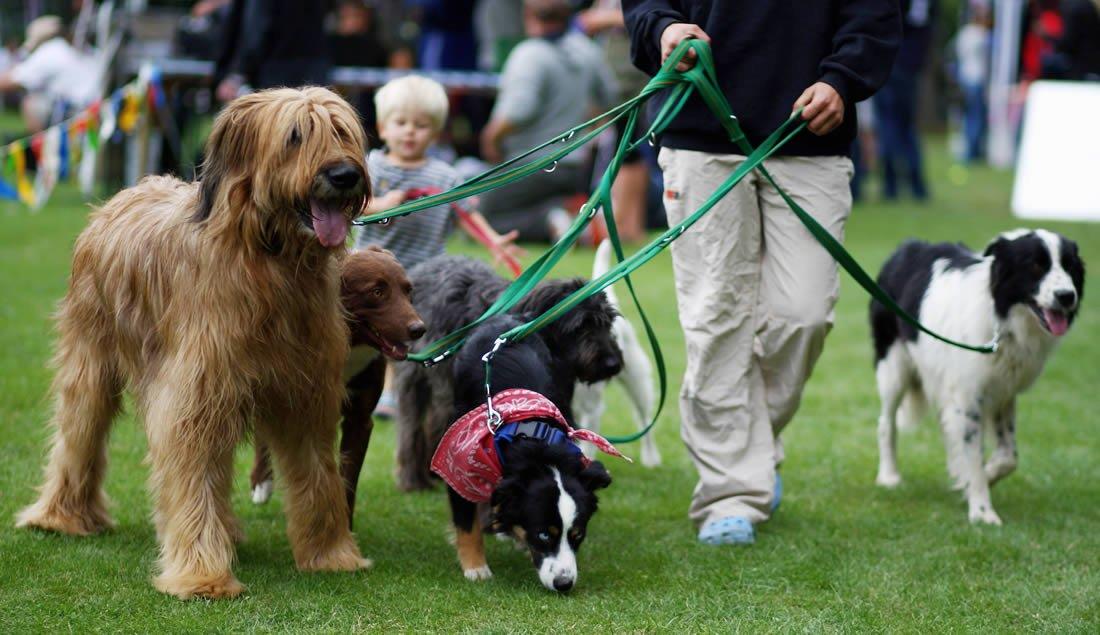
Most people start looking for “the right dog breed” when a decision is close: a lease has been approved, the kids are asking daily, or you’ve found a dog online and want to know if it will actually fit your week-to-week life. Breed choice matters because it shapes everything that follows—exercise, grooming, training, noise, health risk, and cost.
A good match looks calm on paper and feels calm at home. The sections below walk through the practical checks that matter most in Australia: your space, time, budget, activity level, and any allergies—plus a steady look at common breed traits and welfare concerns.
Start with your lifestyle (not the breed list)
Dogs are adaptable, but they are not infinitely flexible. Most problems people describe as “behavioural” begin as a mismatch between what the dog needs each day and what the household can reliably provide.
Quick self-check
- Time at home: How many hours is the house empty on a typical weekday?
- Movement: Can you confidently provide at least one daily walk, most days of the year?1
- Noise tolerance: Apartments and shared fences magnify barking and excitement.
- Weather reality: Hot days change what “exercise” is safe and sensible.
- Budget: Can you cover routine care plus an unexpected vet bill?
- Household mix: Children, older relatives, visiting friends, other pets—each adds pressure in different ways.
Why this matters
When a high-drive dog lives in a low-activity home, the dog often invents its own work—pacing, digging, chewing, escaping—because the body and brain still need somewhere to go. When a lower-energy dog is pushed into constant intensity, you can see stress, soreness, and a dog that withdraws rather than settles.
Popular dog breeds in Australia (and what “popular” can hide)
Australia has a strong dog culture—around half of households have at least one dog, and national surveys estimate more than seven million dogs across the country.2 Popularity can be useful as a clue (you’ll find more vets familiar with the breed, more training groups, more social support), but it can also hide the hard parts, especially in breeds chosen for looks or trends.
A grounded way to read breed traits
Breed traits are patterns, not promises. Within any breed you’ll still see a wide spread in confidence, sociability, noise level, and tolerance for being left alone. If you’re adopting, shelter staff can often describe the dog in front of you, not just the breed label.1
Common “type” tendencies to keep in mind
- Herding types are often bright and responsive, and can need steady mental and physical work to stay settled.1
- Terrier types are often busy and persistent, with strong interest in movement and scent.1
- Flat-faced (brachycephalic) breeds can be prone to breathing difficulty and may require more daily management and veterinary care than many first-time owners expect.1
Size and space: match the dog to your daily footprint
Space is not just square metres. It’s also hallways, stairs, slippery floors, neighbour proximity, and whether there’s anywhere calm for a dog to rest undisturbed.
What to consider in small homes and apartments
- Lift and stair access: helpful for older dogs, heavier dogs, and recovery after injury.
- Heat management: small spaces warm quickly; some dogs struggle more in heat, especially those with breathing issues.1
- Neighbouring walls: excitement and barking travel easily; choose for calm temperament and trainability, not just size.
Backyards are useful, but they don’t replace walks
A yard helps with toileting and decompression, but many dogs still need a daily walk or other structured outing for fitness and safe social exposure.1
Temperament and personality: the day-to-day feel of life with a dog
Temperament shows up in ordinary moments: how the dog settles after breakfast, how it copes when you leave, how it responds to visitors, and whether handling (collar grabs, nail trims, vet checks) is tolerated or resisted.
Match the dog to your household pace
- Busy, social homes often do better with dogs that recover quickly from excitement and can switch off.
- Quiet homes often suit dogs that naturally rest for long periods and don’t seek constant interaction.
- First-time owners usually benefit from dogs that are steady and responsive to reward-based training.1
Activity and exercise needs: more than “high” or “low” energy
Exercise is not only about distance. It’s also about enrichment—sniffing, training, gentle play, and calm exposure to the world. A dog with its needs met tends to look unremarkable: loose body, soft eyes, long naps between outings.
Plan for daily movement
As a baseline, most dogs need regular daily exercise, at least once a day.3 Beyond that, needs vary by age, health, and breed type.
Puppies need restraint, not marathons
With puppies, “more” is not always better. Guidance from the RSPCA cautions against forced exercise (like running with puppies) and repetitive high-impact games that can overdo growing joints, and notes extra care around heat and timing exercise around meals.4
Grooming and maintenance: what your week will actually contain
Coat care is part hygiene, part health check. Regular brushing removes loose hair and debris, helps prevent matting, and gives you a chance to notice skin issues, lumps, grass seeds, and parasites early.3
Choose a coat you can maintain
- Short coats usually need lighter brushing, but can still shed heavily.
- Long or curly coats can demand frequent brushing and professional grooming to prevent matting and skin trouble.1
Health and lifespan: avoid built-in suffering where you can
Every breed has known risks, and every individual dog can surprise you. Still, some health problems are closely tied to body shape. Dogs bred with exaggerated features can have serious welfare impacts and higher ongoing care needs—breathing difficulty in flat-faced breeds is a well-known example.1
Practical steps before you commit
- Ask to see health testing relevant to that breed where available (especially for hereditary issues).
- Meet the parents if you’re buying from a breeder, and observe their movement and breathing at rest and after light activity.1
- Choose a veterinarian early and discuss vaccinations and preventative care suited to your area and lifestyle; global vaccination guidance is updated regularly and is designed to be tailored by vets to individual risk.5
Cost of ownership in Australia: the quiet, ongoing commitment
Dog ownership costs are not one big bill. They arrive in steady drips—food, parasite prevention, registration, check-ups—and in occasional surges: dental work, injuries, surgery, urgent care.
Common cost ranges to plan around
RSPCA NSW provides typical first-year and ongoing cost estimates, with ongoing costs commonly landing in the four figures each year once basics are added up (food, routine vet care, parasite prevention, and grooming where needed).6 The Australian Government’s Moneysmart also summarises average annual spending categories reported in the Pets in Australia research, including food, vet services, parasite treatments, and grooming/training.7
Adoption and upfront setup
If you adopt through a shelter, some big-ticket items may already be done (such as desexing, microchipping, and vaccinations). RSPCA NSW lists adoption fees and what’s typically included.8
Allergies and “hypoallergenic” breeds: what’s true, and what helps
Pet allergies are usually triggered by proteins found in dander and bodily secretions, not the hair itself. The word “hypoallergenic” is often used for dogs that shed less, but medical allergy organisations note that no dog is completely allergen-free, and allergen levels can vary between individual dogs and homes.9
More reliable ways to reduce risk
- Spend time with the specific dog you’re considering, ideally in the home environment where you’ll live together.
- Talk with your GP or allergy specialist about testing and management if symptoms are significant.9
- Build a cleaning routine you can maintain (soft furnishings and carpets hold allergens).
- Choose a coat you can groom consistently, because grooming is part of dander control as well as comfort.3
Final thoughts
A good breed match is often quietly practical. The right dog fits your ordinary week—your work hours, your walking habits, your budget, your tolerance for noise and mess—then grows into the household without constant friction.
If you’re torn between two options, lean towards the dog whose daily needs you can meet on your busiest, most unremarkable days. That’s where long companionship is built.
References
- RSPCA Pet Insurance (Australia) — 8 considerations when choosing a dog
- Animal Medicines Australia — Pets in Australia: A national survey of pets and people (2025)
- RSPCA Pet Insurance (Australia) — Essential dog care information
- RSPCA Knowledgebase — How should I exercise my puppy?
- World Small Animal Veterinary Association (WSAVA) — Vaccination Guidelines
- RSPCA NSW — Costs of owning a pet
- Australian Government Moneysmart — Getting a pet
- RSPCA NSW — Adoption fees
- American College of Allergy, Asthma & Immunology (ACAAI) — Pet allergies

Veterinary Advisor, Veterinarian London Area, United Kingdom