
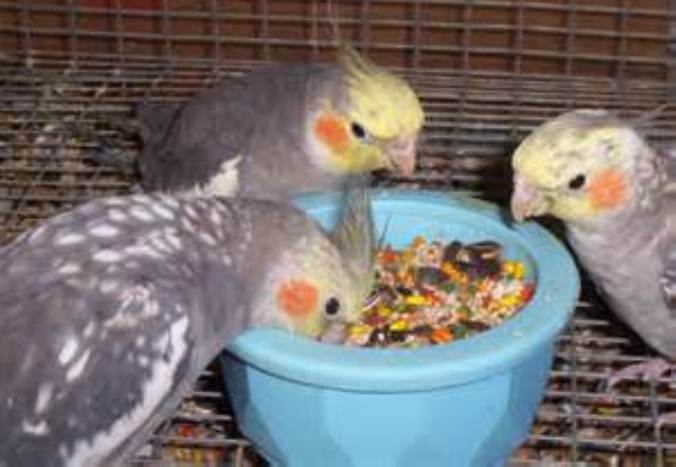
Most people start looking up bird care when something shifts from “a nice idea” to a living animal in the house: you’ve just brought a budgie, cockatiel, lorikeet or conure home, or you’re trying to fix nagging problems like a picky diet, messy cage, sudden screaming, or a bird that seems quietly unwell.
Small mistakes matter with birds. Their lungs are delicate, they hide illness, and a cramped or boring setup can unravel into stress behaviours. The aim is steady, ordinary good days: clean air, safe food, room to move, and the kind of routine a bird can relax into.
Start with the basics: what a pet bird needs every day
Across species, good care comes back to the same handful of conditions: a safe enclosure, clean water, a balanced diet, predictable light and sleep, and enough stimulation that the bird can use its body and brain.1, 2
What changes is the detail. A seed-heavy diet that might keep a finch going can shorten the healthy years of a cockatoo. A “budgie cage” sold in a pet shop is often too small for real movement. Use general guidance to set a standard, then ask an avian vet to tailor it to your species and household.
Nutrition: more than a seed bowl
For many companion parrots, a high-quality formulated diet (pellets) is commonly recommended as a base, with vegetables, some fruit, and other appropriate foods added for variety and enrichment.3
- Fresh water daily (more often in hot weather), and positioned so it’s less likely to be fouled by droppings.2
- Introduce new foods slowly. Birds can be suspicious of change, and sudden diet shifts can upset digestion.
- Keep food dry and clean. Discard anything damp, mouldy, or contaminated.
If your bird is eating mostly seed, don’t panic and don’t starve them into switching. Gradual change, guided by a vet (especially for small birds), is safer than a hard reset.
Housing and hygiene: clean, dry, and built for movement
Bird housing should be escape-proof and built so your bird can move properly: climb, hop, stretch, and (where possible) fly between perches rather than shuffling along one bar.1, 2
Set up the cage like a small patch of habitat
- Perches: Offer a few different diameters and textures, ideally natural, non-toxic wood. Avoid sandpaper perches, which can abrade feet.2
- Placement: Keep food and water away from where droppings will fall, and avoid stacking perches directly over bowls.2
- Substrate: Simple cage paper (often newspaper) is easy to replace and makes droppings changes obvious.2
Cleaning rhythm (practical and realistic)
- Daily: Replace food and water; wipe obvious droppings; remove wet food; check perches and toys for fresh mess.2
- Weekly: A thorough cage clean (base, bars, perches, bowls). Rinse well and let items dry fully before the bird returns.
Good hygiene isn’t about strong smells or harsh chemicals. Birds breathe fast and deeply; heavy fragrances, aerosols and irritating fumes can be a problem in the same small airspace the bird lives in.4
Exercise and enrichment: let them work for their day
In the wild, birds spend hours moving, foraging, shredding, chewing, and watching what’s happening around them. In a lounge room, that needs recreating on purpose.1, 2
- Movement: Perches placed apart encourage climbing and short flights within the enclosure.2
- Foraging: Hide some food in paper, safe cardboard, or purpose-made foraging toys so eating takes time and effort.1
- Rotation: Swap toys rather than piling more in. Too many objects can make a cage cramped; too few can leave it dull.
If your bird has supervised time out of the cage, treat the room as part of the enclosure: closed doors and windows, fans off, safe landing spots, and hazards removed.
Social needs: contact without pressure
Many species are naturally social, often living in pairs or groups. Social contact matters, but it should be safe and appropriate to the bird’s temperament and species.1, 2
With people, aim for steady, calm exposure: talking quietly nearby, offering food by hand if the bird is comfortable, and letting the bird choose distance. Forced handling can create long-term fear responses.
With other birds, avoid the common mistake of “letting them sort it out”. Introductions should be cautious, with the option to separate quickly. Housing birds together is not always the kind option unless they are genuinely compatible and you can manage their safety.
Grooming and bathing: support what birds already do
Many birds enjoy bathing, and regular access to a shallow dish or gentle mist can help keep feathers in good condition.3
- Use clean, lukewarm water.
- Avoid soaps, shampoos and essential oils unless specifically prescribed by an avian vet.
- Let the bird dry in a warm, draught-free place.
Nail and wing trims are easy to get wrong. If you’re unsure, book an avian vet or experienced bird groomer and ask them to show you what “normal” looks like for your bird.
Veterinary care: birds hide illness
Birds commonly mask signs of disease until they are quite unwell, so routine check-ups with an avian vet can be a quiet form of insurance: baseline weight, body condition, and a chance to spot problems early.
Seek veterinary help urgently if you notice rapid breathing, sitting fluffed and still, a sudden drop in appetite, watery droppings, weakness, or any abrupt change from your bird’s normal pattern.
Common health warnings and safety checks
Air hazards: the invisible risks
Overheated non-stick coatings (PTFE, often known by brand names such as Teflon) can release fumes that are highly toxic to birds and may cause sudden death or severe respiratory distress.5
- Keep birds well away from kitchens during cooking.
- Avoid heating unknown non-stick appliances (sandwich presses, air fryers, heat lamps, space heaters) in the same airspace as the bird.
- If you suspect fume exposure, move the bird to fresh air immediately and contact an emergency vet.
Zoonotic disease: psittacosis is real (and preventable)
Psittacosis (ornithosis) can spread from birds to people, often through inhaling dried droppings or dust from feathers and cages. People at higher risk include bird owners, breeders and pet shop workers.6
- Wash hands after handling birds or cleaning.
- Dampen droppings before cleaning so dust doesn’t lift.
- Take any sick bird to a vet promptly, and follow treatment and disinfection advice carefully.
Biosecurity: keep wild birds out of your bird’s life
For outdoor aviaries and backyard birds, reduce contact with wild birds and keep feed and water protected from contamination. These are core steps recommended by Australian biosecurity authorities to reduce disease risk (including avian influenza).7
Emergency preparedness
When a bird deteriorates, it can happen quickly. Have these basics ready before you need them:
- Contact details for your usual avian vet and the nearest after-hours emergency clinic.
- A secure travel carrier (lined with a towel, with ventilation).
- A simple plan for heatwaves, cold snaps, and power outages (birds are sensitive to temperature extremes).2
If you find multiple sick or dead birds (especially around wild birds), don’t handle them. Record the location and report it via the Emergency Animal Disease Watch Hotline (1800 675 888).7
Final thoughts
Good bird care is mostly quiet maintenance: clean bowls, fresh air, steady routines, and a cage arranged like a small working landscape rather than a storage box. Once those foundations are set, behaviour and health tend to make more sense, and problems are easier to spot early.
References
- RSPCA Australia – How to help your pet bird have a good life
- RSPCA Knowledgebase – How should I house my pet bird?
- RSPCA Knowledgebase – How should I care for my birds?
- VCA Animal Hospitals – Household hazards and dangers to birds
- Cornell University College of Veterinary Medicine – Polytetrafluoroethylene (PTFE, Teflon) toxicosis in ducks
- NSW Health – Psittacosis (Ornithosis) fact sheet
- Australian Government Department of Agriculture, Fisheries and Forestry – Bird owners and bird flu
- Queensland Government – Preventing diseases in backyard poultry
- Western Australia Government (DPIRD) – Pet birds and backyard poultry

Veterinary Advisor, Veterinarian London Area, United Kingdom