
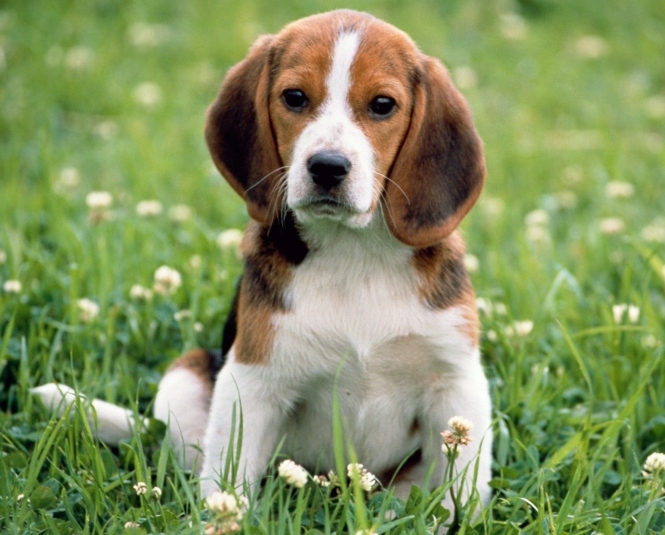
Most people look up the Harrier because they’re weighing up a breed that can keep pace with an active household—then realising “hound energy” comes with real hound habits: a powerful nose, a loud voice, and a strong need to move. Get it right and you’ll have a steady, good-natured companion. Get it wrong and the same dog can become restless, noisy, and hard to manage.
The Harrier is a medium-sized English scenthound bred to follow hare for hours. Here’s what that history looks like in daily life: how big they truly are, what their temperament is like at home, how much exercise they need, and the health and grooming basics that matter most.
Harrier at a glance
- Breed: Harrier (dog)
- Origin: United Kingdom (developed in England)
- Size: Medium
- Height: Typically around 48–53 cm at the shoulder (breed standards differ slightly by sex and organisation)1, 2
- Weight: Commonly around 20–27 kg (many fall roughly in the 20–27 kg range; individuals vary by build and condition)3
- Coat: Short, dense, weatherproof
- Colours: A wide range of recognised hound colours and markings (tri-colour is common, but not the only option)2
- Temperament (typical): Sociable, outgoing, energetic; independent “hound brain” outdoors4
- Life expectancy: Often 12–15 years3
History and origin
The Harrier developed in England as a pack scenthound for hunting hare—built for stamina rather than sprinting. That long, steady work shaped the breed you see today: a dog that can keep moving for hours, happily following scent trails that humans never notice.
People sometimes describe Harriers as sitting somewhere between a Beagle and a Foxhound in size and look. That’s a useful mental picture, but it’s the working style that matters most: nose down, moving forward, and not always checking back for permission.3
Physical characteristics
A Harrier is compact, muscular, and built like an endurance athlete. The coat is short and dense—practical rather than ornamental—and tends to be easy to live with from a grooming standpoint.2
One common correction: Harriers aren’t limited to black, white, and tan. Tri-colour is frequent, but breed standards allow many recognised hound colours and markings.2
Temperament: what they’re like to live with
In the home, most Harriers are friendly and social, often enjoying the company of people and other dogs. Outdoors, their scenthound focus can switch on fast. A smell on the wind is often more compelling than a recall cue that worked perfectly in the backyard yesterday.4
They can be vocal. That classic hound “bay” was designed to carry across paddocks and hedgerows, and it still travels well through suburbia. If you share walls with neighbours, it’s worth taking that seriously before you fall in love with the breed’s face.4
Children and other animals
Many Harriers do well with children when they’re given the usual basics: supervision, calm handling, and enough exercise so the dog isn’t bouncing off the furniture. With other pets, early socialisation helps, but a Harrier may still be inclined to chase smaller animals outdoors—especially anything that runs and smells interesting.
Training and exercise needs
Harriers are active dogs that do best when their days have structure: movement, sniffing time, and a little training that keeps their brain busy. They’re not usually suited to a life of quick toilet breaks and long idle hours.
What “enough exercise” tends to look like
Exact minutes vary with age and fitness, but most adult Harriers need more than a casual stroll. Think in terms of daily purposeful activity plus chances to use their nose.
- Long walks (ideally in new places where there’s plenty to smell)
- Jogging or hiking once grown and conditioned
- Scent games (scatter feeding in grass, “find it”, beginner tracking)
- Secure off-lead running only where fencing is reliable—scent can override common sense
Training style that works
Keep sessions short and varied. Use rewards the dog actually values (food often beats praise once a scent trail appears). Recall is essential, but so is management: a lead, a long line, and fences you trust.
Health considerations
Harriers are generally robust, but like many medium-to-large active breeds, they can be affected by:
- Hip dysplasia (screening in breeding dogs helps reduce risk)
- Ear infections (their hanging ears can trap moisture and debris, especially after water play)
- Weight gain (very food-motivated dogs can quietly creep into overweight territory)
Ears: the common trouble spot
Floppy-eared dogs are more prone to ear infections because moisture can linger in the ear canal. If you notice redness, odour, debris, head-shaking, or persistent scratching, it’s a vet visit—ear problems can escalate quickly.5
Obesity: the slow, preventable one
Extra weight doesn’t just change how a dog looks; it changes how they move, how their joints cope, and how comfortable they feel day to day. Portion control, daily exercise, and regular weigh-ins make a bigger difference than most people expect.6
Grooming and day-to-day maintenance
The Harrier’s coat is low-fuss. A weekly brush usually handles loose hair and keeps the coat looking tidy. Baths are occasional—more often if your Harrier finds mud, dam water, or something less identifiable.
- Coat: Weekly brushing; more during seasonal shedding
- Nails: Trim regularly (active dogs still often need trims)
- Teeth: Brush routinely; dental disease is common across breeds
- Ears: Check weekly; dry well after swimming or baths5
Harriers as working and sporting dogs
Harriers were shaped by pack work and long hunts, and many still thrive when given a job. They often suit scent-based sports and activities—tracking, nose work, and long-distance bush walks—more naturally than repetitive drills that don’t go anywhere.
Is a Harrier a good match?
A Harrier tends to suit people who like being outdoors most days, can manage a dog safely around scent distractions, and don’t mind a bit of hound music. If you want a calm, quiet dog that’s content with minimal exercise, a Harrier usually isn’t it.
References
- The Kennel Club (UK) / Royal Kennel Club – Harrier breed standard (size, coat, colour)
- Fédération Cynologique Internationale (FCI) – Standard No. 295: Harrier
- American Kennel Club (AKC) – Breed weight chart (Harrier weight range)
- The Westminster Kennel Club – Harrier overview (history, temperament traits)
- VCA Animal Hospitals – Ear infections in pets (risk factors, signs)
- RSPCA Australia – Avoiding obesity in dogs (risks and prevention)
- RSPCA Australia Knowledgebase – What should I feed my dog?
- World Small Animal Veterinary Association (WSAVA) – Dog body condition score chart
- British Hounds Association – Information about hound associations and packs

Veterinary Advisor, Veterinarian London Area, United Kingdom