
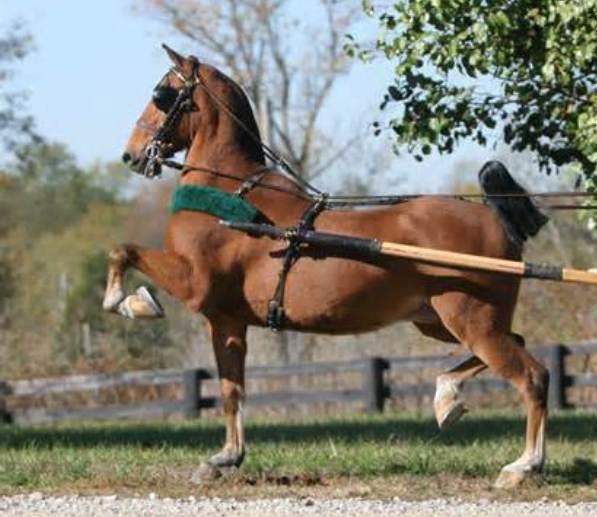
People usually search for “Hackney Pony” when they’re weighing up a pony for showing or driving, trying to decode that famous high action, or checking whether the breed suits a child, a new home, or a particular discipline. The details matter: height limits can decide which class a pony is eligible for, and temperament and management needs can shape day-to-day safety.
Below is a clear, grounded guide to the Hackney Pony—where it came from, what it tends to look and move like, what it’s commonly used for, and the practical care points that keep these active ponies sound and comfortable.
Hackney Pony at a glance
- Typical height: commonly around 12.2–14 hands at maturity (breed standards vary by registry).1
- Build: compact, refined, with a showy outline and a naturally elevated way of going.1
- Coat colours: usually solid colours such as bay, chestnut and black; grey also occurs.2
- Known for: an animated, high-stepping trot (especially emphasised in show harness).1
- Common uses: show pony classes and driving; some are also produced under saddle depending on temperament, training and conformation.2
History and origin
The Hackney Pony sits within the wider Hackney story: a British carriage-horse tradition shaped by trotting road horses and selective breeding for style, stamina, and an eye-catching trot. The modern Hackney horse type was developed in the 18th century, influenced by the Norfolk trotter and Thoroughbred bloodlines.3
The pony version was developed later by breeding Hackney horses with ponies—most commonly Welsh ponies—aiming for the same animated action and quality in a smaller package suited to pony show and harness classes.2
In Australia, Hackney ponies and horses were among the British breeds that arrived during the 1800s, and their pedigrees have been recorded through the Australian Pony Stud Book Society (APSB), which maintains breed sections including Hackney Pony and Hackney Horse.4
Characteristics and physical appearance
A Hackney Pony is bred to look like a pony—fine, neat ears; a bright, alert eye; and a clean muzzle—while carrying the Hackney outline through the neck and body.1 The overall picture is compact and balanced, with enough substance to drive and enough refinement to show.
Height depends on registry rules and the purpose the pony is being bred for. As a practical guide, many breed standards place mature Hackney Ponies in the low-to-mid 12–14 hand range, with some systems dividing show classes by height.1
Movement: the signature “action”
The breed’s calling card is its trot: brisk, elevated and very active through the joints. In hand and in harness, straightness matters—faults such as dishing or crossing are treated seriously because they can be heritable and can also affect long-term soundness.1
It’s worth remembering that the most extreme action seen in some show rings is often the product of careful conditioning, presentation choices, and discipline-specific training, layered over natural ability. The baseline should still look like a sound pony moving freely through the back and stepping evenly.
Temperament: what they’re like to live with
Hackney Ponies are often described as alert, quick, and responsive. That can be a gift in the right hands—particularly for driving and show work—but it also means they do best with calm handling, consistent boundaries, and training that rewards relaxation as much as expression.1
For families, suitability depends far more on the individual pony than the breed label. Look for a pony that is steady to catch, comfortable with routine handling (feet, clipping, washing), and predictable when fresh or in new places.
Training and handling
Hackney Ponies tend to notice everything. Training goes best when it is short, consistent and quietly repetitive—more like laying railway sleepers than chasing fireworks. Aim for rhythm first, then accuracy, then expression.
Practical handling tips
- Prioritise leading manners early. A pony built to lift and “show” can learn to surge forward if it’s ever allowed to work through pressure.
- Reward softness. Teach the pony to lower the neck, breathe, and stand—skills that travel well into harness and under saddle.
- Build fitness gradually. The flashy trot can tempt people to overdo work too soon; tendons and feet appreciate patience.
- Keep the feet honest. Regular farrier care matters in any breed, but especially in ponies asked for elevated, repetitive action.
Uses and disciplines
Most Hackney Ponies are produced for the show ring and driving, where their elevated, energetic trot is a natural fit.2 Some also compete under saddle, depending on training and the individual’s way of going.
They can be enjoyable recreational ponies too, particularly for people who like a pony with presence and plenty of forward instinct—but they are not always the best match for someone wanting a quiet, unflappable “plod”.
Health and care
Hackney Ponies don’t come with a single, unique set of medical problems, but they do share the usual pony-shaped risks: weight gain, rich pasture, and the downstream issues that follow.
Diet and weight: preventing laminitis and obesity
Ponies are often efficient doers. On improved pasture, that efficiency can turn into excess condition, and obesity is a known risk factor for laminitis in susceptible horses and ponies.5 If your pony crests up, pads over the ribs, or gains weight “on air”, treat that as useful information, not a nuisance.
- Base diet: forage first (appropriate hay and controlled grazing).
- Use tools when needed: track condition score, restrict grazing, and consider a grazing muzzle for at-risk animals under veterinary guidance.5
Colic: know what it looks like
“Colic” simply means abdominal pain, and it can range from mild discomfort to a true emergency.6 Learn your pony’s normal appetite, manure output, and demeanour so you can spot change early.
Signs that can be seen with colic include repeated pawing, looking at the flank, rolling, sweating, reduced appetite, and reduced manure output.7 If you suspect colic, contact a veterinarian promptly.
Routine care essentials
- Teeth: regular dental checks help chewing efficiency and comfort.
- Worm control: follow a vet-advised program based on local risk and, ideally, faecal egg counts.
- Hooves: consistent farrier intervals to support soundness and symmetry.
- Turnout and exercise: steady, regular movement supports weight control and gut motility.
Breeding and genetics (plain-English version)
Hackney Ponies were developed by crossing Hackney horses with ponies, particularly Welsh, to produce a smaller animal with the same “Hackney” action and outline. In many systems, Hackney ponies and Hackney horses are recorded within the same broader studbook structure, even though they compete in different height-based categories.2
If you’re buying a youngster, ask to see how the parents move (not just how they look), and pay attention to limb straightness and basic hoof quality. Those fundamentals matter long after ribbons fade.
A note on “famous Hackney ponies” claims
Stories sometimes circulate online about specific 1800s “champion Hackney ponies” winning major races and jumping feats. Many of these claims are hard to verify and often muddle ponies with horses, or confuse different events and eras. If a name matters to you—because you’re researching bloodlines or writing show-history content—check it against a breed society record or a reputable historical source before repeating it.
References
- Hackney Horse Society (UK) – Breed Standard (Hackney Pony)
- Encyclopaedia Britannica – Hackney pony
- Encyclopaedia Britannica – Hackney horse
- Australian Pony Stud Book Society – The Society (history and breed recording)
- University of Minnesota Extension – Grazing horses prone to laminitis
- Merck Veterinary Manual (Professional) – Overview of colic in horses
- Merck Veterinary Manual (Horse Owner) – Introduction to digestive disorders of horses
- Rare Breeds Survival Trust – Hackney Horse and Pony
- Australian Pony Stud Book Society – The Breeds (Hackney Pony and Hackney Horse listings)

Veterinary Advisor, Veterinarian London Area, United Kingdom