
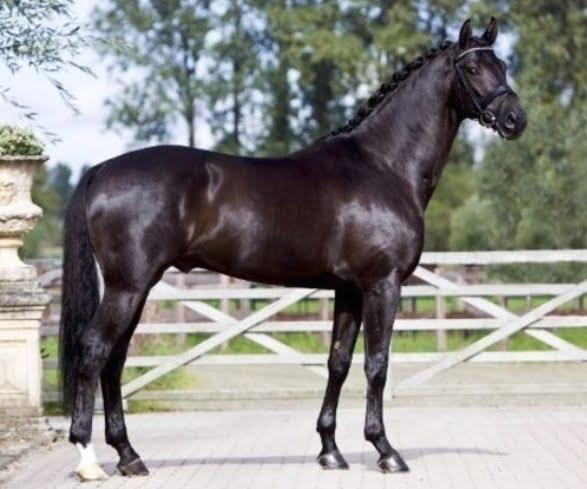
People usually start searching for Groningen and Gelderlander horses when they’re trying to identify a Dutch breed, check what a seller means by “Gelders” or “Groninger”, or decide whether a compact, versatile warmblood will suit their riding or driving plans. Names get blurred online, and that matters: breeding direction, movement style, size, and even health screening can look quite different once you’re dealing with real studbooks.
Below is a clear, breed-by-breed guide to Groningen and Gelderlander horses—what they are (and what they aren’t), what they’re typically like under saddle and in harness, and the everyday care points that keep big, good-doing horses sound for the long haul.
Quick profile: Groningen vs Gelderlander
- Groninger (Groningen horse): A traditional Dutch, heavier warmblood type from the province of Groningen; historically an agricultural and carriage horse, now often a steady “all-round” family horse under saddle and in driving.1, 2
- Gelderlander (Gelders horse): A Dutch warmblood type from Gelderland, developed as a stylish carriage horse that could also work on the farm, and now maintained within the KWPN as the “Gelder horse” breeding direction—valued for versatility and expressive movement.3, 4
Important correction: they are not a single “Groningen and Gelderlander” breed
The Groningen and the Gelderlander are distinct Dutch types with different histories and breeding pathways. They’re often mentioned together because both contributed to Dutch warmblood development, but they are not one combined breed, and they are not a simple “Friesian cross”.3, 4
History and origin
Groninger
The Groninger developed in the northern Netherlands as a practical, strong horse suited to farm work and carriage duties. Numbers declined sharply in the mid-20th century as many mares were absorbed into broader warmblood breeding, and modern breed organisations have worked to keep a recognisable Groninger type in circulation.2
The Dutch association Het Groninger Paard remains a central point of information and preservation for the breed today.1
Gelderlander (Gelders horse)
The Gelderlander was shaped in the province of Gelderland as a carriage horse with enough substance to work and enough quality to move well. In the Netherlands, Gelder horses are now maintained within the Royal Warmblood Studbook of the Netherlands (KWPN) as a defined breeding direction, with published selection standards describing the ideal type and movement.3, 4
Physical characteristics and movement
Groninger: what they tend to look and feel like
Groningers are generally substantial, with a workmanlike build and a calm presence. Under saddle, many are best described as steady and uncomplicated—horses that don’t need constant drilling to stay sensible, and often suit riders who value reliability over flash.2
Coat colours commonly seen include bay, black, chestnut, and grey, although colour rules depend on the registry and breeding program involved.2
Gelderlander: the KWPN “Gelder horse” type
Within the KWPN breeding direction, the Gelder horse is described as full-bodied yet elegant, with a well-developed forehand, substance, and distinct gaits powered from behind. The aim is a versatile horse: presentable in harness, capable under saddle, and known for a reliable temperament.3, 4
Gelder horses are often noted for expressive trot mechanics—an energetic front end without tipping into the extreme, show-only action seen in some specialised harness lines.3
Temperament: what “calm and willing” means in real life
Both types are commonly described as sensible and trainable. That doesn’t mean they’re automatically “beginner horses”—size, strength, and forward energy still matter—but many owners seek them out because they tend to cope well with varied work: arena sessions, trails, clinics, float travel, and the occasional change of routine.1, 3
Breeding, registration, and why the studbook matters
If you’re buying, breeding, or importing, it helps to separate everyday labels from formal registration:
- Gelderlander / Gelders horse: The KWPN publishes breeding directions and selection standards, and describes the Gelder horse as a distinct direction alongside dressage, jumping, and harness horses.4
- Groninger: Breed information and preservation efforts are commonly channelled through the Dutch association Het Groninger Paard and related registries.1, 2
When a seller says “Gelders type” or “Groninger type”, ask for the horse’s papers, the registry, and the breeding direction listed. Those details affect not only identity, but also selection for movement, suitability, and screening requirements.3, 4
Training and uses: where they often shine
Both Groningen and Gelder-type horses are commonly used across mixed disciplines, especially where strength and steadiness are an advantage:
- Driving: traditional fit for both types, particularly the Gelder horse direction, which is explicitly selected for versatility in harness and under saddle.3, 4
- Dressage and show riding: frequently seen at grassroots to advanced levels, depending on the individual’s movement and training.
- Jumping and low-level eventing: possible for many individuals, though they’re not bred as specialist jumpers in the way modern top-end jumping warmblood lines are.4
- Leisure and pleasure riding: a common modern niche, especially for riders who want a larger horse with an even mind.2
Health considerations (and what to watch for early)
Any large, good-doing horse benefits from plain, consistent management: suitable body condition, careful feeding, sound farriery, and early attention to gut and hoof changes. Two conditions that horse owners commonly want to understand—because the consequences can be serious—are laminitis and colic.
Laminitis risk
Laminitis is a painful, potentially life-changing disease of the hoof tissues. One practical takeaway is that “easy keepers” can drift into higher risk if pasture, concentrates, or body condition aren’t managed thoughtfully, especially during seasonal flushes of grass growth.5
Colic risk
Colic is a broad term for abdominal pain and can range from mild to life-threatening. Rapid changes in feed, limited water intake, stress, and parasite burdens can all play a part—so consistency matters, and sudden appetite or behaviour changes should be treated as a reason to call your vet sooner rather than later.6
Parasite control: avoid “calendar drenching” thinking
In Australia, resistance is an established issue for equine worming products. The APVMA requires resistance warnings and parasite management advice on horse anthelmintic labels, and recommends resistance testing before treatments are relied upon long-term.5
Preservation and conservation
Both types sit within a wider story: traditional European agricultural and carriage horses have needed active support as farming mechanised and sport breeding became more specialised. Breed organisations and studbooks remain central to keeping a consistent type, maintaining genetic diversity, and setting clear selection standards for the horses that represent the breed name.1, 3
About the Haflinger (and why it doesn’t “belong” in this article)
Haflingers are a separate breed, developed in the Tyrolean/South Tyrol region (Austria and northern Italy). They’re not a “related breed” in the sense of Groningen and Gelderlander development, and including them here usually creates confusion for buyers trying to verify Dutch warmblood types.7, 8
Differences and similarities at a glance
Similarities
- Both are Dutch-developed types with a long history in harness and practical work.
- Both are often valued for steadiness and versatility.
Key differences
- Registry pathway: Gelder horses are explicitly defined within KWPN breeding directions and selection standards; Groningen horses are maintained via breed associations and registries specific to the Groninger type.1, 3, 4
- Type and look: Groningen tends to be heavier and more “farm horse” in outline; Gelder tends to be full-bodied but more elegant, with distinct gaits and presence suited to both harness and saddle work.2, 3
Final thoughts
Groninger and Gelderlander horses sit close together on the map, but they’re not interchangeable labels. The easiest way to stay accurate is to follow the paperwork: registry, breeding direction, and selection standards. Once you know what the horse is on paper, you can judge what matters in the paddock—movement, soundness, temperament, and whether that calm, muscular build suits the job you have in mind.1, 3, 4
References
- Het Groninger Paard (Dutch Groninger horse association) – official site
- Groninger horse – breed overview
- KWPN – Selection standards for Gelder horses
- KWPN – Breeding program overview and breeding directions
- APVMA – Labelling requirements for horse anthelmintics (includes resistance warnings and management advice)
- Merck Veterinary Manual – Overview of colic in horses
- World Haflinger Breeding & Sports Federation – Haflinger history and breed recognition
- Haflinger.eu (South Tyrol) – Haflinger breed background and characteristics

Veterinary Advisor, Veterinarian London Area, United Kingdom