
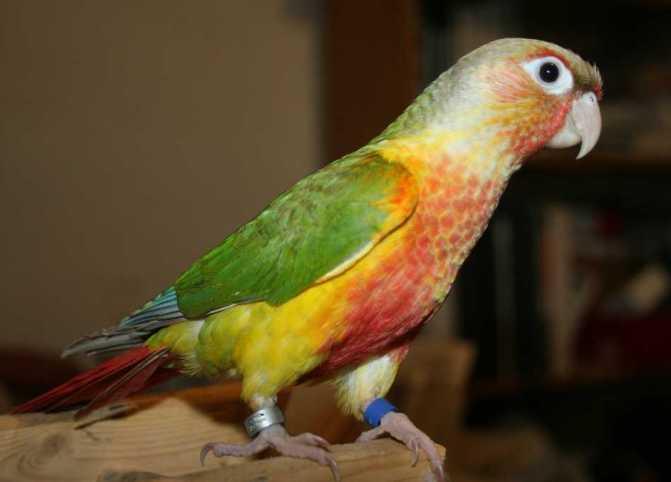
People usually start looking up green-cheeked conures when they’re weighing up a first parrot, checking whether the species suits a unit, or trying to make sense of conflicting care advice about diet, noise, and lifespan. Small mistakes matter with parrots: the wrong food or an undersized setup can quietly build into behaviour problems and long-term illness.
Green-cheeked conures (Pyrrhura molinae) are small South American parrots with busy minds and quick bodies. They can be affectionate and funny, but they’re still parrots—prone to screaming at certain times of day, chewing whatever they can reach, and unravelling if their routine is thin. The notes below focus on what’s most useful when you’re deciding whether to get one, and how to set up a steady life if you already have one.1
Green-cheeked conure at a glance (corrected)
- Adult size: about 25–28 cm (10–11 in)
- Weight: commonly around 60–80 g (varies by individual)
- Lifespan: often 20+ years with good care; some live 25–30 years (shorter lifespans are common where diet and husbandry are poor)
- Noise level: often quieter than many conures, but still capable of sharp, loud calls
- Sex differences: males and females look very similar; you can’t reliably sex by colour (DNA sexing or vet methods are used)
Note: the original draft listed “10–15 years” and “males have brighter feathers”. Those points are commonly repeated online, but they’re not reliable for this species.1, 2
What they’re like to live with
A green-cheeked conure tends to move like a little forest animal: climbing, hanging, hopping, and testing the edge of everything. Many enjoy gentle handling once trust is built, and most do best with daily interaction that’s predictable rather than intense and sporadic.1
They’re often described as “quieter” conures, but that doesn’t mean silent. Expect contact calls, excitement noises during play, and occasional alarm calling—especially at dawn and dusk, or when household patterns change.
Common behaviour issues (and what they usually signal)
- Nippiness: often linked to overstimulation, unclear boundaries, or hands moving too fast near the face.
- Screaming: can be reinforced accidentally (responding only when it yells) or triggered by boredom and thin enrichment.
- Feather damaging behaviour (plucking/chewing): can be medical, nutritional, environmental, or stress-related—treat it as a vet issue first, not “bad behaviour”.4
Housing: space, shape, and daily freedom
Cage size advice online often focuses on height, but parrots mostly travel side-to-side. Aim for the largest cage you can fit, with enough horizontal room for short flights and fast climbing. If the bird is confined for long periods, it needs safe out-of-cage time to move properly.6
Practical cage setup notes
- Go wider before taller, and avoid “skinny tower” cages that don’t allow natural movement.6
- Use mixed perch diameters (natural branches are helpful), and keep food/water away from obvious droppings zones.
- Build a chewing budget: provide safe chewable items and rotate them, because chewing is part of normal parrot life, not a phase.
- Predator-proofing matters: keep housing secure from dogs, cats, and wild visitors, and avoid placing the cage where the bird can be startled repeatedly.5
Diet: what “balanced” looks like for a small conure
Seed-heavy diets are a classic trap with pet parrots. They’re easy to feed, birds love them, and the deficiencies can take time to show. A formulated pelleted diet helps prevent selective eating and improves consistency, with fresh plant foods adding variety and enrichment.4, 7
A sensible everyday framework
- Pellets as the base of the diet (discuss brand and proportions with an avian vet for your individual bird).4
- Vegetables daily (think leafy greens, capsicum, carrot, broccoli, peas—variety matters).
- Fruit in smaller amounts (it’s useful and enjoyed, but sugary compared with veg).
- Seeds and nuts as treats, training rewards, or for foraging—not the main meal.3, 7
Feeding habits that quietly improve health
- Clean bowls properly rather than “topping up” (old food spoils, especially with fresh items).8
- Avoid cafeteria-style feeding where the bird can pick only favourites—parrots are good at choosing tasty, not balanced.8
- Use food as enrichment (foraging trays, paper parcels, hanging veg), not just nutrition.5, 9
Health: the problems owners most often miss early
Parrots hide illness. By the time a bird looks obviously unwell—sitting fluffed, not eating, tail bobbing with each breath—it can be urgent. Establish a relationship with an avian veterinarian early, even when your bird seems fine.4
Common health concerns linked to care
- Nutritional deficiency (including vitamin A problems on poor diets), which can affect skin, feather quality, and resistance to infection.3
- Respiratory disease, sometimes worsened by dusty environments, aerosols, fumes, and poor ventilation.
- Feather damaging behaviour, which can have medical causes and should be assessed properly rather than treated only with “more toys”.4
Training and socialising (without turning everything into a battle)
Green-cheeked conures usually respond best to calm repetition and small rewards. Keep sessions short, end on an easy win, and prioritise gentle handling skills (step-up, recall inside the home, accepting a towel) over party tricks.
Social exposure helps, but it needs to be controlled. New people, new rooms, and new objects should be introduced gradually so the bird can observe first, then approach by choice.
Breeding: better treated as a specialist project
Pet conures don’t need to breed to be healthy, and breeding adds risks: egg binding, chronic laying, aggression, and the reality of finding good homes for chicks. If breeding is on your mind, speak with an avian vet and an experienced, welfare-focused breeder before you set up a nest box or begin pairing plans.
Is a green-cheeked conure a good fit?
They suit households that can offer daily interaction, predictable routines, and an environment built for a chewing, climbing parrot. They’re often a better match than larger parrots for limited space, but they still need room, noise tolerance, and long-term commitment—measured in decades rather than years.1, 6
References
- Animal Diversity Web (University of Michigan) — Pyrrhura molinae (Green-cheeked parakeet) species account
- Northern Parrots — Green-cheeked Conure fact sheet (size, weight, sexing notes)
- Merck Veterinary Manual (Professional) — Nutrition in Psittacines
- University of Florida College of Veterinary Medicine — How to care for your pet bird (parrot nutrition and care)
- RSPCA Australia — How to help your pet bird have a good life
- RSPCA Knowledgebase — How should I house my bird?
- Association of Avian Veterinarians — Enrichment tip referencing balanced parrot diets (pellets, veg/fruit, limited nuts/seeds)
- Merck Veterinary Manual (Professional) — Overview of Nutrition (food hygiene and avoiding free-choice imbalance)
- EAMC (Australia) — A healthy diet for your pet bird

Veterinary Advisor, Veterinarian London Area, United Kingdom