
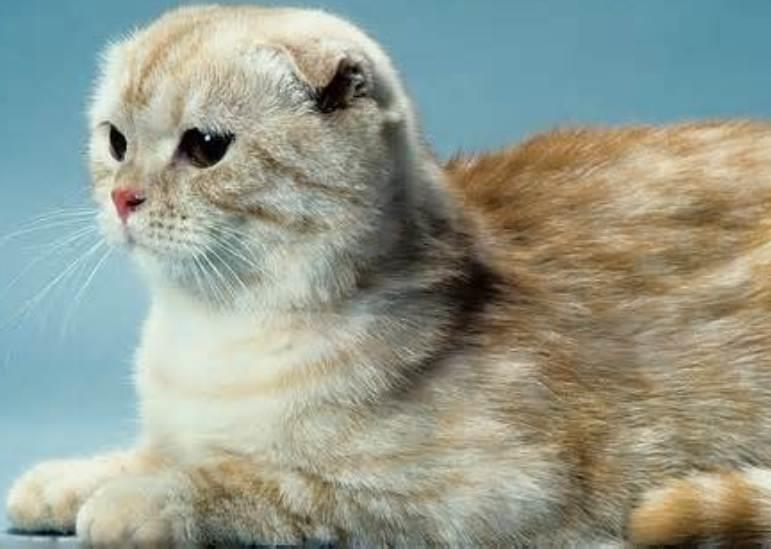
People usually look up Scottish Fold cats for one of two reasons: they’re considering buying a kitten, or they already live with one and want to understand what the folded ears mean for health and day-to-day care.
The key point is simple and easy to miss in cute photos: the fold is linked to a cartilage and bone disorder that can cause lifelong joint disease and pain, sometimes from a young age.1, 2, 3 What follows is a practical, plain-language guide to the breed’s origins, temperament, and the checks that matter most for welfare.
Scottish Fold at a glance
- Origin: Scotland (first recorded in 1961 from a farm cat named Susie)4
- Size: Medium; commonly around 3–4.5 kg (varies by sex and build)4
- Coat: Shorthair and longhair varieties; dense, plush coat4
- Colours: Many colours and patterns recognised in registries that accept the breed4
- Defining feature: Ears fold forward due to a genetic mutation affecting cartilage1, 2
- Temperament: Often described as gentle, people-oriented, and adaptable (individual personalities vary)4
- Main health concern: Osteochondrodysplasia (degenerative joint disease linked to the fold gene)1, 2, 3
History and origin
The breed traces back to a white farm cat in Scotland named Susie, first noticed in 1961 for her unusual ears. Breeding programs then concentrated the trait and shaped the round head and plush coat many people recognise today.4
Not all cat organisations accept Scottish Folds. In the UK, the GCCF does not recognise the breed, citing welfare concerns linked to the same gene that causes the folded ears.5
Appearance and unique traits
The folded ears (and what they really indicate)
Scottish Fold kittens are born with straight ears. If they carry the fold gene, the ears typically begin folding when they are a few weeks old.4
That same genetic change is associated with abnormal cartilage and bone development elsewhere in the body, which is why the ears are not just a cosmetic feature.1, 2
Coat and grooming basics
The coat is usually dense and plush. Most Folds do well with weekly brushing; longhaired cats often need more frequent combing to prevent knots and mats.4
Temperament and suitability as a family pet
Scottish Folds are widely described as calm, affectionate, and interested in being near their people. They often enjoy gentle play and routine, and many cope well with children and other pets when introductions are handled slowly and thoughtfully.4
A quiet cat, though, is not always a comfortable cat. Some welfare groups caution that “laid-back” behaviour in this breed may sometimes reflect reduced mobility or pain, so it’s worth watching movement and posture rather than relying on personality labels.6
Training and exercise
Most cats learn best through short, consistent sessions and rewards (food, play, attention). Scottish Folds are often described as responsive to this style of training, and many enjoy puzzle feeders and interactive games that don’t demand repeated high-impact jumping.4
If your cat is hesitant to jump, climb, or chase, treat it as information. A sudden drop in activity, stiffness, or reluctance to be handled can be an early hint that joints are sore.2, 3
Health and lifespan: what owners should know
Osteochondrodysplasia (joint disease linked to the fold gene)
The folded ears are linked to osteochondrodysplasia, a disorder of cartilage and bone that can lead to painful arthritis and deformities. Severity varies, but welfare and veterinary sources describe all folded-ear Scottish Folds as affected to some degree.1, 2, 3
Signs can appear early. Some cats develop obvious problems from around six months of age, while others progress more slowly and only show clear limitations later on.3
Do Scottish Folds get ear infections?
The ear shape can make it easier for wax and debris to sit deep in the fold, so regular checks are sensible. That said, not every authority agrees that Scottish Folds are inherently more infection-prone than other cats; what matters most is whether the ear canal is kept clean, dry, and free of irritation, and whether you get veterinary advice early when you notice redness, smell, discharge, or frequent head shaking.4, 6
How long do Scottish Folds live?
Lifespan varies with genetics, body condition, and access to veterinary care. Some registries and breed profiles describe a life expectancy in the low-to-mid teens, but joint disease can affect quality of life well before old age.4
Care and maintenance
Quick weekly check (practical and low-stress)
- Walk and jump: look for stiffness, “bunny-hopping,” or avoiding favourite spots.2, 3
- Tail and paws: don’t bend the tail; note if your cat resists gentle handling or seems uncomfortable.4
- Ears: check for debris, odour, redness, or frequent scratching and head shaking.6
- Body condition: keep weight steady; extra kilos mean extra load on painful joints (your vet can help you score body condition accurately).
Grooming routine
Brush weekly (more often for longhaired cats). Keep nail trims regular, especially if your cat moves less and wears claws down more slowly. Dental care matters too, but aim for habits your cat tolerates—small, steady routines beat occasional battles.
Diet and feeding
Choose a complete, balanced cat food suited to your cat’s life stage. The most useful nutrition goal for Scottish Folds is a lean, stable body condition, because unnecessary weight can worsen mobility and arthritis discomfort over time.2, 3
If you’re considering supplements for joints, discuss it with your vet first. Some products are helpful in some cats, but pain control and mobility plans work best when they’re personalised.
If you’re considering buying a Scottish Fold
Several animal welfare organisations advise against acquiring Scottish Fold cats because the defining trait is tied to painful disease and cannot be “bred out” without losing the fold itself.2, 3, 6
In Scotland, government guidance for licensed cat breeders states that breeding Scottish Fold cats would likely breach licence conditions intended to prevent breeding where genotype or conformation is expected to harm welfare.7
In Australia, breeding standards in Victoria include a minimum standard that cats with known physical or genetic defects that affect quality of life must not be used for breeding—one reason folded-ear breeding is treated as a welfare issue in practice.8
If you already have a Scottish Fold
Many Scottish Folds live loved, closely watched lives. The useful focus is comfort: recognise subtle pain, avoid forcing movement, and treat stiffness early rather than waiting for obvious lameness.
- Book regular vet checks, even if your cat seems “just quiet”.6
- Ask about pain relief trials if activity levels are low or declining (a common way to confirm hidden pain).6
- Desexing is strongly recommended by welfare organisations to prevent passing on the fold gene.6
Interesting tidbits (kept in perspective)
Scottish Folds are often reported to sit upright in odd, compact postures (sometimes called the “Buddha sit”). It’s a common observation, but posture can also change when joints are sore—so treat it as a quirk, not proof of comfort.4, 6
References
- UFAW (Universities Federation for Animal Welfare) – Scottish Fold: Osteochondrodysplasia
- Cats Protection – Scottish Fold cats (health and welfare advice)
- RSPCA Australia Knowledgebase – Animal welfare problems associated with Scottish Fold cats
- TICA (The International Cat Association) – Scottish Fold breed information
- GCCF (Governing Council of the Cat Fancy) – Welfare statement (Scottish Fold)
- Cats Protection – Extreme traits: cats with folded ears
- Scottish Government – Guidance for cat breeders (Animal Welfare Licensing Regulations 2021), Annex B
- Agriculture Victoria – Code of Practice for the Private Keeping of Cats (breeding minimum standards)

Veterinary Advisor, Veterinarian London Area, United Kingdom