
People usually start looking up Pembroke Welsh Corgis when they’re weighing up a new puppy, trying to make sense of breed “facts” they’ve seen online, or deciding whether a corgi’s cheerful, busy nature will fit their household.
It’s a small dog with a working-dog body and a surprisingly serious engine. Get the weight, training and back care wrong and the consequences can be lifelong. Get them right and you tend to end up with a sturdy little herder who’s content to trot beside you, shed on your socks, and keep watch on the world.
Quick profile: Pembroke Welsh Corgi
- Height: about 25–30 cm at the shoulder (10–12 in)1
- Typical weight: dogs 10–12 kg; bitches 9–11 kg (breed standard guide)1
- Coat: double coat, medium length, straight with dense undercoat1
- Colours: red, sable, fawn, black and tan, with or without white markings1
- Temperament (typical): alert, intelligent, people-focused; can be vocal and bossy if under-stimulated2
- Exercise needs: moderate daily exercise plus mental work (training, scent games, problem-solving)2
- Lifespan: often around the low-to-mid teens (individual variation is normal)2
What a Pembroke Welsh Corgi is (and isn’t)
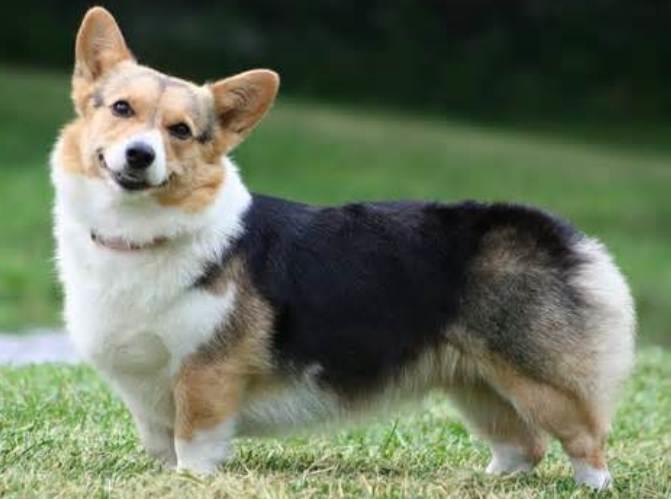
The Pembroke Welsh Corgi is a herding breed: long-backed, short-legged, quick on the turn, built to move cattle by darting in low and fast. That shape is part of the charm, but it also brings practical responsibilities around weight control, jumping, and spine care.
They’re often described as “big dogs in small bodies”. The better way to think of them is as working dogs in a compact frame: bright, watchful, and easily bored if life stays flat for too long.2
History and origin
Pembrokes developed in Wales as farm and cattle-herding dogs, valued for being low enough to avoid hooves and nimble enough to keep pressure on stock. Their outline—moderately long and low, with pricked ears and a fox-like head—still reads as a small pastoral worker, even when the day’s “job” is supervising the washing line.1
Physical characteristics
Build and movement
A correct Pembroke is not a toy dog. The breed standard describes a medium-sized, sturdy dog with short legs and a body that’s longer than it is tall, built for efficient, active movement rather than extreme heaviness.1
Coat and shedding
The coat is double, with a dense undercoat and a straight outer coat. Most households notice seasonal shedding (“blowing coat”), especially when the undercoat shifts with the weather. Regular brushing helps, but it won’t make a corgi a low-shed dog.1
Tail: natural bobtail, full tail, and docking (Australia)
You may see Pembrokes with short tails, long tails, or a naturally short (bob) tail. In Australia, cosmetic tail docking is banned nationwide; docking is only permitted for therapeutic reasons and generally must be performed by a veterinarian in the interests of the dog’s welfare.5, 6
Temperament and behaviour
Pembroke Welsh Corgis tend to be bright, responsive and tuned to movement. They often notice everything: footsteps in the hallway, birds on the fence, the neighbour’s car door two houses away. That alertness is part of their charm, and it’s also why many corgis bark if they haven’t been taught a calmer default behaviour.2
They usually do well with families when their routines include training, boundaries, and enough daily activity to take the edge off that working-dog energy.
Children and other pets
Many Pembrokes live happily with children and other animals, especially when they’re socialised early and supervised thoughtfully. Herding behaviour can show up as chasing, circling, or heel-nipping, particularly with running kids—behaviour to redirect early, before it becomes a habit.
Training and exercise needs
Start early, keep it practical
Training suits them. They’re quick to connect patterns, quick to repeat what works, and quick to invent their own games if the humans are inconsistent. Reward-based training, short sessions, and clear household rules tend to produce a calm, reliable adult.
Early socialisation matters. Puppies benefit from safe exposure to surfaces, sounds, friendly dogs, visitors, grooming, car trips, and being alone for short stretches so independence doesn’t become a shock later.
Daily exercise: what “moderate” looks like
Most Pembrokes do well with a daily walk (or two shorter ones), plus some off-lead play where safe and legal, and a small serving of brain work—food puzzles, scent games, basic obedience, trick training, or low-impact agility foundations.2
The aim isn’t to exhaust them. It’s to let them use their body and mind in a steady, predictable way.
Health considerations and lifespan
Pembrokes are often robust, but their shape and genetics mean there are a few issues worth understanding before you buy a puppy—or before you let an adult corgi get heavier than they should.
Back and spine: IVDD risk in short-legged breeds
Pembrokes are among breeds with a body shape associated with chondrodystrophy, and that shape is linked with a higher risk of intervertebral disc disease (IVDD). Discs can degenerate earlier in life, and a disc rupture can cause pain, weakness, or paralysis.7
Practical prevention isn’t perfect, but it helps: keep them lean, build muscle with regular low-impact activity, and reduce repetitive high jumps off furniture and out of cars (use ramps or steps where sensible).
Hip dysplasia and other inherited problems
Hip dysplasia occurs across many breeds. Reputable breeders screen breeding dogs and keep records to reduce risk over time. If you’re buying a puppy, ask what health screening has been done and request documentation rather than reassurance.8
Weight is a health issue, not a cosmetic one
Corgis are famously good at gaining weight. Extra kilos load the joints and can make back problems more likely, while also reducing day-to-day comfort and mobility. RSPCA guidance emphasises portion control, daily exercise, and checking body condition regularly (not just the number on the scales).3, 4
Grooming and maintenance
A weekly brush is a realistic baseline for many households, with more frequent brushing during heavy shedding. Use grooming as quiet handling practice: paws, ears, mouth, and nails, done gently and often enough that it doesn’t become a wrestling match.
Bathing is occasional. Over-bathing can dry the skin and strip natural oils; a good brush usually does more than a frequent shampoo.
Diet and nutrition
A corgi’s diet doesn’t need to be complicated, but it does need to be measured. Choose a complete and balanced food appropriate for life stage, use your vet to confirm target weight, and feed to body condition rather than appetite.
Two practical habits make a difference:
- Measure meals (cups can drift; scales are better).
- Spend the treat budget on tiny, low-calorie rewards, or use part of the day’s kibble ration for training.3, 4
Fun facts (kept honest)
- Natural bobtails do occur. Some Pembrokes are born with naturally short tails, and breed standards acknowledge natural bobtails.1
- The “sploot” is just a posture. Many dogs sprawl flat with legs stretched behind; in corgis it’s simply more noticeable because of their build.
- They’ve had royal visibility. Queen Elizabeth II’s long association with corgis helped keep the breed in the public eye for decades.
Final thoughts
A Pembroke Welsh Corgi is at its best when it’s living like a small working dog: moving daily, learning constantly, and kept lean enough to stay springy. They fit beautifully into many homes, but they do ask for structure—especially around barking, manners with children, and weight control.
If you’re choosing a puppy, prioritise temperament, health screening, and a breeder who’s open with paperwork and unbothered by your questions. A well-bred, well-managed corgi tends to age with quiet sturdiness, still alert to the smallest change in the wind.
References
- Dogs NSW (ANKC) – Welsh Corgi (Pembroke) breed standard
- Hill’s Pet Nutrition – Pembroke Welsh Corgi breed information (size, care, temperament)
- RSPCA Australia – 4 ways to avoid obesity in your dog
- RSPCA Knowledgebase – How do I tell if my dog is overweight?
- RSPCA Knowledgebase – Why do some dogs still have docked tails?
- Business Queensland – Queensland’s ban on docking dogs’ tails
- Cornell University College of Veterinary Medicine – Chondrodystrophy and IVDD
- Orthopedic Foundation for Animals (OFA) – About and mission (hip dysplasia screening context)

Veterinary Advisor, Veterinarian London Area, United Kingdom