
Most people end up here after a small, worrying change: a cat that’s off its food, scratching more than usual, putting on weight, or hiding when it normally wouldn’t. Cats can look perfectly fine right up until they aren’t, and the cost of “wait and see” is sometimes paid in pain, emergency visits, or problems that quietly become permanent.
Good cat health care is mostly steady, ordinary habits—food that meets feline needs, parasite control, dental checks, and a home that lets a hunter’s body and brain stay busy. The notes below focus on what matters, what to watch for, and when to ring the vet.
Understanding feline health
Common health issues in cats
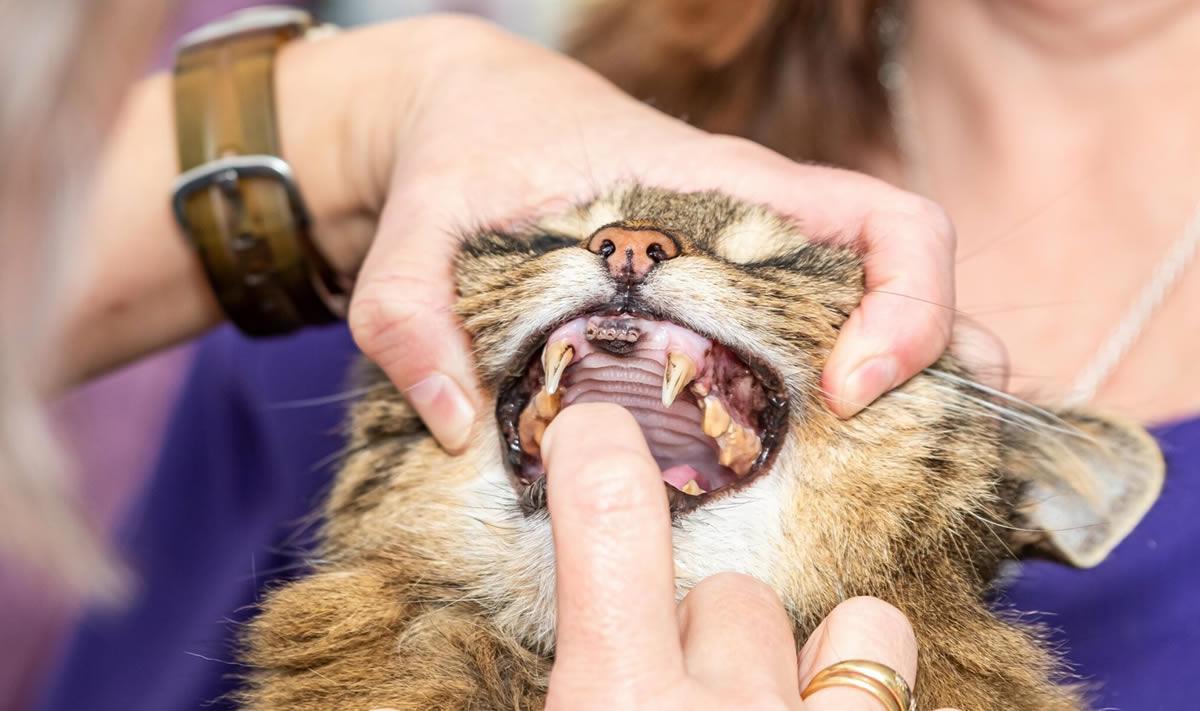
Cats tend to collect the same handful of problems across their lifetime: dental disease, excess weight, and parasites are near the top of the list. Dental disease can make eating painful and may lead to chronic inflammation and infection. Obesity increases the risk of issues like diabetes and arthritis. Fleas and intestinal worms can trigger itch, gut upset, anaemia, and skin infections—especially when prevention lapses.
Why regular veterinary check-ups matter
A cat’s normal can be deceptively quiet. Routine vet visits are where subtle changes are spotted early—weight creep, gum inflammation, early kidney strain, murmurs, lumps, sore joints. Vaccinations are often done at the same time, but the broader value is the full-body exam and a chance to adjust diet, parasite protection, and dental care before trouble settles in.2
Nutrition and diet
What cats actually need from food
Cats are strict carnivores with specific nutrient requirements that don’t look much like a dog’s, or ours. Taurine is a standout: it’s essential, must come from the diet, and deficiency can cause serious heart and eye disease.6, 7
Well-formulated commercial diets are typically the simplest way to meet those requirements consistently. If you’re considering homemade or raw feeding, it’s worth treating it like a recipe for a living animal rather than a vibe—work with a vet and use a properly formulated plan.
Feeding patterns that suit most cats
Many adult cats do well with measured meals, often split into two or more feeds across the day. The detail that matters most is portion control and body condition: a cat should feel lightly padded over the ribs, not buried under softness. If weight is creeping up, reduce calories gradually and add play rather than relying on “light” treats.
Foods to avoid (and why)
Some everyday human foods can harm cats, even in small amounts. Avoid offering (or leaving within reach):
- Chocolate and caffeine (methylxanthines can affect the heart and nervous system)
- Onion, garlic, chives and leeks (can damage red blood cells and cause anaemia)
- Grapes, raisins, sultanas and currants (can cause kidney failure in some animals)
- Cooked bones (can splinter and injure or obstruct the gut)
If your cat gets into any of these, contact your vet for advice straight away.8
Preventative health care for cats
Vaccinations: what “core” usually means
In Australia, core cat vaccines commonly protect against feline panleukopenia (parvovirus) and the cat flu viruses (feline herpesvirus and calicivirus)—often grouped as an “F3” vaccine.1, 2
Schedules vary with product and risk, but a typical pattern is:
- Kittens: a course of vaccinations starting around 6–8 weeks, then boosters every 3–4 weeks until at least 16 weeks (sometimes to 20 weeks, depending on risk and vet advice).3, 4
- Adults: a booster about 12 months after the kitten course, then boosters at intervals guided by risk and vaccine duration of immunity (often 1–3 years for core vaccines).2, 3
Non-core vaccines (such as FeLV) depend on lifestyle and exposure risk—multi-cat households, roaming outdoors, or contact with unknown cats can change the calculation.
Parasite prevention
Fleas, intestinal worms, and (in some areas) ticks are part of the background noise of cat life. Prevention is usually easier and kinder than treatment after the fact. Use a vet-recommended product and keep it regular—many “mystery itches” are simply gaps in flea control.
Dental care (often the quiet problem)
Dental disease is common in cats and can progress with little outward drama. Bad breath, dropping food, chewing on one side, pawing at the mouth, and irritability can all be hints. Home brushing helps when a cat will tolerate it, but many still need professional dental assessment and cleaning at intervals that match their mouth, not the calendar.
Exercise and mental stimulation
Why movement matters
A cat’s body is built for bursts—stalk, pounce, climb, carry. Without that, muscle fades and weight rises, and boredom can show up as over-grooming, midnight zoomies, or furniture “redecorating”.
Simple enrichment that works
- Short play sessions (2–5 minutes) spaced through the day—wand toys, small tossed toys, chasing games.
- Vertical space—a stable cat tree, shelves, or window perches for climbing and surveying.
- Puzzle feeders to slow eating and give the brain something to do.
- Rotation—put toys away and reintroduce them later; novelty matters.
If your cat goes outdoors, consider a secure cat run or supervised harness time rather than free roaming, which carries risks from traffic, dogs, toxins, and fights.
Grooming and hygiene
Coat care
Most cats do a solid job of self-grooming, but brushing helps reduce matting and hairballs and lets you notice changes—new lumps, scabs, dandruff, or a coat that’s suddenly greasy or dull. Long-haired cats often need frequent brushing to prevent painful mats.
Nails, ears, and eyes
Trim nails when they start catching on fabric or clicking on hard floors. Check ears for odour, heavy wax, redness, or discharge, and eyes for squinting or persistent ooze. Cleaning is fine when it’s gentle and minimal; recurring problems are vet territory.
Recognising signs of illness in cats
Common early warning signs
Cats often reduce activity and appetite before they show anything dramatic. Keep an eye out for:
- Eating less, eating differently, or dropping food
- Weight loss or weight gain
- Vomiting more than occasionally, diarrhoea, constipation, or straining
- Changes in drinking or urination (especially drinking more)
- Hiding, reduced grooming, or sudden aggression when handled
- Coughing, sneezing, noisy breathing, or open-mouth breathing
When to seek veterinary care
Ring your vet promptly if your cat hasn’t eaten for a day, is repeatedly vomiting, seems painful, is breathing with effort, has sudden weakness, or is straining in the litter tray (especially males, where urinary blockage can be life-threatening). If you’re unsure, describe what you’re seeing and ask—triage over the phone is part of good care.
Senior cat care
How ageing changes the picture
As cats age, the problems shift from “things that hitch a ride” (like fleas and worms) to gradual wear and tear—kidney disease, dental disease, arthritis, high blood pressure, thyroid disease, and cancer. Chronic kidney disease, in particular, becomes much more common in older cats, and early detection can make management gentler and more effective.9
Diet and activity for older cats
Some older cats need more calories to maintain condition; others need fewer. The right approach depends on weight trend, muscle tone, hydration, and any diagnosed disease. Keep movement low-impact but regular—small daily play, accessible steps to favourite perches, warm bedding, and litter trays with easy entry.
Health screenings and check-ups
Senior cats benefit from more frequent check-ups than young adults. Your vet may recommend blood and urine tests, blood pressure checks, and dental assessment, tailored to what your cat is already showing you (and what it’s quietly not showing).
Fun facts and trivia
Small observations from a cat’s design
Cats can rotate their ears to help localise sound, and their bodies are tuned for brief, efficient bursts of hunting behaviour rather than long-distance stamina.
Kneading is a common behaviour in relaxed cats and may persist from kittenhood. It’s not a guarantee of mood, but it’s often seen during settling and resting.
A famous cat in Australian history: Trim
Trim travelled with explorer Matthew Flinders and became part of Australia’s maritime folklore, remembered in writing and in statue form.
Final thoughts
Cat health care is mostly quiet maintenance: the right food, steady parasite control, vaccination where appropriate, teeth kept under watch, and a home that invites climbing and play. The pay-off is subtle too—a cat that moves freely, eats with appetite, sleeps deeply, and stays present in the household routine.
References
- RSPCA Pet Insurance Australia — Vaccinations for your pet (core and non-core cat vaccines; F3)
- RSPCA Australia Knowledgebase — What vaccinations should my cat receive?
- RSPCA Australia — What you need to know about pet vaccinations
- WSAVA Vaccination Guidelines Group — Guidelines for the Vaccination of Dogs and Cats (feline vaccination table)
- AAHA/AAFP — Core vaccines for pet cats (feline vaccination guidance)
- ISFM Consensus Guidelines (Journal of Feline Medicine and Surgery; via PMC) — Notes on essential nutrients for cats (includes taurine)
- Merck Veterinary Manual — Taurine deficiency in cats
- Agriculture Victoria — Human foods to avoid for cats
- International Cat Care (iCatCare) — Chronic kidney disease in cats

Veterinary Advisor, Veterinarian London Area, United Kingdom