
Most fish-tank problems start the same way: the water looks “fine”, the fish look a little off, and then things slide quickly—cloudiness, algae, odd breathing, unexplained deaths. In a closed glass box, small changes in waste, temperature, or filtration can swing water chemistry faster than people expect.
Good maintenance is less about scrubbing and more about keeping the nitrogen cycle steady, spotting drift early, and avoiding the handful of mistakes that quietly wipe out beneficial bacteria. Done well, the tank settles into a calm rhythm—clear water, reliable equipment, and fish that behave normally.1, 2
Set-up choices that make maintenance easier
Tank size and placement
Bigger volumes of water change more slowly. That’s why a larger aquarium is usually more forgiving than a small one, especially in Australian summers when rooms can heat up quickly.2
- Keep the tank out of direct sun to limit temperature swings and nuisance algae.
- Use a level, sturdy stand rated for the tank’s full weight (water, gravel, rocks).
- Choose a spot where you can comfortably do water changes—maintenance you avoid doesn’t happen.
Filtration, heating, and the “quiet essentials”
A healthy aquarium relies on biological filtration: bacteria that convert toxic ammonia into nitrite, then nitrate.1 Choose a filter that suits the tank volume and stocking level, and run it continuously.
For tropical species, a submersible aquarium heater is the most reliable way to maintain a stable temperature.2 Stability matters more than chasing a “perfect” number.
Cycling: let the bacteria move in first
A new aquarium needs time to build a working biofilter. During this cycling period, ammonia and nitrite can rise to dangerous levels until the nitrifying bacteria establish—often around 4–6 weeks in a typical freshwater tank.1
When the tank is properly cycled, ammonia and nitrite read zero, and nitrate becomes the main end product you manage with water changes and plants.1
A simple weekly maintenance routine
Weekly: partial water change + substrate clean
A steady routine beats occasional “deep cleans”. For many freshwater community tanks, changing about 10–25% weekly (with a light gravel vac) is a sound baseline, adjusted for stocking and feeding.1, 2
Step-by-step: a safe water change
- Wash and rinse your hands well. Avoid soaps, sprays, and moisturisers near the tank.
- Switch off the heater and filter at the power point.
- Siphon out 10–25% of the water into a dedicated aquarium bucket, using the siphon to vacuum debris from the substrate.
- Wipe the inside glass with an aquarium-safe sponge or magnetic cleaner (no detergents).1
- Refill with tap water matched as closely as you can to tank temperature.
- Use a water conditioner that neutralises chlorine and chloramine, following the label directions.1, 2
- Turn the filter back on, then the heater once it’s fully submerged again.
What not to do during cleaning
- Don’t “sterilise” the tank. The goal is to remove waste, not remove all microbes.
- Don’t start siphons by mouth. Use the siphon’s priming method to avoid illness.1
- Don’t change too much water at once unless there’s an emergency (for example, an ammonia spike).
Water quality: the readings that matter
The core parameters to monitor
For most freshwater aquariums, keep a close eye on:
- Ammonia (aim for zero; any measurable ammonia is a warning sign).3
- Nitrite (aim for zero).1
- Nitrate (keep it low with water changes and plants; many guides suggest keeping it under about 50 ppm for typical tropical community tanks).2
- Temperature and pH (stability matters; pH and temperature also affect ammonia toxicity).1, 3
How often to test
- New tanks / cycling: test every 2–3 days for the first few weeks, especially ammonia and nitrite.1, 2
- Established tanks: every 1–2 weeks is often enough, and any time fish behaviour changes or you add stock.1
Common water problems and the usual causes
- Cloudy water: often a sign of overfeeding, too much waste, or an immature biofilter. Reduce feeding and keep up regular water changes.1, 3
- Sudden algae bloom: usually too much light and excess nutrients. Reduce light duration, avoid direct sun, and remove waste consistently.
- Ammonia detected: treat it as urgent. Stop or reduce feeding briefly and consider a larger water change (around 25–50%) while you check filtration and stocking.3
Filter and equipment care (without crashing the cycle)
Cleaning filter media the safe way
Most of your beneficial bacteria live in and on the filter media. If you rinse media under the tap, chlorine/chloramine can wipe out those bacteria and trigger ammonia and nitrite spikes.1
- Rinse sponges and biological media in a bucket of removed tank water.
- Clean only what needs cleaning; avoid replacing all media at once.
- If flow drops noticeably, that’s usually the cue to rinse mechanical media.
Quick weekly checks
- Filter: steady flow, no unusual rattling, intake not blocked.
- Heater: stable temperature reading; fish not gasping at the surface (which can also indicate low oxygen).
- Air stone / surface movement: enough ripple to keep oxygen exchange happening, especially in warmer weather.1
Feeding: small, regular, and observed
Overfeeding is one of the fastest ways to foul water. Uneaten food breaks down into ammonia, and the biofilter can only process so much, so quickly.1, 3
- Feed once or twice a day for most community fish, offering only what they finish within a few minutes.
- Use foods suited to where your fish feed (floating, slow-sinking, bottom).
- If you’re fighting water-quality issues, reduce feeding for a couple of days while you stabilise the tank.3
Health monitoring and disease prevention
What to watch for
Spend a minute each day looking for changes: clamped fins, rapid gill movement, rubbing against objects, hiding more than usual, new white spots, frayed fins, or sudden loss of appetite. These signs are often linked to water quality first, disease second.1
Quarantine new fish (and why it helps)
Quarantine reduces the chance of introducing parasites and infections to an established tank. Veterinary references commonly recommend a dedicated quarantine tank and a quarantine period of at least 30 days (often 30–60 days for valuable fish).4, 5
- Use separate nets, siphons, and buckets for the quarantine tank.
- Observe closely and test water frequently; small quarantine tanks can swing fast.
When you need extra help
If fish are dying, multiple fish show symptoms, or you can’t get ammonia/nitrite back to zero, it’s time to speak with an experienced aquatic veterinarian or a knowledgeable aquarium professional. Bring your latest test results and details of any treatments used.
Aquascaping and decorations (safe, stable, and easy to clean)
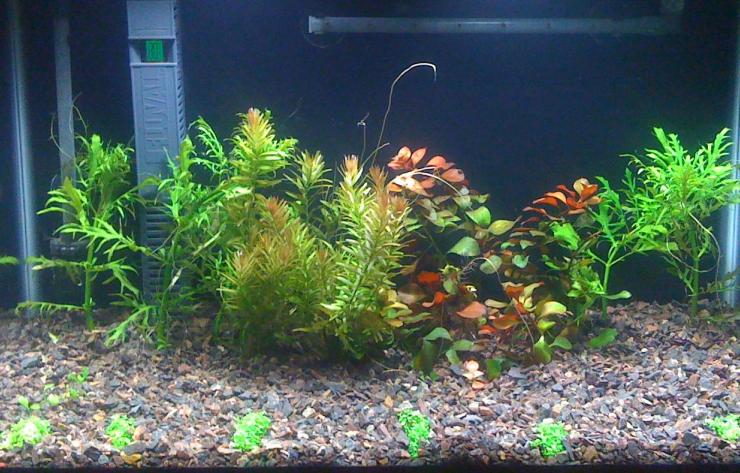
Plants, driftwood, and rockwork create shelter and break up sightlines, which can reduce stress and aggression in many species. Live plants can also use nitrate, helping with long-term nutrient control.1
- Choose aquarium-safe materials with no sharp edges.
- Leave open swimming space and avoid packing décor so tightly that waste collects where you can’t siphon it.
- Stabilise rocks and wood so they can’t shift during cleaning.
Seasonal and holiday considerations in Australia
Heat, evaporation, and oxygen in summer
Warm water holds less dissolved oxygen, and higher temperatures can make ammonia more toxic. In hot weather, keep an eye on temperature, surface agitation, and test results.1, 3
- Top up evaporation losses with dechlorinated water (topping up doesn’t replace the need for water changes).
- Consider reducing light duration if algae accelerates.
- Check the heater hasn’t become unnecessary or is overshooting in a warm room.
Before you leave on holiday
- Do a normal water change and filter check a day or two before you go.
- Avoid adding new fish right before travel (quarantine and observation need time).
- If someone else is feeding, pre-portion food so “a little extra” doesn’t become a water-quality crash.
Final thoughts
A fish tank stays healthy when the basics stay steady: a mature biofilter, modest feeding, regular partial water changes, and equipment that keeps running quietly in the background. Most fixes are small and early—adjust feeding, restore flow, change some water, and let the system settle back into balance.1, 3
References
- RSPCA Knowledgebase (Australia): Why is water quality important when setting up a fish aquarium?
- RSPCA Knowledgebase (Australia): How should I care for my tropical fish?
- University of Florida IFAS Extension: Ammonia in Aquatic Systems (FA16/FA031)
- Merck Veterinary Manual: Management of Aquarium Fish (Quarantine and Biosecurity)
- Merck Veterinary Manual: Routine Health Care of Fish (Quarantine)
- Australian Government Department of Agriculture, Fisheries and Forestry (DAFF): How you can protect Australia’s aquatic animal health
- RSPCA NSW: Caring for fish
- Merck Veterinary Manual: Providing a Home for Fish (Adding Fish and monitoring water quality)

Veterinary Advisor, Veterinarian London Area, United Kingdom